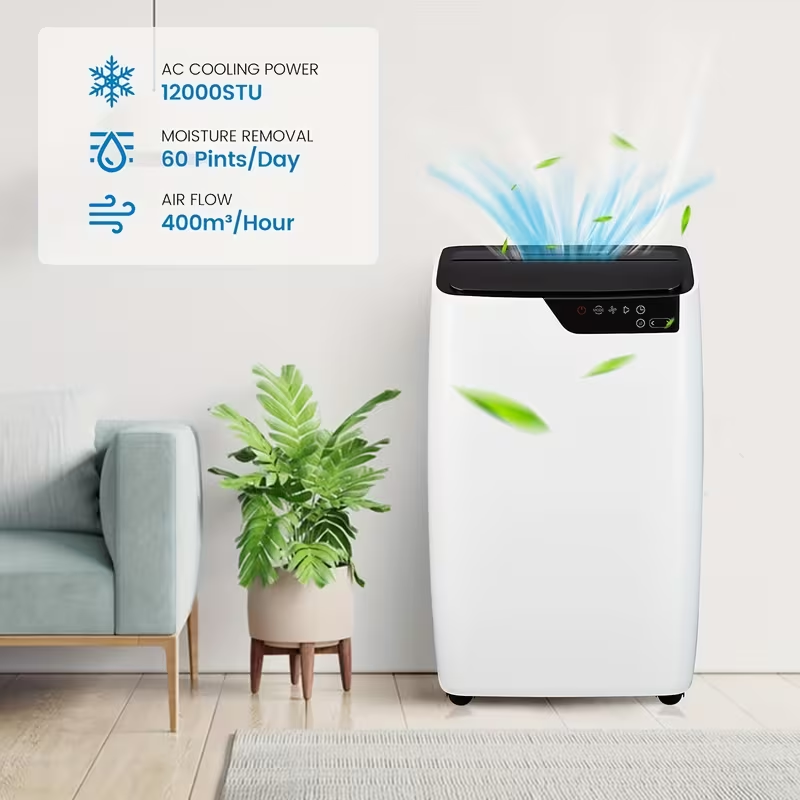
Introduction to Portable Air Conditioners
Portable air conditioners have gained significant traction in recent years due to their convenience and flexibility. These units are designed to provide effective cooling without the need for permanent installations, making them an excellent choice for a wide array of users, particularly renters and individuals residing in smaller living spaces. Unlike traditional systems that require extensive ductwork, portable air conditioners can be easily moved from one room to another, giving users the freedom to enjoy a comfortable environment wherever it is needed.
The versatility of portable air conditioners allows them to serve a variety of settings. They are ideal for home offices, bedrooms, living areas, and even temporary locations such as tents during outdoor gatherings. Many models come with features like programmable timers, remote controls, and multiple fan speeds, which enable users to tailor their cooling experience to their specific needs. Furthermore, these air conditioning units often have the added benefit of functioning as dehumidifiers, helping to reduce excess moisture in the air during humid months.
As climate control becomes increasingly essential, the demand for portable air conditioners continues to rise. These units are particularly appealing due to their straightforward setup process. Most require minimal assembly and plug directly into standard electrical outlets, ensuring that even those who are not particularly handy can have a cooler indoor space within minutes. The mobility offered by portable air conditioning also means that they can easily adapt to lifestyle changes, whether moving to a new home or simply transitioning from room to room in the same residence.
Understanding the Mechanism of Portable Air Conditioners
Portable air conditioners operate through a cycle of cooling that involves several key components: the compressor, condenser, evaporator, and fan. These units are designed to create a comfortable indoor environment by efficiently drawing in warm air, cooling it, and then redistributing it while simultaneously expelling the heated air outside.
Initially, the portable air conditioner draws in the warm air from the surrounding room. This warm air is then passed over the evaporator coil, which is filled with refrigerant. The refrigerant absorbs the heat from the air, effectively lowering its temperature. This process transforms the refrigerant from liquid to gas as it absorbs the heat. The cooled air is then circulated back into the room, enhancing indoor comfort.
Once the refrigerant has absorbed sufficient heat, it moves to the compressor. The compressor plays a vital role in increasing the pressure of the gas, causing it to become hot and high-pressure. Following this, the gas flows into the condenser coils, where it releases the absorbed heat into the outside air, thanks to a built-in fan that helps dissipate this excess warmth.
One crucial aspect of portable air conditioners is their ability to manage moisture and humidity. As warm air is cooled, moisture condenses and collects within the unit. This dehumidification process not only enhances comfort levels but also contributes to improved indoor air quality by reducing the amount of humidity in the environment. Many portable units come with options for continuous drainage or a built-in reservoir to manage and expel the accumulated water effectively.
In summary, portable air conditioners utilize a systematic approach to cooling through the coordination of various components. They not only provide temperature control but also assist in maintaining a comfortable humidity level, thereby promoting a healthier living space.
Benefits of Using Portable Air Conditioners
Portable air conditioners are an increasingly popular choice for individuals seeking flexible and efficient cooling solutions. One of the primary advantages of these units is their adaptability to various room sizes. Unlike traditional air conditioning systems, which often require fixed installations and extensive ductwork, portable air conditioners can easily be moved from one room to another. This feature allows homeowners and renters alike to achieve optimal comfort regardless of changing circumstances or preferences.
The ease of installation is another significant benefit of portable air conditioners. Typically, the setup process involves placing the unit in a window, using a venting kit to direct hot air outside, and plugging it into a standard electrical outlet. This simplicity makes them ideal for people living in apartments, dormitories, or any compact spaces where extensive HVAC modifications may not be feasible or permitted. It eliminates the need for professional installation, thereby saving both time and money.
On the energy efficiency front, portable air conditioners prove advantageous when compared to their traditional counterparts. These units often consume less energy because they are designed to cool smaller spaces effectively. Their ability to target specific areas allows users to avoid wasting energy on cooling unoccupied rooms, contributing to lower utility bills. Many modern portable air conditioners are equipped with energy-saving features such as programmable timers and energy-saving modes, further enhancing their efficiency.
In summary, the flexibility, ease of installation, and energy efficiency offered by portable air conditioners make them an appealing cooling option for various living situations. Their ability to provide effective climate control in apartments and compact spaces without the need for permanent installations has solidified their status as a convenient alternative to traditional air conditioning systems.
Product Review: the Portable Air Conditioner, 3in 1 Standing Cooling AC Unit
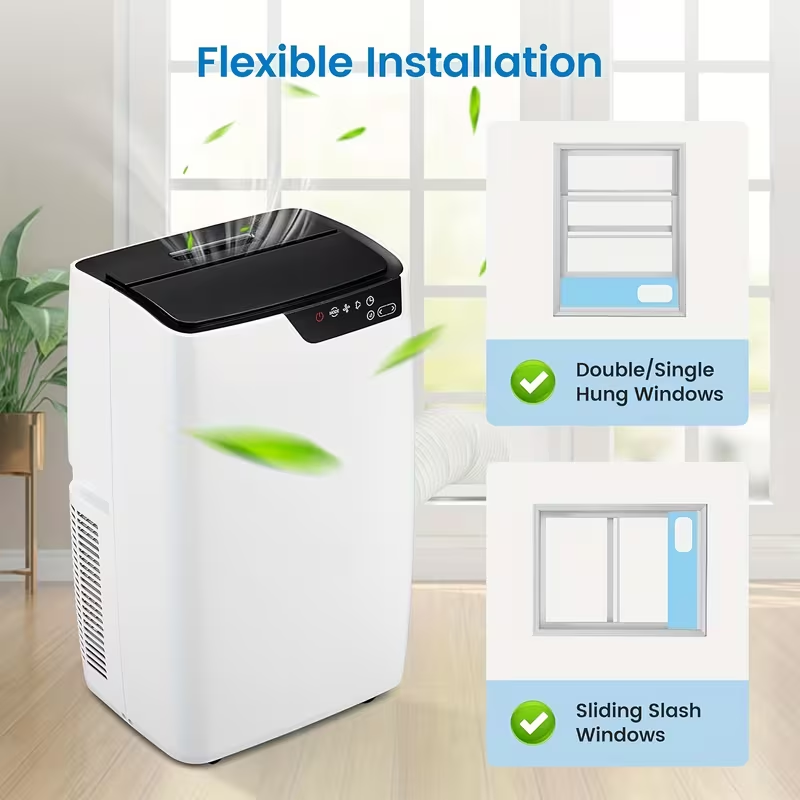
The Portable 3-in-1 Standing Cooling AC Unit stands out in the realm of climate control appliances, offering versatility and efficiency to users seeking a reliable cooling solution. This model integrates three essential functions: air conditioning, dehumidification, and fan capabilities, making it an all-in-one unit that caters to various needs.
When it comes to cooling performance, this portable air conditioner excels with its powerful compressor and efficient cooling technology. It can effectively lower the temperature in spaces up to 300 square feet, making it an ideal choice for medium-sized living areas, bedrooms, or home offices. Users can also enjoy adjustable cooling settings, providing the flexibility to maintain their preferred climate during hot summer months.
In addition to air conditioning, the unit features a dehumidifier function that effectively removes excess moisture from the air. This functionality proves advantageous in humid environments, preventing mold growth and enhancing indoor air quality. When operating in fan mode, the unit circulates air throughout spaces, offering a refreshing breeze without the cooling capability, ideal for transitional weather conditions.
Design plays a crucial role in the appeal of this portable AC unit. Its compact size and integrated wheels allow for effortless movement from room to room. The sleek, modern design ensures it can seamlessly blend into any decor without being an eyesore. Moreover, the intuitive control panel and remote control enable easy operation, allowing users to adjust settings from a distance.
In conclusion, the Portable 3-in-1 Standing Cooling AC Unit is a robust choice for individuals seeking flexible temperature management. Its ability to cool, dehumidify, and circulate air, combined with portability and user-friendly design, makes it suitable for various settings and optimizes comfort in any indoor environment.
Advanced Portable Air Conditioner with Dehumidifier and Fan Mode
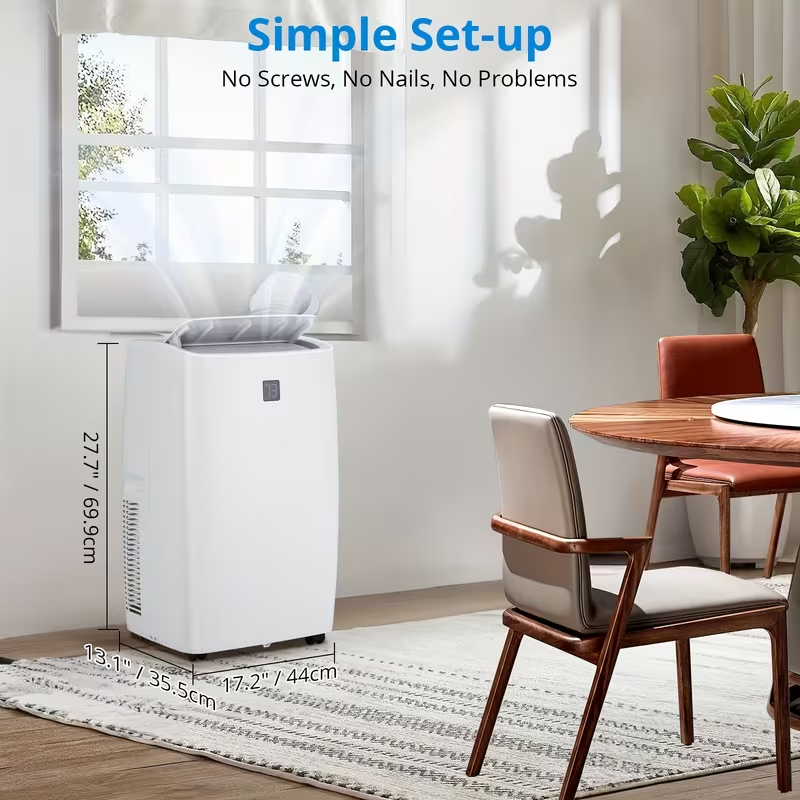
The Advanced Portable Air Conditioner is a versatile and efficient unit that combines cooling, dehumidifying, and fan functions, making it an excellent choice for various indoor environments. This unit is equipped with state-of-the-art technology to ensure optimal performance and user comfort.
One of the standout features of this portable air conditioner is its powerful cooling capability. It can effectively lower room temperatures, making it suitable for small to medium-sized rooms up to 400 square feet. Its adjustable thermostat and multiple cooling settings allow users to tailor the cooling experience to their specific needs. Furthermore, the air conditioner’s energy-efficient design helps reduce electricity costs while maintaining a comfortable indoor climate.
In addition to its cooling abilities, this model also excels in dehumidifying. With a dedicated dehumidifier function, it can remove excess moisture from the air, creating a drier and more comfortable living space. This feature is especially beneficial in regions with high humidity levels, as it can help prevent mold growth and enhance indoor air quality.
The fan mode provides an additional layer of comfort, offering a gentle airflow that is ideal for mild days or as an alternative to full cooling. The unit features a user-friendly interface with a digital display, making it easy to select the desired mode and adjust settings. Portability is another advantage of this model; it includes caster wheels and a lightweight design for effortless relocation from room to room.
Overall, the Advanced Portable Air Conditioner with Dehumidifier and Fan Mode is ideal for individuals seeking an effective cooling solution for their living spaces. Whether in a bedroom, home office, or living area, this unit delivers performance while being easy to use and move as needed.
Product Review: Portable Air Conditioner, 3-in-1 Air Conditioner
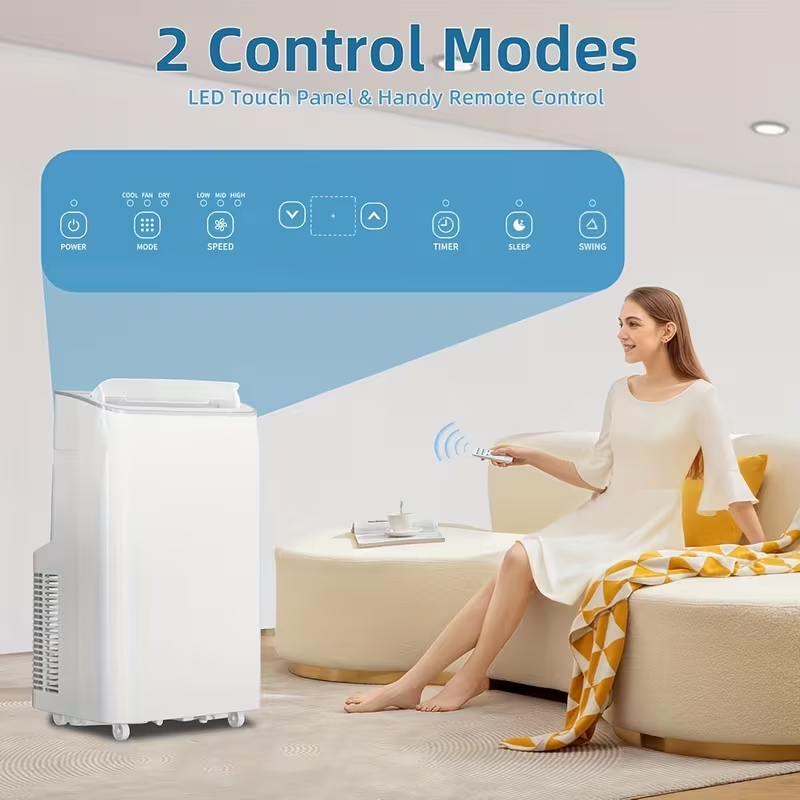
The portable 3-in-1 air conditioner has gained significant attention due to its versatile functionality, combining cooling, dehumidifying, and fan operations within a single unit. This convenience is especially beneficial for those who require efficient climate control in their living spaces. This unit offers a cooling capacity of up to 10,000 BTUs, making it suitable for rooms of approximately 300 to 400 square feet, which are typical dimensions for urban apartments.
One of the most notable features of this portable air conditioning unit is its ability to act as a dehumidifier. With a dehumidifying capability of up to 50 pints per day, it effectively removes excess moisture from the air, creating a more comfortable environment during the humid summer months. This function is particularly important for those living in areas with high humidity levels, as it can alleviate potential mold growth and enhance overall air quality.
Furthermore, the design of this portable air conditioner emphasizes both aesthetics and functionality. With a sleek, modern appearance, it easily integrates into various home decors. Measuring approximately 30 inches in height and 18 inches in width, it is compact enough to fit in tight spaces, yet designed for stability and ease of use. Its built-in handle and rolling casters enhance portability, allowing users to move it from room to room effortlessly.
The fan function also deserves mention, offering multiple speeds to suit individual comfort preferences. This feature provides additional air circulation, which is particularly useful during milder conditions when full cooling is unnecessary. When comparing its performance to other products on the market, users frequently report satisfaction with its efficient cooling combined with low noise levels, enhancing the overall comfort in a living space.
Comparison of the Three Products
When evaluating portable air conditioners, it’s essential to consider various performance metrics, user flexibility, and ease of use. Here, we will compare three leading models to help determine which one best meets your needs.
Performance Metrics
- Model A: This unit features a cooling capacity of 14,000 BTU, making it adept at cooling spaces up to 500 square feet. Its energy efficiency ratio (EER) stands at 12.1, providing excellent cooling performance with moderate energy consumption.
- Model B: Slightly less powerful at 12,000 BTU, Model B still effectively cools areas of up to 400 square feet. With an EER of 11.5, it balances good cooling with manageable energy use.
- Model C: This option boasts a cooling capacity of 10,000 BTU, suitable for spaces around 300 square feet. Its EER is 10.6, making it the lowest in efficiency among the three, but it remains a viable choice for smaller areas.
User Flexibility
- Model A: It includes additional features such as a programmable timer, remote control, and multiple fan speeds, allowing personalized comfort settings.
- Model B: This model offers comparable features but lacks the advanced scheduling capabilities of Model A, limiting its flexibility slightly.
- Model C: While easy to use, it has minimal settings and lacks remote control options, making it less flexible for users who desire customizable comfort.
Ease of Use
- Model A: Installation is straightforward with illustrated instructions, and the included window kit simplifies the setup process.
- Model B: Installation is similarly user-friendly, though it requires slightly more effort to secure the unit properly.
- Model C: This model is designed for quick setup, making it the easiest of the three, but features fewer convenience options overall.
Ultimately, the choice among these portable air conditioners will depend on your specific needs, including the size of the space, desired features, and individual preferences for efficiency and usability.
Portable Air Conditioner Model A
One of the most notable advantages of Portable Air Conditioner Model A is its energy efficiency. With a rated EER (Energy Efficiency Ratio), it provides powerful cooling while consuming relatively low energy. It is particularly beneficial for medium-sized rooms, making it a great choice for both residential and commercial spaces. Additionally, this model is known for its compact design, which allows for easy mobility. Users appreciate the user-friendly controls and digital display that enhance its appeal.
However, despite its numerous benefits, Portable Air Conditioner Model A does have some limitations. First, its noise level can be particularly noticeable at higher settings, which may be distracting for users who are sensitive to sound. Additionally, while the unit performs well in cooling, it may struggle in extreme heat conditions, where temperatures exceed the design specifications. Lastly, the maintenance required, including regular cleaning of filters and drainage, can be more demanding compared to other models.
Portable Air Conditioner Model B
Portable Air Conditioner Model B is often praised for its quiet operation, making it an excellent option for bedrooms or study areas where noise is a concern. This model also incorporates a built-in dehumidifier, which is a great feature for humid climates, as it helps to reduce excess moisture. Furthermore, the energy-saving features, including programmable timers, allow users to optimize their cooling schedules effectively.
On the downside, Model B’s cooling efficiency may not be as strong as its competitors in larger spaces. Users in extensive areas might find the unit less capable of maintaining desired temperatures. Additionally, its price point tends to be higher compared to similar models. This can be a deterring factor for budget-conscious consumers. Overall, while this unit excels in quiet operation and convenience features, it may not be the best fit for every environment.
Portable Air Conditioner Model C
Portable Air Conditioner Model C stands out for its versatile three-in-one functionality, combining cooling, heating, and ventilation in one device. This flexibility makes it a year-round climate control solution, appealing to users in varying climates. Furthermore, Model C often receives high ratings for its cooling power, effectively lowering room temperatures even on hot summer days.
Nevertheless, there are concerns regarding its portability due to its relatively heavier weight compared to other models. This factor can make moving the unit cumbersome, especially for elderly users. Additionally, its hose system may require more setup time, which some users may find inconvenient. While it delivers excellent performance and versatility, potential buyers should consider these drawbacks when making their decision.
Buying Guide: What to Consider Before Choosing a Portable Air Conditioner
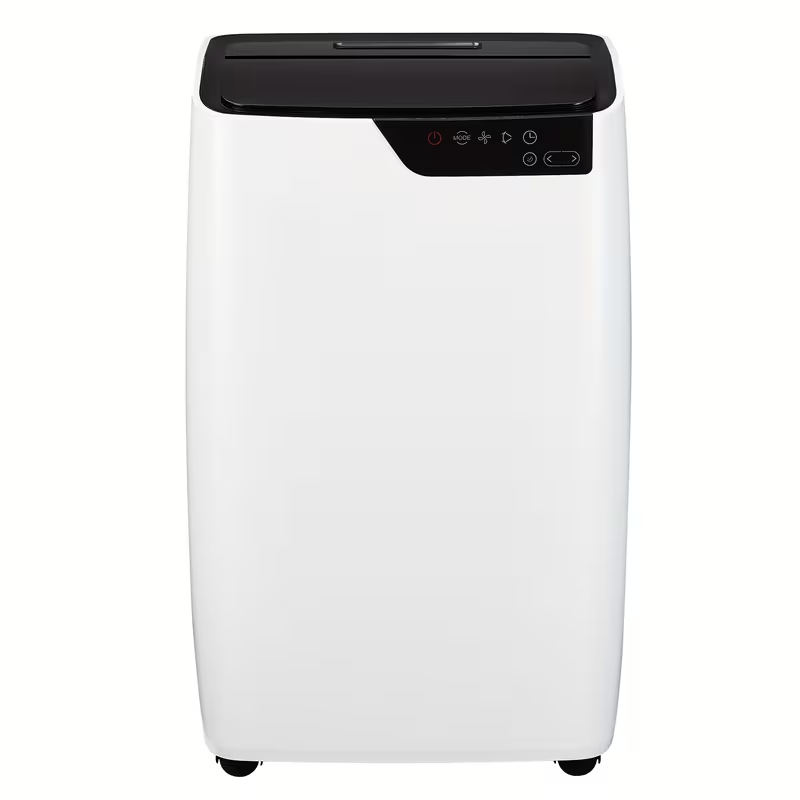
When selecting a portable air conditioner, several critical factors should be taken into account to ensure optimal performance and comfort. The first consideration is the BTU rating, which measures the cooling capacity of the unit. Generally, a higher BTU rating indicates a stronger cooling power and is better suited for larger spaces. For example, a room that is approximately 150 to 250 square feet typically requires a portable air conditioner with 8,000 to 10,000 BTUs. It is essential to match the BTU rating to your room size to avoid inefficiency and excessive energy consumption.
Next, evaluating energy consumption is crucial. Look for portable air conditioners that have an Energy Efficiency Ratio (EER) rating, which reflects the cooling output versus energy use. Higher EER ratings suggest better energy efficiency, thus potentially lowering electricity bills. Additionally, consider whether the model has eco-friendly features or modes, as these can help in reducing environmental impact while maintaining effective cooling.
Noise levels are another important aspect, especially if the air conditioner will be used in a bedroom or study. Portable air conditioners vary in noise output, usually measured in decibels (dB). Look for models that operate quietly, ideally under 60 dB, to ensure comfortable living conditions without disruption.
Special features can also enhance the usability of a portable air conditioner. Features such as programmable timers, remote controls, dehumidifiers, and multiple fan speeds can contribute to greater convenience and functionality. A longer warranty term is also beneficial, as it provides peace of mind regarding the durability and longevity of the unit. Finally, be sure to read customer reviews to gain insight into the performance of specific models and to identify any potential issues that might not be apparent during the initial selection process.
Final Recommendation: Which Product is Best for Different User Needs
When it comes to selecting a portable air conditioner, the right choice largely depends on an individual’s lifestyle, room size, budget, and specific use cases. For instance, users living in smaller apartments or single rooms might find compact models with cooling capacities of around 8,000 BTU to be the most efficient solution. These units are generally affordable and effective at cooling spaces up to 200 square feet, making them suitable for minimalistic living arrangements.
For those who seek enhanced performance and usability, particularly in larger areas, opting for portable air conditioners with higher BTU ratings is advisable. Models ranging from 12,000 to 14,000 BTU can cool rooms of approximately 500 square feet, catering to users with more expansive living spaces or open-plan layouts. Furthermore, features such as programmable timers and energy-saving modes can significantly enhance user satisfaction and lead to cost savings on electricity bills.
Budget-conscious consumers might gravitate towards mid-range options that balance cost and functionality. Several budget-friendly models provide adequate cooling without compromising on essential features like dehumidification and easy mobility. Brands often offer seasonal discounts, allowing buyers to invest in good quality units at competitive prices.
Lastly, for enthusiasts who prioritize versatility, multi-function portable air conditioners that double as heaters and dehumidifiers provide the ultimate convenience. These appliances are ideal for regions with varying climates, ensuring users have suitable solutions year-round. In summary, understanding your specific needs and evaluating room size, budget, and additional features will guide you in selecting the most appropriate portable air conditioner, ensuring a comfortable and cool environment wherever you are.