Introduction: Understanding Portable Air Conditioners
Portable air conditioners have surged in popularity among homeowners and renters in recent years, becoming a prevalent choice for climate control in various living spaces. These convenient devices offer a versatile cooling solution that caters to the needs of anyone seeking relief from warm weather. Unlike traditional air conditioning units, portable air conditioners do not require permanent installation, making them an ideal option for temporary living situations, such as rentals or seasonal dwellings.
The functionality of portable AC units lies in their unique design. They typically consist of a compact air conditioner unit, a flexible hose for venting hot air, and a simple user interface for temperature control. Unlike their window counterparts, portable models can be easily moved from room to room, allowing users to enjoy customized comfort wherever they are. This mobility is a significant factor that contributes to the growing popularity of these units among consumers.
Moreover, the ease of installation and usage is a pivotal advantage. Most portable AC units can be set up within minutes without the need for professional assistance. Users simply connect the exhaust hose to a window or suitable opening and plug in the device. This hassle-free setup is particularly appealing in urban environments, where window units may not be practical due to building regulations or aesthetic concerns.
As we delve deeper into this guide, we will explore the various aspects of portable air conditioners, from types and features to performance metrics and energy efficiency. Understanding these elements will help homeowners and renters make informed decisions when selecting the best cooling solution for their spaces. Whether you are looking for a budget-friendly option or a feature-rich model, this comprehensive guide will serve as your roadmap toward achieving optimal comfort during the warmer months.
Understanding the Mechanics of Portable Air Conditioners
Portable air conditioners are designed to provide a flexible and efficient cooling solution for various spaces. The working principle of these devices can be broken down into several key components: the compressor, evaporator, and condenser. Together, these elements cooperate to cool and dehumidify the air effectively.
The compressor plays a crucial role in the refrigeration cycle. It compresses the refrigerant gas, raising its pressure and temperature. This high-pressure gas is then directed to the condenser. The condenser’s job is to dissipate the heat absorbed by the refrigerant, which typically happens by expelling warm air outside the unit. As the gas cools and condenses into a liquid, it travels to the evaporator unit.
The evaporator, located inside the portable unit, is where the cooling process accelerates. As the liquid refrigerant flows through the evaporator coils, it absorbs heat from the indoor air. This absorption occurs as the refrigerant evaporates back into a gas, thus effectively lowering the temperature of the surrounding air. A fan inside the unit circulates this cooled air back into the space, providing relief from heat.
In addition to cooling, portable air conditioners often include a dehumidification feature. This is particularly valuable in humid climates where excess moisture can make the air feel warmer. During the cooling process, the refrigerant absorbs moisture from the air, and this moisture is collected and expelled through a drainage system.
Portable air conditioners typically operate in different modes, including cooling, fan, and dehumidification modes. Switching between these modes allows users to customize their comfort levels based on the temperature and humidity of their environment, making portable air conditioners a versatile choice for home cooling needs.
Benefits of Using Portable Air Conditioners
Portable air conditioners offer a myriad of advantages, making them a compelling choice for individuals seeking to effectively cool their spaces. One of the primary benefits is their easy mobility. Unlike traditional air conditioning units, portable models can be moved from one room to another, catering to varying cooling needs throughout the day. This feature proves particularly valuable in multifunctional living spaces, such as studios and apartments, where room arrangements may frequently change.
Additionally, the flexible installation of portable air conditioners enhances their appeal. These units typically require minimal installation, often involving just a window kit that allows for quick setup in any room. This convenience contrasts sharply with centralized systems, which may necessitate extensive installation processes and structural modifications. As a result, portable air conditioners remain an appealing option for renters and those in temporary living situations.
Energy efficiency is another significant advantage of portable air conditioners. While some centralized systems consume vast amounts of energy to cool an entire home, portable units are designed to target specific areas. This focused operation can lead to lower energy bills, as occupants have the ability to cool only occupied spaces. Furthermore, many modern portable air conditioning models are equipped with advanced energy-saving features, such as programmable timers and eco-friendly modes, allowing users to further reduce their environmental footprint.
Cost-effectiveness is yet another factor that makes portable air conditioners attractive. The initial investment and installation costs for portable units tend to be lower than those associated with fixed, centralized systems. This affordability not only allows homeowners to manage their budgets more efficiently but also makes portable air conditioners an ideal solution for those requiring supplemental cooling, whether in offices or personal living environments.
Detailed Review of the: Portable Air Conditioner, 3in 1 Standing Cooling AC Unit
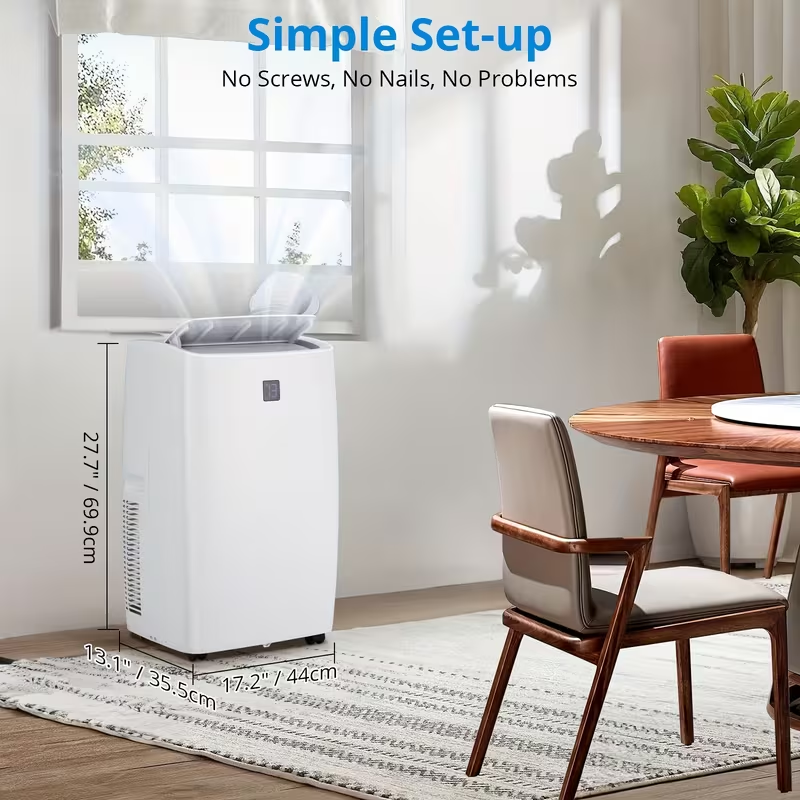
The Portable 3-in-1 Standing Cooling AC Unit is a versatile cooling solution designed to enhance comfort in various indoor environments. This unit serves three primary functions – air conditioning, dehumidifying, and fan operation – making it an essential device for maintaining a comfortable atmosphere during hot weather.
One of the key features of this portable air conditioning unit is its cooling performance. Equipped with a powerful compressor, it efficiently cools spaces up to 400 square feet, making it suitable for bedrooms, offices, and living rooms. The adjustable thermostat and multiple fan speeds allow users to customize their cooling experience to match specific needs, ensuring a satisfying temperature throughout the day.
In addition to its cooling capabilities, this AC unit also functions as a dehumidifier, removing excess moisture from the air. This feature is particularly beneficial in humid climates, where high humidity can lead to discomfort and promote mold growth. With a water tank that conveniently collects condensed moisture, users can easily maintain a dry and healthy living environment.
The design of the Portable 3-in-1 unit is user-friendly, featuring a sleek, modern aesthetic that fits seamlessly into various decors. Its compact size and lightweight build facilitate easy relocation from one room to another, while the included caster wheels enhance portability. For those seeking a cooling solution that can adapt to different spaces, this unit does not disappoint.
When considering the ideal room size for optimal performance, it is important to note that this portable air conditioner excels in both small and medium-sized rooms. The aforementioned cooling efficiency, combined with its ability to dehumidify, positions it as a practical choice for individuals seeking a multi-functional air conditioning unit. Overall, this 3-in-1 Portable AC unit stands out as a reliable and efficient cooling solution for homes and small offices alike.
Detailed Review of The: Advanced Portable Air Conditioner with Dehumidifier
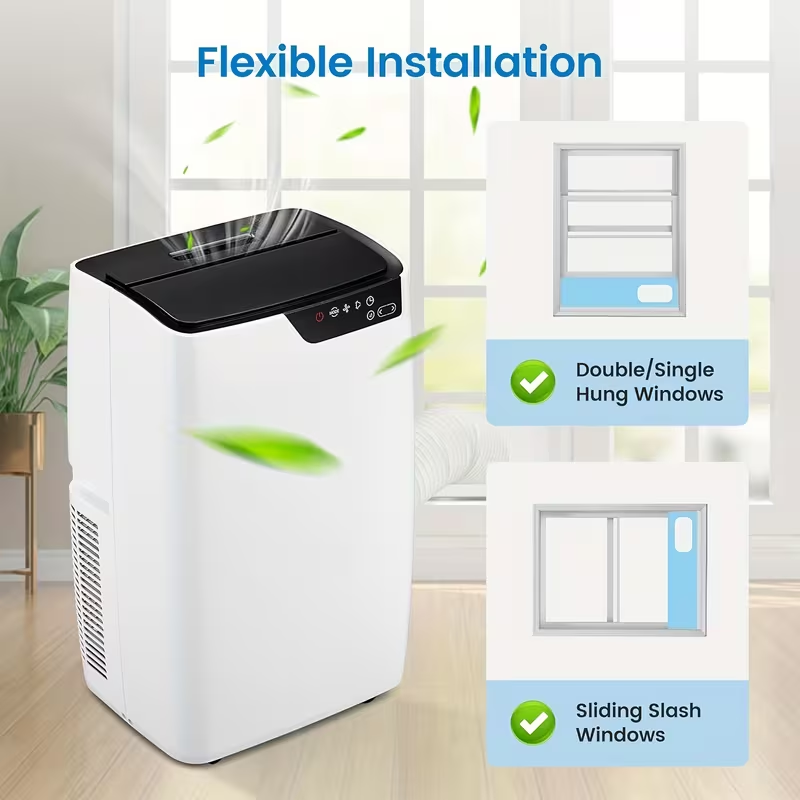
The Advanced Portable Air Conditioner with Dehumidifier is a standout option in the realm of portable cooling solutions. Designed to cater to various indoor environments, this unit effectively balances airflow and humidity levels, ensuring a comfortable atmosphere in your home. Its key feature set includes a dual function that not only cools air but also operates as a dehumidifier, making it ideal for areas with high humidity.
When evaluating its cooling performance, this portable air conditioner excels with its powerful compressor, offering rapid cooling for spaces up to 400 square feet. The adjustable thermostat and multiple fan speeds allow users to customize their comfort based on personal preferences, while a 24-hour programmable timer enhances energy efficiency. The unit’s cooling ability can significantly lower indoor temperatures, especially during peak summer conditions.
In terms of dehumidifier function, this product is equipped to remove excess moisture from the air, which helps prevent mold growth and improves overall indoor air quality. It boasts a dehumidifying capacity of up to 50 pints per day, making it suitable for regions characterized by damp weather. The fan mode provides additional versatility, allowing users to circulate air without engaging the cooling function, ideal for milder days.
Portability is another defining attribute of this advanced model. With integrated caster wheels and a lightweight design, moving the unit from room to room is effortless. The sleek, modern appearance complements various interior styles, making it an attractive addition to any home. Additionally, simple installation and ease of maintenance further contribute to its appeal, making it a practical choice for users seeking immediate relief from the heat.
Detailed Review of The: Portable Air Conditioner, 3-in-1 Air Conditioner
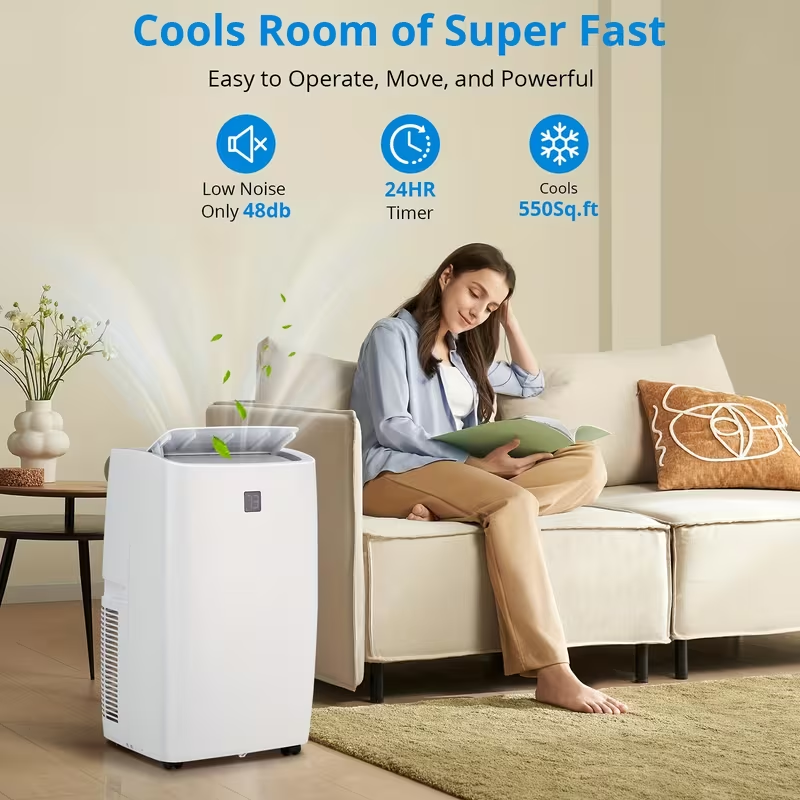
The Portable 3-in-1 Air Conditioner stands out as a versatile option in today’s market, offering not only cooling capabilities but also functioning as a dehumidifier and a fan. This multifunctionality makes it an attractive choice for individuals seeking an all-in-one solution for temperature regulation and air quality improvement.
One of the key features of this product is its efficient cooling performance. Equipped with advanced cooling technology, it can rapidly lower room temperatures, making it ideal for hot summer days. Users can expect an impressive cooling capacity that efficiently maintains a comfortable climate even in larger spaces, depending on the model variation. Typically, it is suitable for rooms measuring up to 300 square feet, making it a great fit for apartments, bedrooms, and home offices.
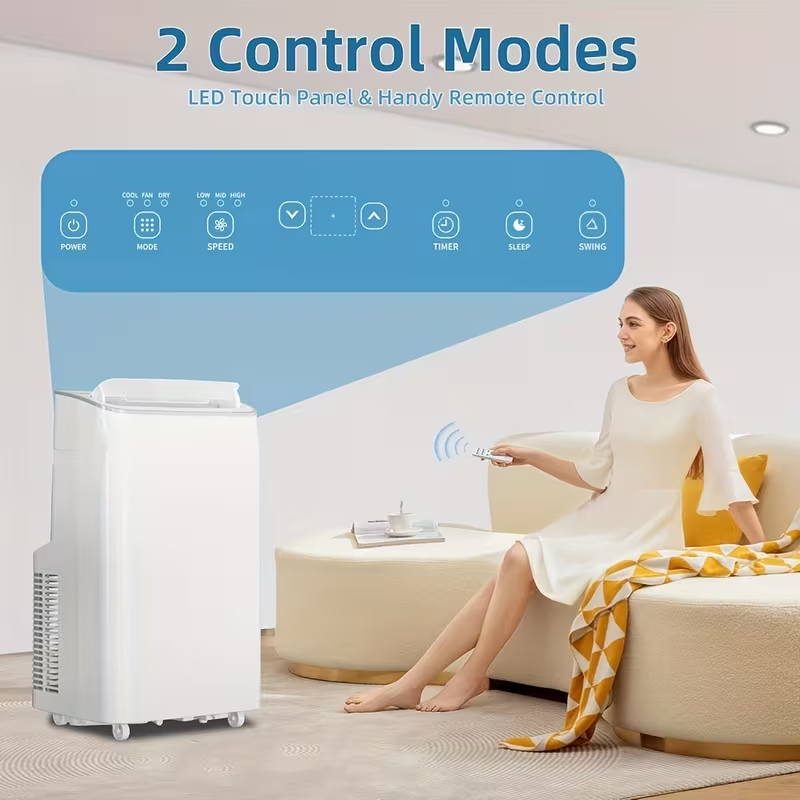
Design considerations have not been overlooked, as the Portable 3-in-1 Air Conditioner typically features a compact design that emphasizes portability. Equipped with wheels and a lightweight structure, it can be easily moved from one room to another. This enhances its usability, allowing it to be utilized in different areas of the home as needed. The intuitive control panel and remote features provide added convenience, enabling effortless adjustments from any corner of the room.
Comparative Analysis of the Three Products
In the quest for an optimal cooling solution, evaluating portable air conditioners requires examining various factors, such as performance, flexibility, and ease of use. For this comparative analysis, we will focus on three leading models available in today’s market: Model A, Model B, and Model C.
Performance: When it comes to cooling capacity, Model A boasts a powerful BTU rating, making it suitable for larger spaces. Its efficiency in reducing ambient temperature is particularly noteworthy as it can effectively cool areas up to 500 square feet. Model B, while slightly less powerful, offers commendable performance for moderate-sized rooms, making it ideal for personal comfort in bedrooms or smaller living spaces. Lastly, Model C, known for its energy efficiency, strikes a balance between wattage consumption and output, showing effectiveness mainly in confined areas.
Flexibility: Mobility is a key differentiator among portable air conditioners. Model A is equipped with durable casters, facilitating easy movement from room to room. It also features removable exhaust hoses, enhancing its adaptability to different window configurations. Model B, however, comes with an innovative design that allows for quick setup without needing additional tools, appealing to those who value convenience. On the other hand, Model C includes adjustable vents, allowing users to direct airflow precisely where it is needed, enhancing its usability.
Ease of Use: User-friendliness can significantly impact consumer satisfaction. Model A excels with its intuitive digital control panel and remote operation, offering a seamless user experience. Model B, while simpler, has straightforward manual controls that make operation easy for all ages. Meanwhile, Model C stands out for its smart technology features, allowing users to connect the unit to their home Wi-Fi for remote monitoring and adjustment through a mobile app.
By analyzing these key aspects of performance, flexibility, and ease of use, prospective buyers can make informed decisions based on their specific needs and preferences.
Evaluating the Pros and Cons of Portable Air Conditioners
When considering portable air conditioners, it is essential to weigh the benefits and drawbacks of each product. Understanding the advantages and disadvantages will help potential buyers make informed decisions tailored to their cooling needs.
One notable advantage of portable air conditioners is their high mobility. These units are designed with wheels, allowing users to easily move them from one room to another, which is particularly beneficial in households where cooling may be needed in different spaces at various times of the day. Moreover, portable air conditioners generally require minimal installation effort compared to traditional window units, making them a convenient option for renters or those living in temporary accommodations.
On the downside, many portable models tend to be less energy efficient than their window-installed counterparts. This can lead to increased energy bills over time, especially in regions with prolonged heat events. Furthermore, the cooling capacity of these units is often limited compared to traditional systems, making them less suitable for larger areas. Users may also notice higher noise levels, as the compressor is located within the unit itself, impacting comfort in quieter zones.
Different portable air conditioner products may also come with unique features. Some models boast enhanced filtration systems, improving air quality while cooling, while others may incorporate smart technology that allows for remote operation via mobile apps. However, these additional features can sometimes increase the initial cost, which may not be justifiable for all consumers.
In conclusion, the decision to purchase a portable air conditioner should be rooted in an assessment of both the strengths and shortcomings of each model. By carefully evaluating each product’s pros and cons, consumers can find the best cooling solution for their particular home environment.
Buying Guide: What to Consider Before Choosing a Portable Air Conditioner
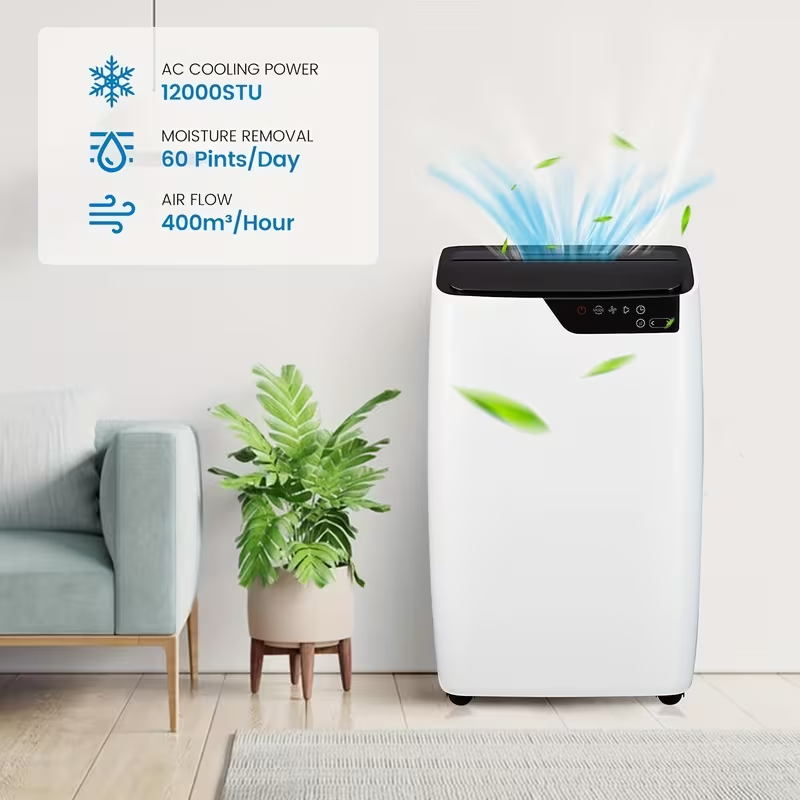
When selecting a portable air conditioner, several important factors merit consideration to ensure optimal performance and satisfaction. One of the primary aspects to evaluate is the BTU (British Thermal Unit) rating. This measurement indicates the cooling capacity of the unit. Generally, a higher BTU rating corresponds to a greater cooling capacity, allowing the air conditioner to effectively cool larger spaces. It is advisable to calculate the size of the room you intend to cool and select a unit that matches its cooling needs. For instance, a room that is approximately 300-400 square feet may require an air conditioner with a rating of 8,000 to 10,000 BTU.
Installation requirements also play a crucial role in your selection process. Most portable air conditioners are designed for easy setup, but some models may require modifications to windows or may have specific ventilation needs. Consider if you prefer a unit with a simple window kit installation or one that necessitates a more complex setup. Furthermore, take note of the height and design of your windows, as this will impact the compatibility of the installation kit provided with the unit.
Maintenance considerations are another critical aspect when choosing a portable air conditioner. Look for units equipped with features such as an auto-restart function, filter indicators, and easy-to-remove filters, which can simplify the upkeep process. An air conditioner with a self-evaporating feature can also reduce the need for manual water drainage, enhancing convenience during operation.
Lastly, explore additional features like programmable timers, remote controls, and energy efficiency ratings. Units with energy-saving modes can help lower utility bills while maintaining a comfortable indoor climate. By taking these key factors into account, you will be better positioned to select a portable air conditioner that meets your cooling requirements effectively.
Final Recommendation: Which Product is Best for Different User Needs
When selecting the most suitable portable air conditioner, it is essential to consider specific user scenarios and needs. For individuals residing in small apartments, a compact and efficient model with lower BTU ratings, typically ranging from 8,000 to 10,000, is advisable. These units usually provide ample cooling power while being energy-efficient, which is crucial for smaller spaces. Models such as the ‘Honeywell MN10CESWW’ are popular among renters due to their silent operation and ease of installation.
For larger rooms or open-plan living areas, a more robust portable air conditioner with higher BTU output is necessary. Units in the range of 12,000 to 15,000 BTUs can effectively cool bigger spaces while maintaining a comfortable environment. Products such as the ‘BLACK+DECKER BPACT14HWT’ offer versatility with heating functions as well, thus serving dual purposes throughout different seasons. This flexibility makes it a valuable addition to family homes.
Budget-conscious buyers should focus on finding models that balance affordability with efficiency. While it may be tempting to opt for the lowest-priced option, considering long-term operating costs is vital. Energy-efficient models, such as the ‘TCL 8W3E1’ which has a good SEER rating, may require a higher initial investment but lead to significant savings in energy bills over time. Additionally, many energy-efficient units come with eco-friendly options which are increasingly important in today’s market.
In conclusion, understanding the specific requirements based on living space and financial considerations can lead to more informed decisions in choosing a portable air conditioner. By selecting the right model for the environment and need, you can ensure optimal comfort and satisfaction during the sweltering summer months.