Introduction to Portable Air Conditioners
Portable air conditioners have emerged as indispensable appliances for maintaining a comfortable living environment, especially during the sweltering summer months. These versatile cooling solutions operate independently of traditional ductwork, providing a flexible and efficient way to manage indoor temperatures. With the growing demand for air conditioning, they have increasingly attracted attention from homeowners, renters, and office users alike due to their compact design and ease of use.
One of the standout features of portable air conditioners is their installation simplicity. Unlike permanent cooling systems that often require professional setup, portable units typically come with straightforward installation kits, allowing users to commence cooling with minimal effort. This user-friendliness is a significant factor contributing to their widespread adoption, particularly among individuals residing in apartments or temporary accommodations where permanent modifications are impractical.
Another compelling aspect of portable air conditioners is their energy efficiency. Many models are designed to consume less power compared to traditional systems, which can lead to noticeable savings on energy bills. Furthermore, as awareness of environmental issues rises, consumers increasingly favor appliances that minimize their carbon footprint. Portable air conditioners align with this preference, often exhibiting eco-friendly features and energy-saving modes that ensure effective cooling without excessive energy consumption.
Additionally, these devices are not solely limited to cooling; various portable air conditioners also offer built-in dehumidifying functions, enhancing overall indoor air quality. This multipurpose capability makes them an attractive option for those seeking to improve their home environment. Overall, the versatility, convenience, and efficiency of portable air conditioners make them a go-to solution for those looking for effective cooling solutions across various settings.
Understanding the Mechanism of Portable Air Conditioners
Portable air conditioners function through a combination of physical principles and essential mechanical components that work together to provide effective cooling. At the core of these units lies the compressor, which is responsible for circulating refrigerant throughout the system. This refrigerant transitions between liquid and gas forms as it absorbs and releases heat, thus facilitating the cooling process.
Upon entering the compressor, the refrigerant gas is compressed, which raises its temperature and pressure. This high-energy gas then flows into the condenser coils, where it releases absorbed heat to the outside air. A fan plays a critical role in this stage by blowing air across the condenser coils to enhance heat dissipation. As the gas cools, it transforms into a liquid state, ready to initiate the cooling cycle once again.
Following its journey through the condenser, the cool liquid refrigerant moves into the evaporator coils located inside the portable unit. Here, the refrigerant undergoes evaporation by absorbing heat from the surrounding air, which results in a drop in temperature. A secondary fan circulates the cooled air back into the room, ensuring that the desired temperature is maintained. The moist air is also an important aspect of the cooling cycle; as the refrigerant absorbs heat, it removes moisture from the air, raising its overall efficiency.
A key feature of portable air conditioners is the exhaust hose, which expels warm air generated during the cooling process outside. This exhaust helps maintain the temperature balance within the room and prevents the unit from overworking. Together, these components create a seamless operation of portable air conditioners, making them an effective solution for keeping indoor spaces comfortably cool in various climates.
Benefits of Using Portable Air Conditioners for Rooms, Apartments, and Offices
Portable air conditioners offer numerous advantages over traditional air conditioning systems, making them an increasingly popular choice for various environments such as rooms, apartments, and offices. One of the most significant benefits of these units is their flexibility in placement. Unlike fixed air conditioning systems, portable models can be easily moved from one location to another, allowing users to shift cooling solutions based on specific needs or preferences. This mobility ensures that whether you are working in your home office or relaxing in your living room, you can have a comfortable temperature at your fingertips.
Another essential advantage is the lower installation costs associated with portable air conditioning units. Traditional systems typically require professional installation, which may involve extensive renovations and significant expenses. In contrast, portable units can be set up with minimal effort, often requiring only a window vent kit for exhaust. Consequently, these affordable solutions appeal greatly to renters and homeowners alike, fostering increased accessibility for anyone seeking relief from the heat.
Energy efficiency is also a notable benefit of portable air conditioners. Many of these systems utilize advanced technology to reduce power consumption while effectively cooling the air. Because they can be targeted to specific rooms rather than cooling entire spaces, they often consume less energy, leading to potential savings on electricity bills. Furthermore, this efficiency aligns well with the growing trend towards sustainable living, as consumers are increasingly conscious of their environmental impact.
In summary, portable air conditioners cater to diverse cooling needs in various environments. Their flexibility, lower installation costs, and energy efficiency make them an attractive and practical choice for individuals seeking effective temperature control, whether in a small apartment, a large home, or a busy office. The adaptability and convenience of these units ensure that they can serve as excellent cooling solutions for anyone looking to enhance their indoor comfort.
Product Overview: the Portable Air Conditioner, 3in 1 Standing Cooling AC Unit
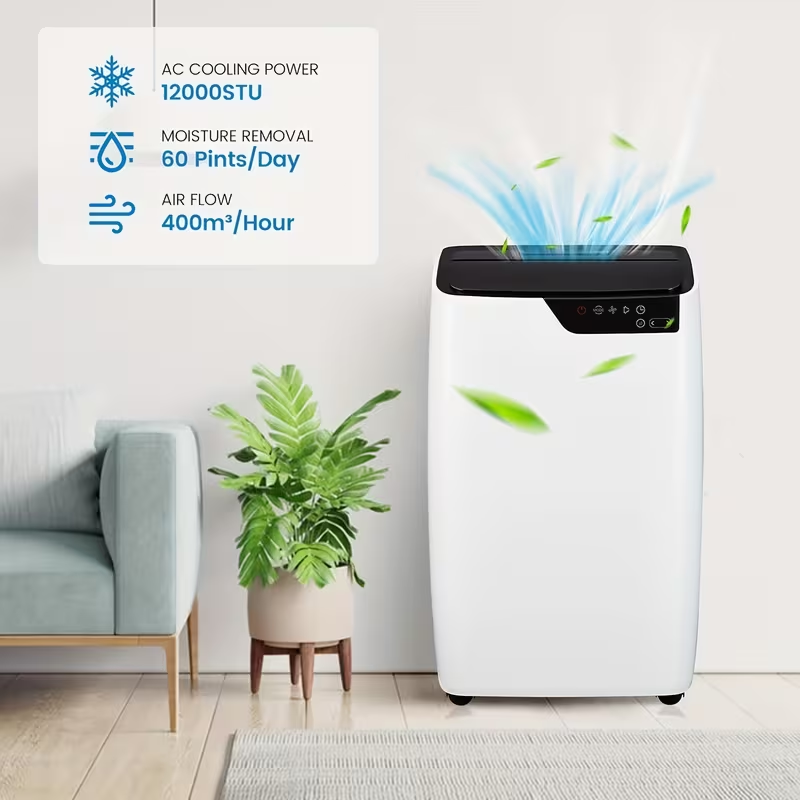
The Portable 3-in-1 Standing Cooling AC Unit is an innovative solution designed to enhance indoor comfort. This unit not only functions as an air conditioner but also operates as a dehumidifier and a fan, making it a versatile option for various climates and user preferences. One of the standout features of this portable air conditioning unit is its cooling performance, which ensures effective temperature regulation in enclosed spaces.
Cooling performance is often quantified by the unit’s BTU (British Thermal Unit) rating, which in this case typically ranges from 8,000 to 14,000 BTUs, catering to rooms of different sizes. For instance, a unit with a higher BTU rating is ideal for larger rooms, while a smaller unit is more suitable for compact spaces. Furthermore, the cooling function operates efficiently within a specified area, allowing users to maximize the effectiveness of this feature.
In addition to its air conditioning capabilities, this unit’s dehumidifier function is particularly noteworthy. It helps combat excess moisture in the air, thus creating a healthier indoor atmosphere and preventing mold growth, which is an important consideration in humid climates. The fan mode serves as an efficient alternative for maintaining airflow during milder weather conditions, ensuring year-round usability.
The design of the Portable 3-in-1 Standing Cooling AC Unit is both contemporary and functional. Its compact size and integrated wheels facilitate easy mobility, allowing users to relocate the unit as needed within their homes. With dimensions that typically accommodate confined spaces, this air conditioning solution is perfect for apartments, dorm rooms, and home offices.
In terms of ideal room size, this unit is typically best suited for areas ranging from 200 to 500 square feet, depending on the specific model and output. Overall, the Portable 3-in-1 Standing Cooling AC Unit stands out as an efficient and practical choice for those seeking comfort and convenience during warmer months.
Product Overview: Advanced Portable Air Conditioner with Dehumidifier and Fan Mode
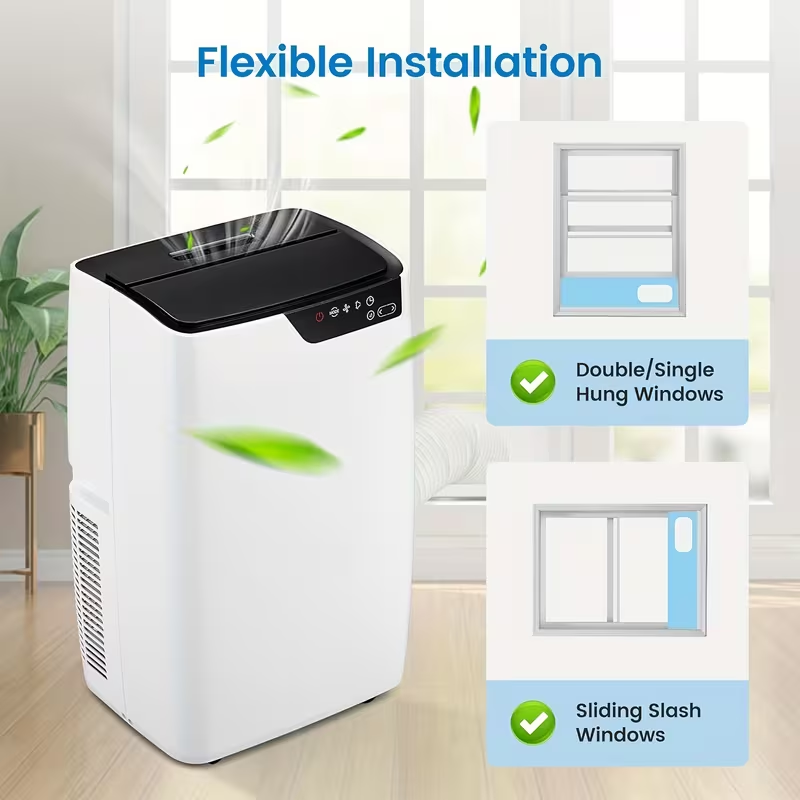
The Advanced Portable Air Conditioner is an innovative cooling solution designed to enhance comfort in various residential environments. This unit is engineered with a powerful compressor, allowing it to deliver impressive cooling performance even in larger rooms. With a cooling capacity typically ranging from 8,000 to 14,000 BTU, this air conditioner effectively cools spaces measuring up to 500 square feet, making it suitable for living rooms, bedrooms, or even small office areas.
One of the standout features of this portable air conditioner is its integrated dehumidifier. This functionality is particularly beneficial in humid climates, as it helps reduce moisture levels in the air, promoting a more comfortable indoor atmosphere. By extracting excess humidity, the unit not only makes the air feel cooler but also helps to prevent mold and mildew growth. The dehumidification feature can often operate independently or in conjunction with the cooling mode, providing users with tailored comfort options.
Additionally, the Advanced Portable Air Conditioner includes a fan mode, which can be used to circulate air without the need for active cooling. This option is ideal for mild weather conditions or for use in rooms where air circulation is sporadically needed. The unit typically features multiple fan speeds, allowing users to select their desired airflow intensity.
In terms of design, this portable air conditioner boasts a sleek, modern aesthetic that can blend seamlessly into various decor styles. Measuring approximately 30 inches in height and 12-15 inches in width and depth, it is compact enough for easy placement in tight spaces. Built-in caster wheels enhance portability, allowing users to move the unit effortlessly from room to room. For the best performance, it is advisable to use this air conditioner in spaces not exceeding its cooling capacity, ensuring optimal cooling efficiency and comfort.
Product Overview: he Portable Air Conditioner, 3-in-1 Air Conditioner
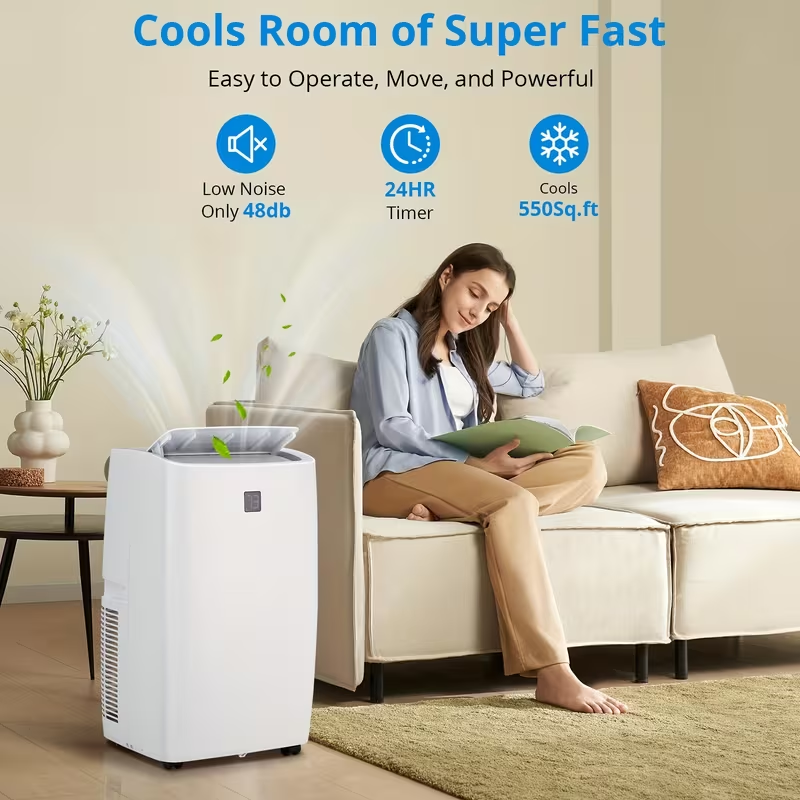
The Portable 3-in-1 Air Conditioner is a versatile cooling solution designed to provide efficient temperature control, making it ideal for various home environments. This device combines the functionality of an air conditioner, dehumidifier, and fan, offering comprehensive climate management. Its cooling capacity typically ranges from 8,000 to 14,000 BTUs, making it suitable for rooms of different sizes, whether it’s a cozy bedroom or a larger living area.
One of the standout features of the Portable 3-in-1 Air Conditioner is its humidity control capability. In humid climates, it effectively reduces moisture levels, ensuring a comfortable atmosphere without excessive dampness. The dehumidification mode can remove up to 60 pints of moisture per day, which is especially beneficial during the summer months when humidity levels peak.
The air conditioner’s fan mode further enhances its utility, providing ongoing airflow without the cooling function. This setting is particularly useful during transitional weather, allowing users to circulate air efficiently without having to rely solely on cooling. The robust design of the unit ensures seamless operation, while its portable nature affirms ease of movement. Equipped with caster wheels and a lightweight structure, users can easily relocate the unit from room to room as needed.
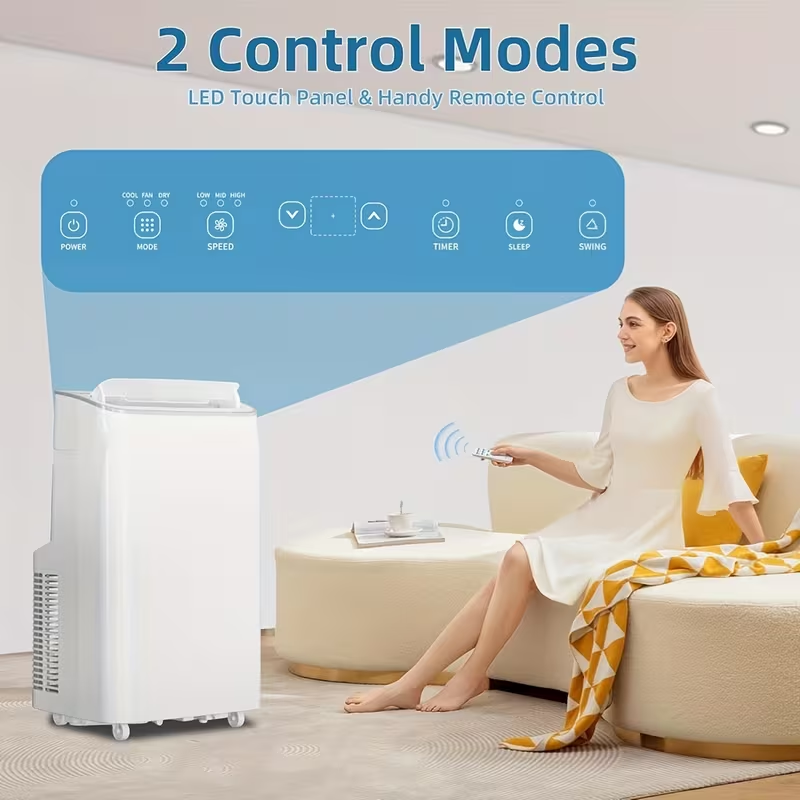
In terms of design, the Portable 3-in-1 Air Conditioner features a compact profile that fits well in various settings. Its sleek appearance can blend with modern home decor, and the intuitive control panel ensures user-friendliness. Optimal usage scenarios typically include spaces ranging from 300 to 500 square feet, making it ideal for apartments, bedrooms, or commercial office spaces. Overall, the Portable 3-in-1 Air Conditioner stands as an effective, adaptable option for anyone seeking a reliable cooling solution in their home.
Comparison of the Three Portable Air Conditioners
When assessing the best portable air conditioners available, it is crucial to compare their cooling performance, flexibility, and ease of use. Three notable models stand out in the market today, and each offers unique features that cater to specific cooling needs in various home environments.
The first model is known for its impressive cooling performance. With a BTU rating that allows it to cool down larger spaces efficiently, it is an excellent choice for those residing in warmer climates or larger rooms. Additionally, this unit typically includes an energy-saving mode, allowing for not only effective cooling but also improved energy efficiency, which can significantly reduce electricity costs over time.
Next, we have a portable air conditioner that excels in flexibility. Its lightweight design and built-in caster wheels make it easy to move from one room to another, providing cooling wherever it is needed most. This model often features multiple fan speeds and adjustable vents, allowing users to customize their comfort levels. Such versatility makes it ideal for households with varying needs, giving users the freedom to change the air conditioning setup according to the time of day or activities being undertaken.
The third model shines in terms of ease of use. Equipped with smart technology, it offers seamless control via smartphone applications or voice assistants, allowing users to adjust settings remotely. This innovative feature not only simplifies operation but also ensures that the air conditioner can be tailored to individual preferences without manual adjustments. Furthermore, this model often comes with a self-evaporative system, eliminating the need for frequent maintenance, which is a significant advantage for those seeking a hassle-free cooling solution.
By examining these aspects, individuals can make an informed decision on which portable air conditioner may best suit their specific requirements, whether it be superior cooling, superior mobility, or enhanced user-friendliness.
Pros and Cons of Each Product
When selecting a portable air conditioner, understanding the advantages and disadvantages of each product can significantly influence your purchasing decision. Below are insights into various models available on the market, highlighting key pros and cons for each.
Model A: CoolMaster 3000
Pros: The CoolMaster 3000 is known for its energy efficiency, providing a cool environment without skyrocketing your electricity bill. It also features a user-friendly control panel, making it accessible for all ages. Furthermore, its compact design allows for easy movement between rooms.
Cons: However, some users report that the noise level is slightly higher than expected, impacting the overall comfort during nighttime use. Additionally, the unit’s size may limit its effectiveness in larger spaces, proving less efficient for expansive living areas.
Model B: ChillZone 500
Pros: The ChillZone 500 offers impressive cooling capabilities, making it suitable for larger spaces, and it is equipped with advanced filters that improve indoor air quality. Its quiet operation is another advantage, allowing users to enjoy a peaceful environment while staying cool.
Cons: On the downside, the ChillZone 500 tends to have a higher price point, which may deter budget-conscious consumers. The installation process can also be somewhat complex, requiring additional tools and expertise for optimal setup.
Model C: BreezyAir Pro
Pros: The BreezyAir Pro stands out with its multifunctional features, combining air conditioning, dehumidification, and fan modes. Its portable design makes it easy to relocate, and it includes a convenient remote control for user flexibility.
Cons: Unfortunately, it has a smaller cooling capacity compared to its competitors, which may result in inadequate cooling for larger rooms. Additionally, users should be aware that its initial setup may require additional adjustments to achieve optimal performance.
Buying Guide: What to Consider Before Choosing a Portable Air Conditioner
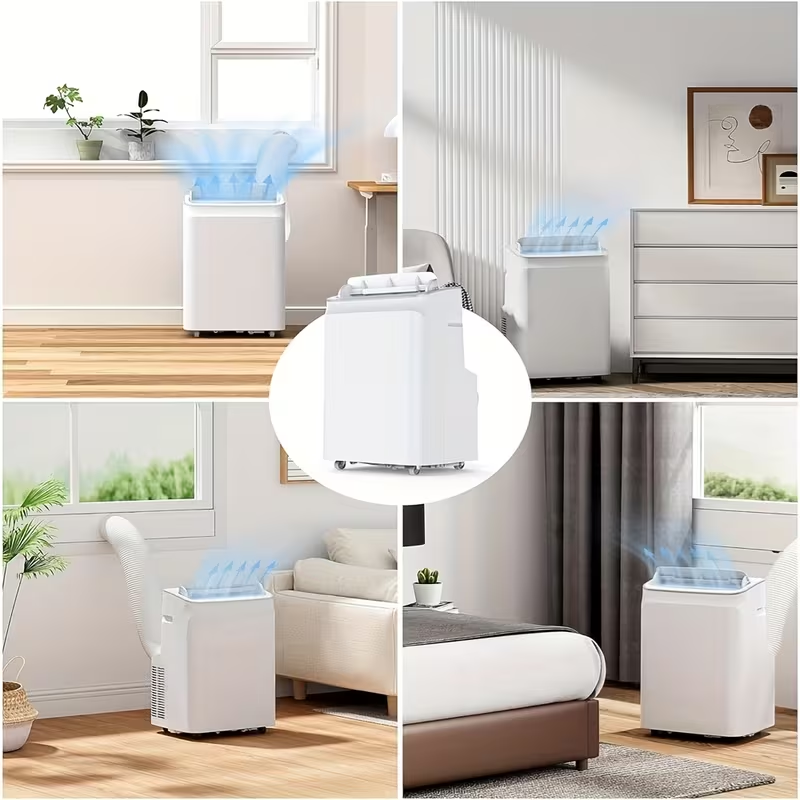
When searching for a portable air conditioner, several critical factors should influence your decision-making process. Understanding these elements can ensure that you invest in a unit that best suits your needs, ultimately leading to enhanced comfort and satisfaction.
First and foremost, assess the size of the room where the air conditioner will be used. Portable air conditioners are rated in BTUs (British Thermal Units), which determines their cooling capacity. For optimal performance, choose a unit with sufficient BTUs tailored to your space. A general guideline is that a room measuring about 150-300 square feet requires a portable air conditioner with a BTU rating of 8,000-10,000. Larger spaces will necessitate higher BTU ratings to effectively maintain a comfortable temperature.
Another essential consideration is energy efficiency. Energy-efficient models not only lower your carbon footprint but also minimize your electricity bills. Look for units that are labeled with the ENERGY STAR rating, which indicates that they meet strict energy efficiency guidelines set by the U.S. Environmental Protection Agency.
Noise levels are also significant to consider, particularly if the air conditioner will be used in a bedroom or workspace. Some models can produce considerable noise, which may be distracting. Therefore, it is advisable to check the decibel rating of the units you are considering. Quieter models are often more desirable for residential use.
Finally, consider additional features that may enhance usability. Options such as programmable timers, remote controls, and integrated dehumidifiers can make operation more convenient and efficient. Timers can help regulate how and when the unit operates, contributing to energy savings. In summary, evaluating these factors — room size, BTU ratings, energy efficiency, noise levels, and desirable features — will guide you towards making an informed choice in selecting the best portable air conditioner for your home.
Final Recommendations: Best Portable Air Conditioners for Varied Needs
When it comes to selecting the appropriate portable air conditioner, it is essential to consider individual needs, room dimensions, and specific cooling requirements. Each user will have unique preferences that necessitate careful evaluation of the available options.
For small rooms or personal spaces, such as a bedroom or home office, the BLACK+DECKER BPACT08WT stands out as an excellent choice. Featuring an 8,000 BTU output, this model effectively cools spaces of up to 200 square feet while being portable and easy to set up. Its compact size and lightweight design allow for effortless mobility around the home, making it ideal for individuals who prioritize flexibility.
In larger living areas, users might consider a more robust option like the Honeywell MN12CES. This unit boasts a 12,000 BTU cooling capacity, making it suitable for rooms up to 450 square feet. Additionally, its dual-hose design enhances efficiency by exhausting warm air outside while drawing in cooler air, ensuring optimal performance. Homeowners who frequently entertain guests or require extensive cooling capabilities will find this model particularly advantageous.
For those prioritizing energy efficiency, the LG LP0817WSR is a noteworthy selection. It incorporates an energy-saving mode, which allows users to maintain a comfortable environment without incurring exorbitant electricity bills. This model is perfect for eco-conscious consumers who seek effective cooling solutions while minimizing their environmental footprint.
Ultimately, choosing the best portable air conditioner depends on your specific needs, space limitations, and budget. By evaluating room size, desired features, and individual lifestyles, consumers can make informed decisions that enhance comfort and satisfaction throughout the warm months. It is advisable to thoroughly assess each option’s specifications to ensure alignment with personal cooling requirements.