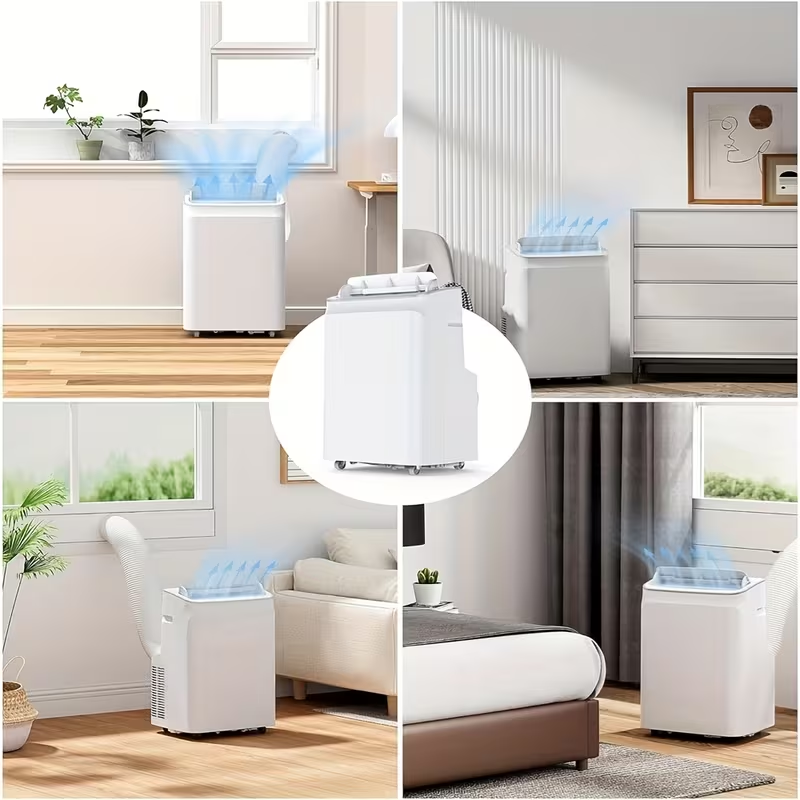
Understanding The Portable Air Conditioners
The Portable air conditioners are versatile cooling solutions specifically designed to provide comfort in various living spaces. Unlike traditional air conditioning systems that require permanent installation, these units are mobile and can be easily moved from one room to another. Their fundamental function is to regulate indoor temperature, but many models serve dual purposes as dehumidifiers and fans, making them ideal for diverse climates and conditions.
The functionality of The portable air conditioners is primarily based on the principle of heat exchange. They draw in warm air from the room, cool it through a refrigerant system, and then expel the cooled air back into the space while venting the hot air outside through an exhaust hose. This cooling process not only lowers the ambient temperature but can also help reduce humidity levels, a feature that is particularly beneficial in humid environments.
Portable air conditioners have gained immense popularity among homeowners, renters, and apartment dwellers due to their ease of use and energy efficiency. With the growing preference for adaptable living spaces, these units have become a convenient solution for individuals who may not want to commit to larger, fixed cooling systems. They require minimal installation efforts and can often be operational within minutes of being unpacked, providing immediate relief during hot weather.
Additionally, many portable air conditioners come equipped with advanced features such as programmable timers, remote controls, and adjustable airflow settings, allowing users to tailor their cooling preferences. As such, they represent a practical and flexible choice for those seeking effective and efficient cooling solutions without the complexity of traditional AC units.
Understanding the Mechanism of Portable Air Conditioners
Portable air conditioners have become increasingly popular as a convenient and efficient solution for cooling single rooms and smaller spaces. The inner workings of these units revolve around three key components: the evaporator, compressor, and condenser. Each component works in unison to facilitate both air cooling and dehumidification.
The process begins with the evaporator, where the warm, internal air is drawn in by a powerful fan. This air passes over the evaporator coils, which contain a refrigerant that absorbs heat from the air. As the air cools, it loses moisture, effectively reducing the humidity levels in the room. This initial step is crucial in providing a comfortable living environment, especially in warmer climates.
Next, the heated refrigerant is transported to the compressor. The compressor plays a vital role by compressing the gaseous refrigerant, raising its temperature and pressure. This pressurization process transforms it into a high-energy gas that is ready for further cooling. The efficiency of the compressor is critical, as it determines how effectively the unit can cool a space.
Following the compressor, the hot gas moves to the condenser, which expels the accumulated heat into the external environment. Here, the refrigerant cools down and reverts to a liquid state, allowing it to return to the evaporator and continue the cooling cycle. This closed-loop system ensures that the portable air conditioner can maintain a consistent temperature while circulating filtered air back into the room.
Overall, the simplicity and efficiency of these components working together make portable air conditioners a practical choice for anyone in need of targeted cooling solutions in smaller areas, offering both comfort and dehumidification capabilities.
Portable air conditioners have gained significant popularity due to their numerous advantages that cater to varying needs and environments. One of the primary benefits of these units is their energy efficiency. Unlike traditional central air conditioning systems that cool entire homes—a costly endeavor—portable air conditioners cool specific areas, resulting in reduced energy consumption. This means users can enjoy a comfortable environment while saving on electricity bills.
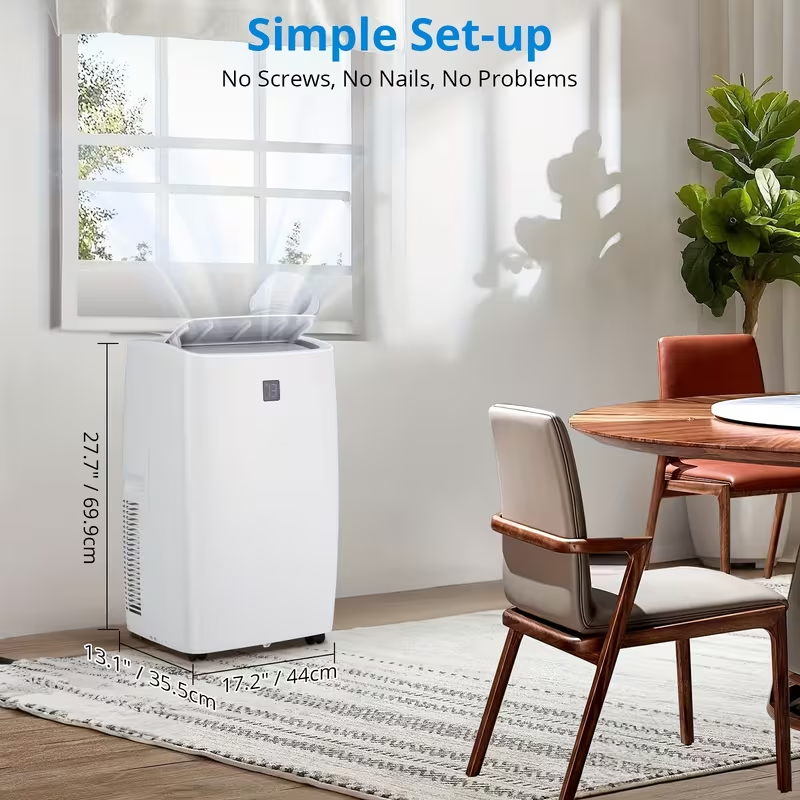
Ease of installation is another compelling advantage. Most portable air conditioners come with simple installation kits that allow users to set them up without professional help. Typically, these units require minimal assembly; users only need to attach a flexible exhaust hose to a window kit. This straightforward process makes them an appealing option for individuals residing in rental properties or temporary accommodations where permanent installations are not permitted.
Additionally, mobility is a key feature of portable air conditioning units. Their compact design and built-in caster wheels allow users to easily move them from one room to another. Whether it’s relocating a unit from the living room to the bedroom during the night or bringing it out to a home office on a hot day, these air conditioners provide exceptional flexibility. Such adaptability is especially beneficial in multi-purpose areas or when accommodating varying cooling needs throughout the day.
Moreover, portable air conditioners are suitable for various environments, including homes, rental units, and office spaces. Their versatility allows users to create micro-climates tailored to their preferences without having to rely on central cooling systems. This is particularly useful in shared spaces, where individuals might have different comfort levels. Overall, the ability of portable air conditioners to provide targeted cooling solutions further enhances their appeal in today’s diverse living and working arrangements.
Detailed Review of the Portable Air Conditioner, 3in 1 Standing Cooling AC Unit
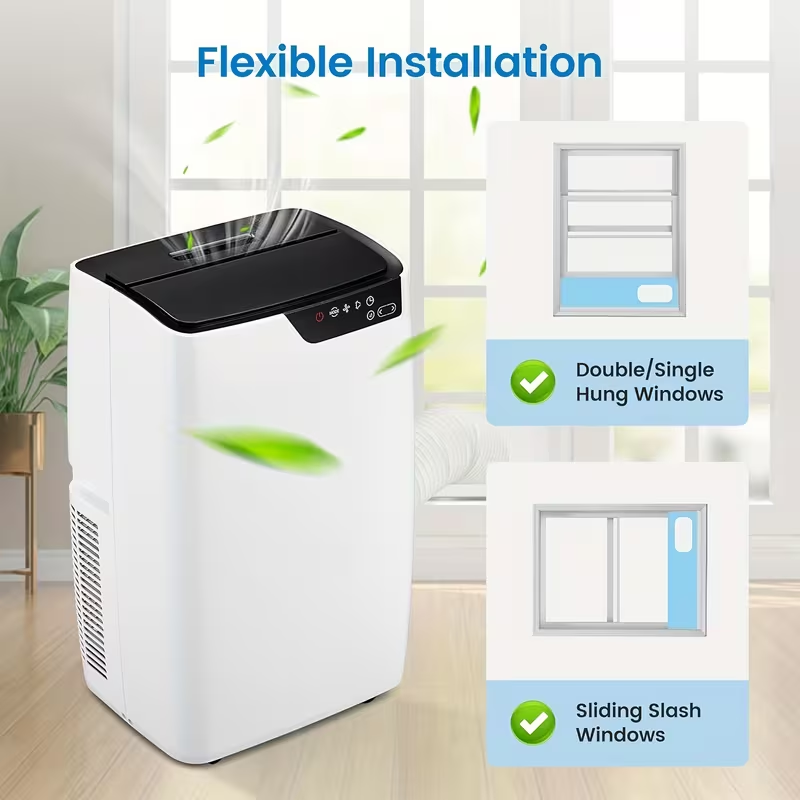
The Portable 3-in-1 Standing Cooling AC Unit is a versatile solution designed to provide comfort in various climates. This unit integrates three functions—air conditioning, fan, and dehumidifier—making it a multifunctional appliance suitable for year-round use. Its primary purpose is to deliver efficient cooling performance while also providing airflow and moisture control.
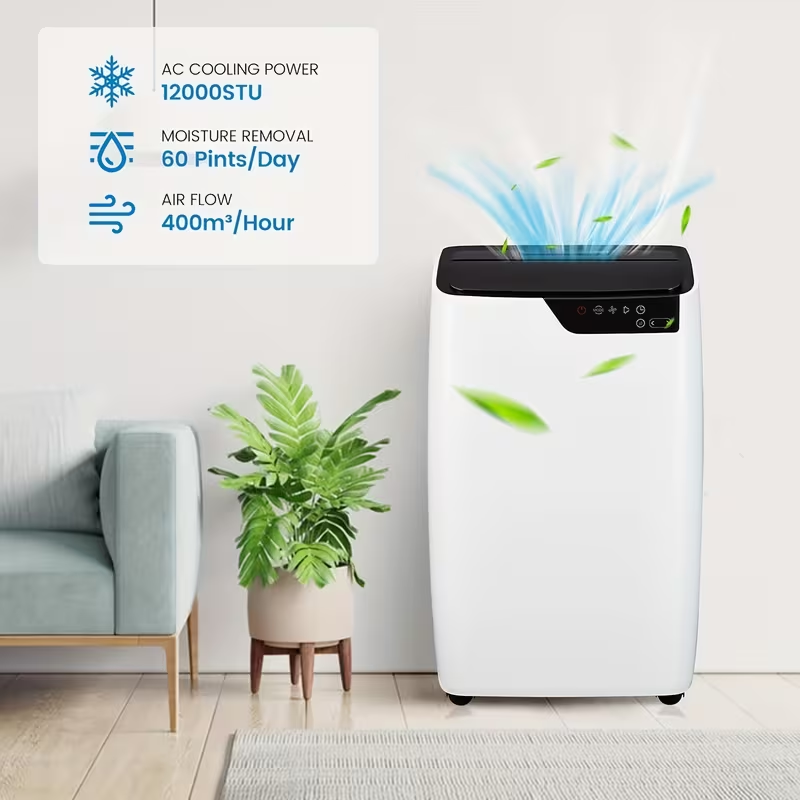
When assessing the cooling performance, it is noteworthy that this unit features an impressive cooling capacity of up to 12,000 BTUs, capable of cooling rooms sized between 300 to 400 square feet effectively. Users have reported significant temperature drops within minutes of operation, making it ideal for bedrooms, living spaces, or home offices. The noise level during operation is relatively low, hovering around 52 decibels, allowing for quiet environments conducive to relaxation or productivity.
The dehumidifying capabilities of this portable AC unit are also commendable. It can remove up to 3 liters of moisture per hour, helping to alleviate excess humidity in the air, which is particularly beneficial in warmer climates or during the monsoon season. Switching to fan mode offers additional versatility, providing breezy air circulation without the cooling effect, which can be preferred on milder days.
In terms of design, the unit boasts a sleek, modern appearance and is compact, making it easy to integrate into existing room aesthetics. With dimensions of approximately 32 x 15 x 15 inches, it does not consume excessive floor space. Portability is enhanced by the inclusion of wheels, allowing easy movement from room to room.
For optimal performance, it is recommended to place the cooling unit in a well-insulated room. Use cases can include studio apartments, small offices, or even larger bedrooms during hot summer months. Overall, this portable unit stands out as a practical cooling solution, balancing performance with convenience.
Detailed Review of the Advanced Portable Air Conditioner with Dehumidifier and Fan Mode
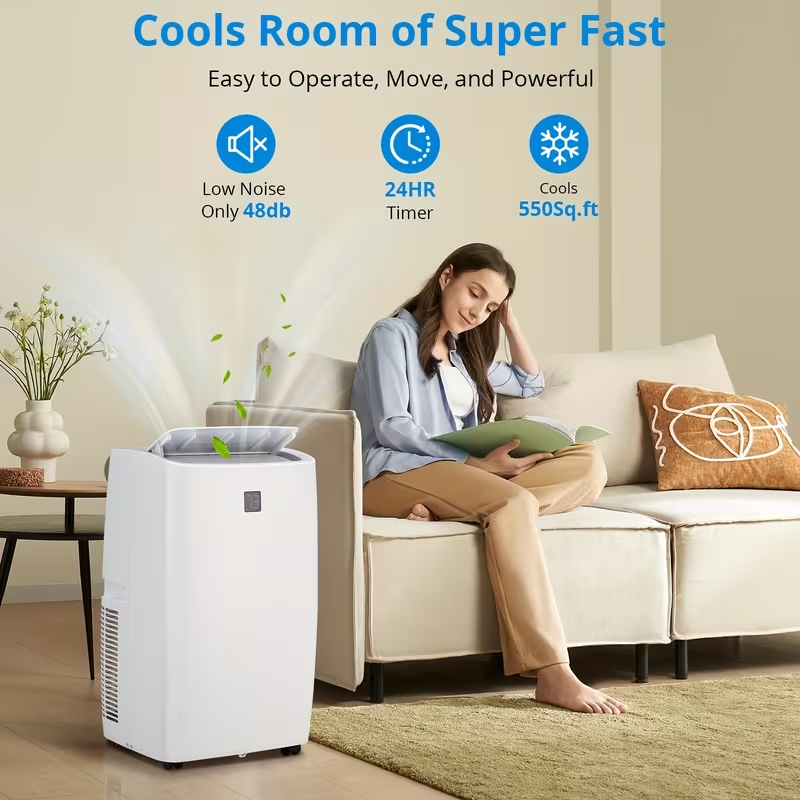
The Advanced Portable Air Conditioner with Dehumidifier and Fan Mode integrates versatility into one compact unit, making it an ideal solution for maintaining a comfortable environment in various settings. This multi-functional device excels in providing cooling, dehumidification, and air circulation, catering to diverse climate needs.
Its cooling performance stands out, effectively lowering room temperatures with an impressive BTU rating suitable for spaces up to 450 square feet. This makes it an ideal candidate for living rooms, bedrooms, or even home office setups. Users can easily manage comfort levels, whether during hot summer days or humid nights, ensuring a consistently pleasant atmosphere.
Equipped with a dehumidifier, this air conditioner efficiently removes excess moisture from the air, enhancing indoor air quality and reducing the likelihood of mold and mildew development. This feature is particularly beneficial in locations that experience high humidity levels, allowing the air conditioner to serve dual purposes effectively.
The fan mode offers an alternative means of air circulation, ideal for transitioning seasons or mild weather conditions. Users can switch to this mode to maintain airflow without the need for excessive cooling, optimizing energy efficiency while still creating a comfortable environment.
Aesthetic design is another highlight, with sleek contours and a stylish finish that complements modern interiors. Its dimensions are thoughtfully crafted to ensure portability; the unit features caster wheels and a lightweight body, making it easy to relocate between rooms as needed.
This portable air conditioner is best suited for medium-sized rooms and can be particularly useful in scenarios such as family gatherings, home offices requiring climate control, or unusually warm nights in the bedroom. Its versatility makes it a valuable addition to any home, ensuring comfort when it’s needed most.
Detailed Review of the Portable Air Conditioner, 3-in-1 Air Conditioner
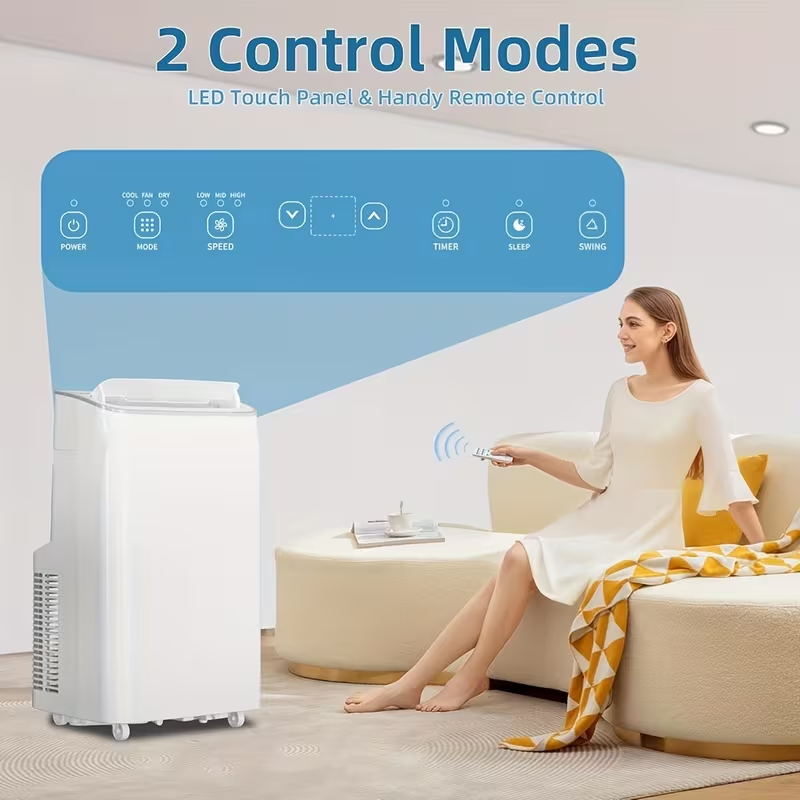
The Portable 3-in-1 Air Conditioner is an innovative appliance that combines cooling, dehumidifying, and fan functionality in a single unit, making it a versatile solution for various indoor climates. One of the standout features of this air conditioner is its impressive cooling efficiency. Designed to effectively cool spaces ranging from 200 to 400 square feet, it excels in medium-sized rooms, such as bedrooms and home offices. With an adjustable thermostat, users can set their desired temperature, and the air conditioner promptly responds to maintain a comfortable environment.
In addition to its cooling capabilities, the Portable 3-in-1 Air Conditioner also serves as an efficient dehumidifier. This feature is particularly beneficial in humid climates, as it removes excess moisture from the air, helping to prevent mold growth and promoting a healthier indoor atmosphere. The unit typically has a continuous drainage option, which can be linked to a drain or positioned over a sump to alleviate the need for regular emptying of the water tank.
The fan function adds further versatility, providing three speed settings to accommodate different comfort levels. Whether users prefer a gentle breeze for relaxation or a stronger airflow for quick temperature relief, this air conditioner can adapt to their needs. Design is another key factor; most portable models feature wheels for easy mobility, and a compact structure that allows for placement almost anywhere within a room.
While the Portable 3-in-1 Air Conditioner excels in both functionality and portability, users should consider positioning it near windows for optimal exhaust venting, which enhances its cooling effectiveness. In summary, this appliance is well-suited for individuals seeking a flexible air conditioning solution that adapts to varying indoor conditions while providing reliable cooling, dehumidification, and ventilation.
Product Comparison: Performance, Flexibility, and Ease of Use
When considering portable air conditioners, it is imperative to evaluate their performance, flexibility, and ease of use. This section provides an analytical comparison of three leading 3-in-1 cooling solutions, each notable for their unique features. Below, you will find a summary highlighting their key attributes regarding cooling power, installation, mobility, power consumption, and user-friendliness.
- Model A
- Cooling Power: 12,000 BTU – efficiently cools rooms up to 400 square feet.
- Installation: Portable design with rolling casters and a straightforward window installation kit.
- Mobility: Lightweight construction allows easy relocation between rooms.
- Power Consumption: Energy-efficient, consuming approximately 1.5 kWh per hour.
- User-Friendliness: Equipped with a user-friendly remote control and an intuitive digital display.
- Model B
- Cooling Power: 10,000 BTU – ideal for smaller spaces up to 300 square feet.
- Installation: Tool-free assembly with easy-to-follow instructions for quick setup.
- Mobility: Compact design, making it easier to transport and store.
- Power Consumption: Slightly higher consumption at 1.7 kWh per hour.
- User-Friendliness: Features a large LED display and mobile app connectivity for remote operation.
- Model C
- Cooling Power: 14,000 BTU – powerful enough for larger areas up to 500 square feet.
- Installation: Requires minimal effort; however, window adapter may require adjustments.
- Mobility: Slightly heavier but comes with robust wheels for easier maneuverability.
- Power Consumption: Consumes around 1.4 kWh per hour, balancing power and efficiency.
- User-Friendliness: Equipped with a programmable timer and advanced control features.
This comparison illustrates the distinct attributes of each model, allowing consumers to make an educated decision based on their specific needs for cooling, mobility, and user engagement. Each of these portable air conditioners provides valuable features, ensuring a versatile solution for various environments.
Portable Air Conditioner A: Overview
This portable air conditioner is well-regarded for its energy efficiency. With a high energy efficiency ratio (EER), it consumes significantly less power compared to traditional units. Setup is straightforward, with clear instructions that facilitate a quick installation process. Its compact design allows for easy mobility, making it ideal for both residential and office environments. Additionally, this model features a quiet operation mode, which is a distinct advantage in noise-sensitive settings.
However, some users have reported limitations in its cooling capacity, particularly in larger rooms. It may struggle to maintain a comfortable temperature in spaces exceeding 400 square feet, which could be a drawback for those seeking performance in more expansive areas. Furthermore, despite its quiet mode, at higher settings, the operational noise can still be intrusive for some users.
Portable Air Conditioner B: Overview
The second model offers a robust cooling performance and is highlighted for its versatility. This unit not only cools but also functions as a dehumidifier and fan, embodying the 3-in-1 feature that enhances its appeal. Users appreciate its intuitive controls and digital display, contributing to an effortless user experience. Many have noted its effectiveness in quickly cooling down spaces and its automatic temperature regulation feature, which maintains a steady environment.
On the downside, it is often cited for being slightly bulkier than its counterparts, which can complicate mobility. While it includes a drainage system for the dehumidification process, some users find that it requires frequent emptying, particularly in humid conditions. Additionally, noise levels at peak operation can be more pronounced, potentially affecting its suitability for nighttime use.
Portable Air Conditioner C: Overview
This third option stands out mainly for its affordability and efficient energy use. It has been designed with a focus on budget-conscious consumers while still delivering effective cooling solutions. The ease of setup is a shared positive, with most users reporting that they were able to install it independently in under an hour. Its sleek design appeals to those looking to integrate the unit into their interiors without compromising aesthetics.
Nonetheless, its cooling performance may not meet the expectations of users in warmer climates or larger apartments. It is generally effective for small to medium spaces but might not suffice for those needing extensive cooling capabilities. Additionally, feedback indicates that consistent use can lead to increased wear and tear, which could impact its longevity. Users also mention that it may not have as many advanced features as other models, which could deter those seeking technology-enhanced solutions.
Considerations When Choosing a Portable Air Conditioner
When selecting a portable air conditioner, it is crucial to assess several key factors to ensure that you choose a model that meets your cooling requirements. One of the primary considerations is the size of the room where the unit will be used. Portable air conditioners are rated by their cooling capacity, typically measured in British Thermal Units (BTUs). It is essential to select a unit that is adequately sized for your space; a larger room will require a unit with a higher BTU rating to maintain a comfortable temperature effectively.
Energy efficiency is another vital factor to evaluate. Look for models with high Energy Efficiency Ratio (EER) ratings or those that are Energy Star certified. These units not only cool your space effectively but also save on energy bills, significantly reducing long-term operational costs. An energy-efficient portable air conditioner minimizes environmental impact while delivering optimal performance.
Noise levels can greatly affect comfort when using a portable air conditioner. Units designed with quieter operating noise levels typically provide a more pleasant environment, especially in homes where silence is preferred, such as during restful hours. Ensure to check the decibel rating of the model and choose one that aligns with your tolerance for noise.
Additionally, consider the additional features offered by the unit. Many portable air conditioners include a dehumidifier function, which can be particularly beneficial in humid climates. A fan mode can also add versatility, allowing the appliance to be used for more than just cooling. Furthermore, warranty and customer service should not be overlooked. A generous warranty and responsive customer support can provide peace of mind and protection for your investment.
Final Recommendation
When selecting a portable air conditioner, it is crucial to consider the specific needs of each user type, be it homeowners, renters, or office spaces. Each environment has unique requirements that can influence the decision-making process.
For homeowners, the Whynter ARC-14S emerges as the optimal choice. Its dual-hose system allows for efficient air circulation, making it effective even in larger spaces. With a cooling capacity of 14,000 BTU, it is capable of keeping the temperature down during the hottest days of summer. Additionally, its capability to function as a dehumidifier and fan offers homeowners versatility they can appreciate, especially in varying weather conditions.
For renters looking for portability and ease of installation without permanent modifications, the Honeywell MN10CESWW stands out as an excellent option. This model is user-friendly and does not require permanent ducting or specialized installation. Its compact size allows it to fit in various environments, making it perfect for smaller apartments that need effective cooling without permanent fixtures. Moreover, its relatively lightweight design enhances mobility, allowing renters to relocate it as needed.
In an office setting, the BLACK+DECKER BPACT14WT is a particularly suitable option. With a cooling capacity of 14,000 BTU, it can manage medium to large room sizes typical in business environments. Furthermore, this air conditioner operates quietly, which is ideal for maintaining a professional atmosphere without disruptive noise. Its various features tailored for efficiency, along with ease of use, significantly benefit office users looking to increase comfort during work hours.
In conclusion, the best portable air conditioner varies according to user needs. Homeowners should lean towards units with higher BTU ratings and dual-hose systems for efficiency, renters should prioritize convenience and portability, while office spaces benefit from models that operate quietly and maintain larger areas effectively.