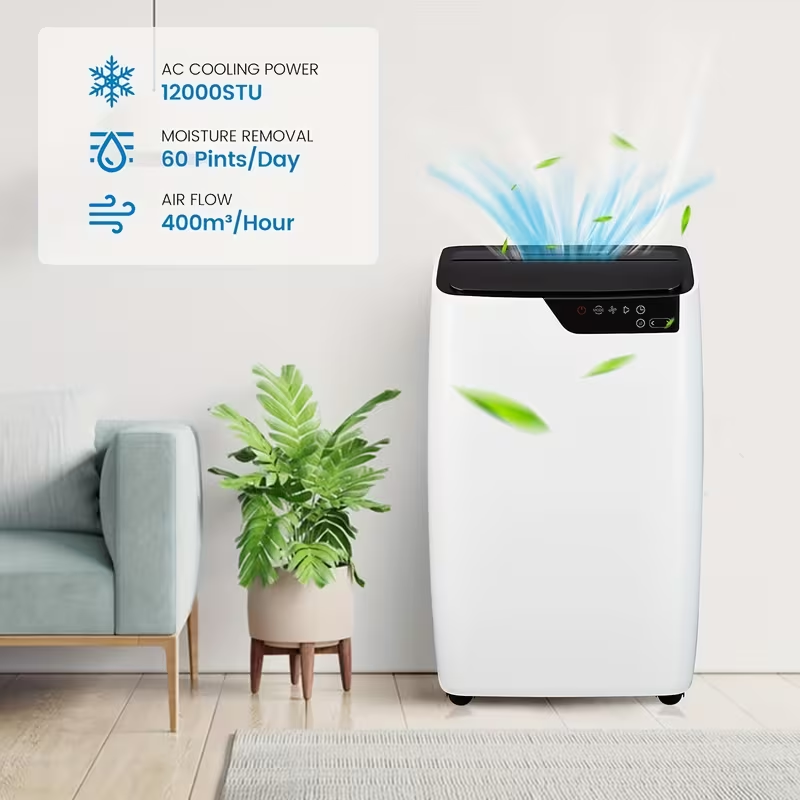
Introduction: The Rise of Portable Air Conditioners
In contemporary living environments, the rise of portable air conditioners has marked a significant trend in climate control solutions. As urbanization continues to increase, many individuals find themselves living in small homes and apartments where space is at a premium. Traditional centralized air conditioning systems often prove to be impractical in these settings due to their installation complexity and the lack of dedicated space for bulky units. Portable air conditioners have emerged as the ideal alternative, balancing performance with convenience.
One of the key advantages of portable air conditioners lies in their flexibility. These units can be easily relocated from one room to another, allowing users to customize their cooling experience according to their specific needs. For instance, during the scorching heat of summer, one can conveniently move the unit into the living area during the day and then transfer it to the bedroom at night. Thus, ensuring optimal comfort in various living spaces without the requirement for extensive plumbing or modifications.
Ease of installation further complements the appeal of portable air conditioners. Unlike traditional systems that often necessitate professional installation, a portable unit typically requires minimal setup, often involving simply attaching an exhaust hose to a window. This straightforward process not only saves time but also allows individuals to enjoy immediate relief from the heat without significant investments in time or money.
Energy efficiency is another prominent benefit, as modern portable air conditioners are designed to consume less power compared to their window counterparts. As awareness of climate change and energy costs increases, selecting energy-efficient cooling options becomes paramount for many households. Consequently, portable air conditioners are becoming the preferred choice for urban dwellers seeking a balance between comfort, affordability, and environmental responsibility.
Choosing the Right Portable Air Conditioner: Features to Consider
When selecting a portable air conditioner for your home, several key features should be evaluated to ensure you make a well-informed purchase. One of the first specifications to consider is the BTU (British Thermal Unit) output. The BTU rating of a portable air conditioner indicates its cooling capacity. A unit with a higher BTU is suitable for larger spaces, while lower BTU ratings are ideal for smaller rooms. Customizing the BTU output to the size of the room will enhance efficiency, preventing excessive energy consumption.
Energy efficiency ratings are another crucial factor. Look for units with the ENERGY STAR label, as they comply with stringent energy efficiency guidelines. This label not only signifies effective cooling capabilities but also helps in reducing electricity bills over time. Additionally, consider the portable air conditioner’s energy consumption and whether it operates with a standard outlet or requires specific electrical standards.
Portability is a significant consideration for many users. Features such as caster wheels and a lightweight design facilitate easy movement around the house. Furthermore, noise levels impact user experience; thus, selecting a model with a low decibel rating will ensure that the operating noise remains within comfort limits, especially during night hours.
Functionality also plays a vital role in enhancing performance. Many modern portable air conditioners come equipped with humidity control features that not only cool the air but also manage moisture levels, thereby improving indoor air quality. Additional fan modes can provide versatility, allowing users to customize airflow according to their preferences. Lastly, the inclusion of a window installation kit facilitates proper venting, enhancing the cooling efficiency of the unit.
Considering these features will guide potential buyers in selecting a portable air conditioner that meets their cooling needs, ensuring optimal comfort and satisfaction.
Top Product Review: Portable Air Conditioners with Dehumidifier and Fan Mode
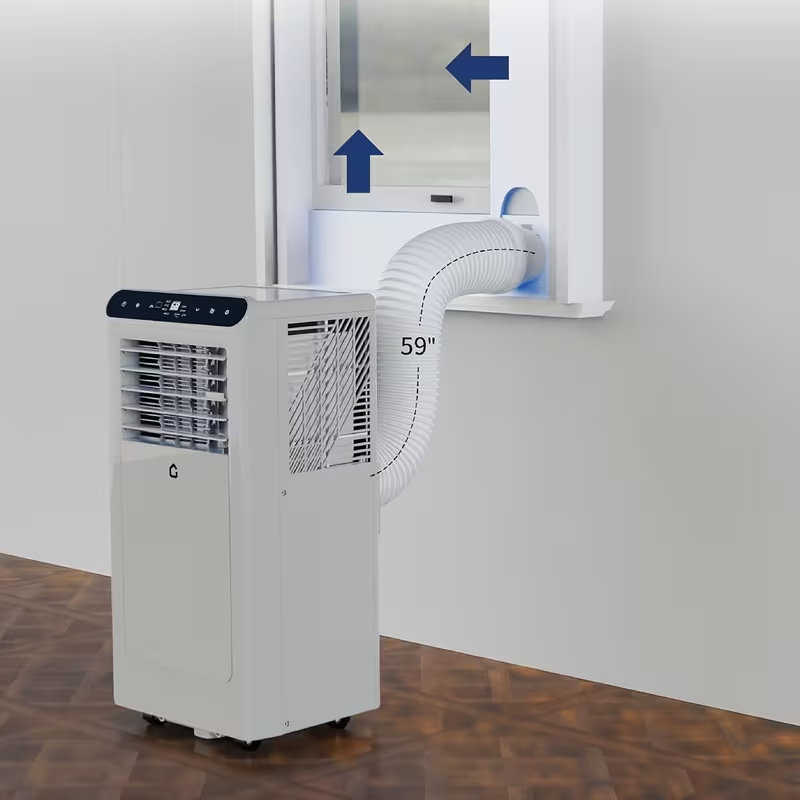
When selecting a portable air conditioner, particularly models equipped with dehumidifier and fan modes, two products have consistently received high praise for their performance and versatility: the BLACK+DECKER BPACT08WT and the Whynter ARC-14S. Below is a detailed examination of each model that will assist potential buyers in making an informed choice.
The BLACK+DECKER BPACT08WT is a compact unit designed for small to medium-sized rooms. It offers a cooling capacity of 8,000 BTUs, making it suitable for spaces up to 100-150 square feet. One of its notable features is the integrated dehumidifier that can remove up to 61.2 pints of moisture per day. Users have praised its lightweight design, which makes it easy to move around the house. Additionally, the unit includes a fan mode, enabling users to circulate air without cooling.
However, despite its numerous strengths, the BLACK+DECKER model has drawn criticisms, particularly regarding the noise levels when operating at higher settings. Some customer reviews highlight challenges with the installation process, as the included window kit may not fit all window types seamlessly.
On the other hand, the Whynter ARC-14S boasts a powerful 14,000 BTU cooling capacity, making it ideal for larger areas of up to 500 square feet. It also features a dual-hose system that facilitates more efficient cooling while enhancing dehumidification. Many users appreciate its eco-friendly design, highlighting its low noise levels relative to similar products.
While the Whynter model excels in performance, it comes at a higher price point, which may deter some consumers. Additionally, some reviews note that its unit can be bulky, making it more challenging to transport compared to more compact models.
Ultimately, both the BLACK+DECKER BPACT08WT and the Whynter ARC-14S exhibit strong functionality in providing cooling, dehumidification, and fan capabilities, but the choice between them can be made based on individual room size and budget considerations.
Advantages of Window Kit Portable Air Conditioners
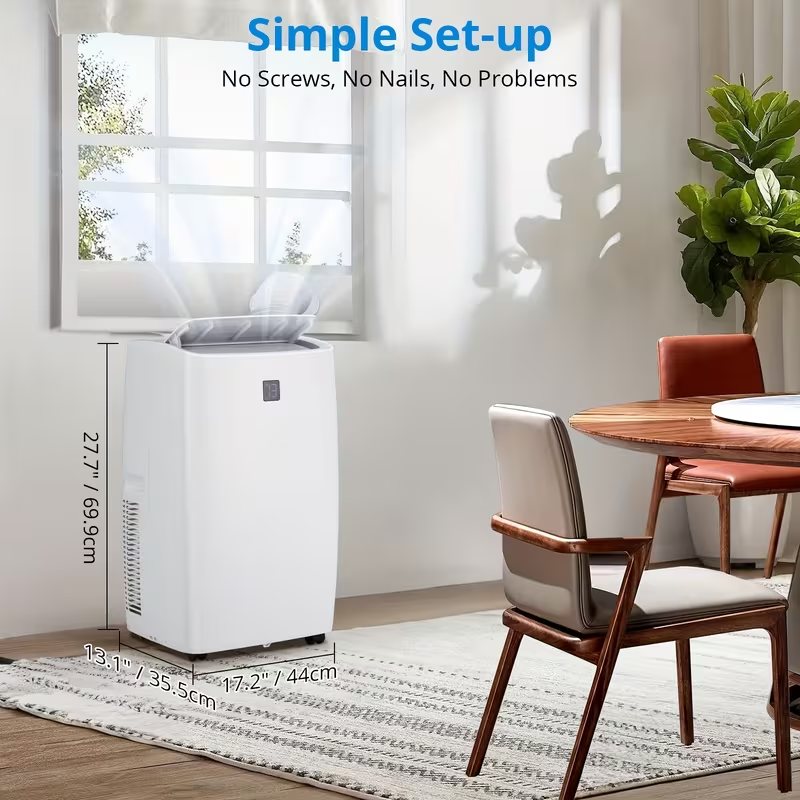
Window kit portable air conditioners have emerged as an efficient cooling solution for modern homes, providing both convenience and effectiveness. One of the primary advantages of using a window kit is its enhanced cooling capacity. This system functions by expelling hot air outside through a window, which mitigates the intake of unwanted warm air back into the space. This efficiency allows portable units to maintain a more stable temperature, ensuring that the home remains comfortable even during sweltering summer months.
The installation process for a window kit portable air conditioner is notably straightforward. Typically, manufacturers provide a comprehensive installation kit that includes everything needed to securely attach the unit to most standard window types. Homeowners should follow the step-by-step instructions included in the kit, ensuring that all gaps are sealed to enhance efficiency even further. Additionally, it is advisable to choose a model that fits the specific dimensions of the window to ensure optimal performance.
When considering product recommendations, models such as the BLACK+DECKER 8,000 BTU Portable Air Conditioner and the Whynter 14,000 BTU Portable Air Conditioner have received positive reviews for their cooling capabilities and ease of installation. Both options come equipped with a window kit accessory, allowing users to benefit from an effective setup right from the start.
Regular maintenance practices are essential for maximizing the performance of a window kit portable air conditioner. Users should routinely check and clean the air filters and ensure that the exhaust hose is free from obstructions. This not only prolongs the life of the unit but also maintains its energy efficiency.
By incorporating a window kit, households can effectively leverage portable air conditioners to create a comfortable environment without the complexities of traditional systems. This makes them an ideal choice for those seeking versatility and practicality.
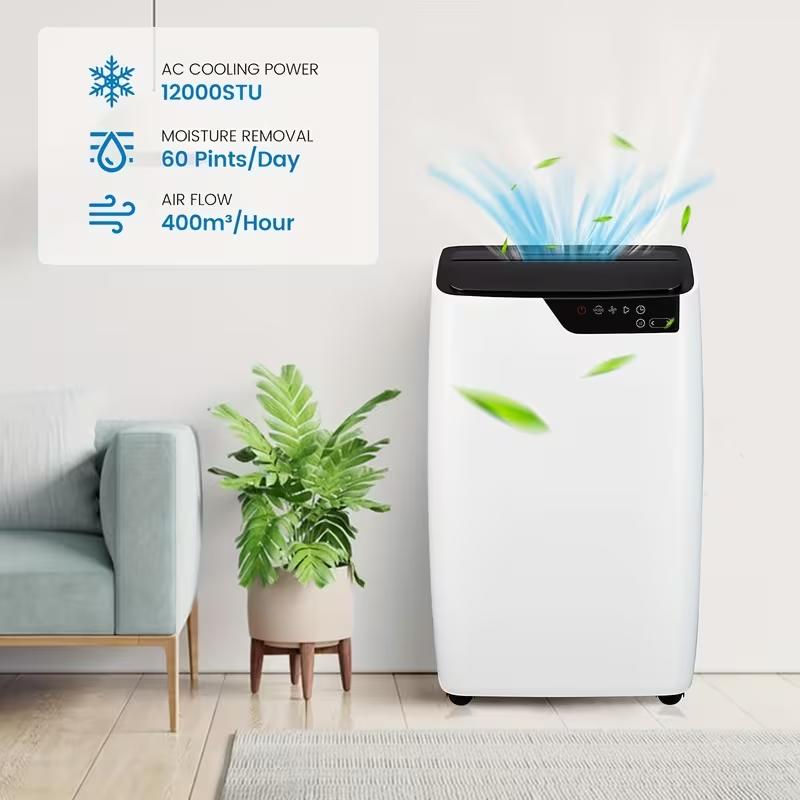
Understanding 3-in-1 Portable Air Conditioners
The growing popularity of portable air conditioning units can be attributed to their flexibility and efficiency in climate control. A 3-in-1 portable air conditioner combines three essential functions: cooling, fan, and dehumidification, all in a single, compact design. This multifunctionality makes it a practical solution for managing indoor temperatures across various settings such as homes and offices.
One of the primary advantages of a 3-in-1 portable air conditioner is its capability to cool spaces effectively. During the hot summer months, this unit provides a refreshing escape from rising temperatures, ensuring that occupants remain comfortable. Furthermore, the integrated fan function allows for optimal air circulation, promoting a steady airflow that enhances the cooling effect while maintaining a pleasant atmosphere.
Additionally, the dehumidification feature plays a significant role in controlling humidity levels, which can be particularly beneficial in humid climates. By removing excess moisture from the air, individuals can not only feel cooler but also reduce the likelihood of mold growth and allergens in their living or working environments. This is essential for maintaining a healthy indoor climate.
Moreover, the compact design of portable air conditioners allows for easy relocation from room to room, catering to various needs throughout the day. This versatility makes them an appealing option for both residential and commercial spaces. The ability to switch between cooling, fan, and dehumidifier modes promotes energy efficiency, as users can adjust the unit’s function based on their requirements without having to invest in multiple devices.
In-Depth Product Review: Portable Air Conditioner Model A
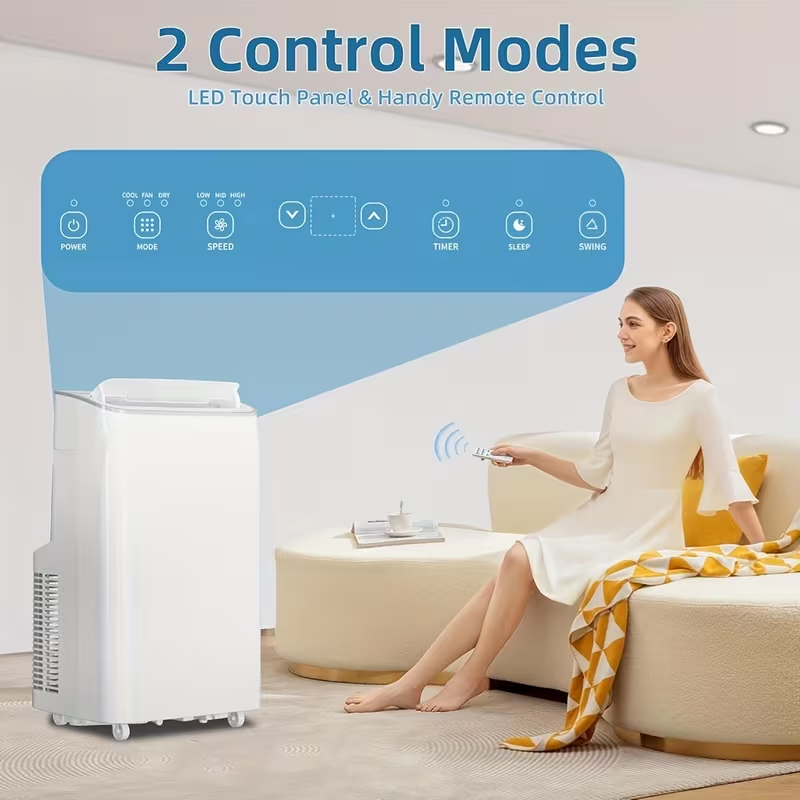
Portable Air Conditioner Model A stands at the forefront of modern cooling technology, delivering exceptional performance that caters to varying room sizes. With a BTU rating of 12,000, this model is capable of efficiently cooling spaces up to 400 square feet, making it ideal for living rooms, bedrooms, and small office environments. Users can expect rapid cooling, thanks to the optimal design and technology featured in this unit.
One of the most notable attributes of Model A is its 3-in-1 functionality, which includes air conditioning, fan, and dehumidifying capabilities. This versatile feature allows users to select the appropriate mode based on their immediate needs, enhancing overall indoor comfort throughout the year. The air conditioning mode efficiently lowers temperatures, while the fan function circulates air, and the dehumidifier reduces humidity levels, creating a balance
In terms of design, Model A is lightweight and compact, weighing approximately 60 pounds and featuring dimensions that make it easy to store when not in use. Portable wheels facilitate mobility, allowing users to transition effortlessly from room to room. This flexibility is especially advantageous in multi-room households or during gatherings.
Noise levels are also a crucial factor for potential users. Model A operates at a sound level of approximately 56 decibels on its lowest setting, making it suitable for use in quieter environments such as bedrooms or offices. This ensures that individuals can enjoy optimal comfort without disturbance.
Energy efficiency is another key aspect, as Model A boasts an Energy Efficiency Ratio (EER) that meets contemporary standards. To enhance energy consumption, users are encouraged to operate the unit in energy-saving modes and maintain clean filters. The installation process is straightforward, requiring minimal tools to set up the window vent kit, thereby making it accessible for various skill levels. Ideal use cases range from urban apartments to vacation homes, underscoring the model’s versatility.
In-Depth Product Review: 3-in-1 Standing Cooling AC Unit Model B
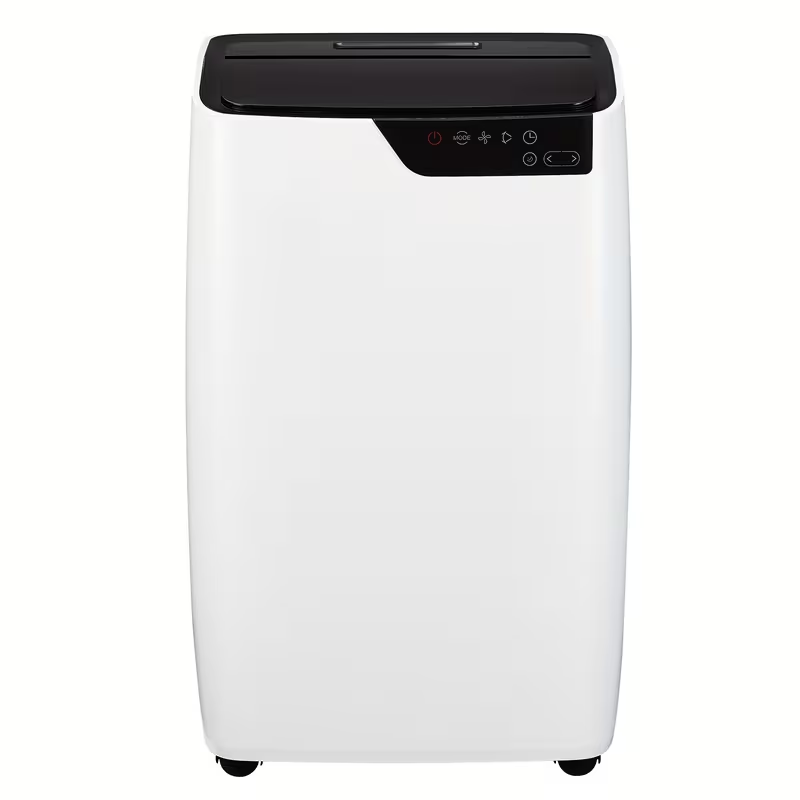
The 3-in-1 Standing Cooling AC Unit Model B showcases superior cooling power and extensive room coverage, making it an appealing alternative to Model A. With a cooling capacity of 12,000 BTUs, it effectively cools spaces up to 450 square feet, enhancing comfort in larger areas compared to its predecessor.
This model offers an impressive 3-in-1 functionality, featuring air conditioning, fan, and dehumidification modes. Users can transition seamlessly between these settings based on their immediate requirements. The performance may vary somewhat from Model A, particularly in dehumidification during high humidity conditions, where Model B excels due to its enhanced moisture removal capability.
Designed with portability in mind, the standing unit provides distinct advantages over traditional portable models. Its sleek and compact design enables easy relocation, while integrated wheels facilitate smooth movement from room to room. This feature is particularly beneficial for individuals seeking flexibility in cooling different spaces, such as living rooms or expansive offices.
Noise levels are often a concern with air conditioning units. Model B operates at a maximum of 55 decibels on its highest setting, which is comparable to Model A. However, when switched to low fan mode, users can experience quieter operations, resembling the sound of a whisper, ideal for nighttime use or concentrated work environments.
Regarding energy efficiency, Model B is designed with eco-friendly features that help minimize electricity costs. On average, operational expenses are significantly lower, making it an economically viable option for long-term use. Additionally, installation is user-friendly; the kit includes everything necessary to set up the window vent in a matter of minutes, ensuring a hassle-free experience.
For optimal performance, it is recommended to deploy this unit in larger living rooms or offices where air circulation plays a critical role in maintaining comfort levels, capitalizing on its advanced cooling and dehumidifying features.
Comparison, Buyer’s Guide, and Expert Tips
When comparing two popular 3-in-1 portable air conditioner models, it is essential to examine their specifications, functionalities, and overall performance. For instance, let’s analyze Model A and Model B. Both units offer cooling, dehumidifying, and fan features, making them ideal for year-round use. However, Model A boasts a higher BTU rating, making it suitable for larger spaces, while Model B is quieter, with a decibel level ideal for bedrooms and smaller living areas. Energy performance is also a differentiating factor; Model A has an energy efficiency ratio (EER) of 12.5, while Model B presents a slightly lower EER of 11 but offers additional energy-saving features.
In terms of user-friendly features, Model A includes a digital thermostat and remote control, enhancing its convenience. Meanwhile, Model B carries a lightweight design which makes it easy to move from room to room, a significant advantage for individuals who frequently need to relocate their cooling solution. Understanding these differences will guide potential buyers in selecting the model that best meets their specific needs.
When choosing the right 3-in-1 portable air conditioner, several key factors should be considered. First, assess the BTU rating, as this correlates directly with the room size it can effectively cool. A model with a BTU rating of around 8,000 is suitable for rooms up to 300 square feet, while those with ratings around 10,000 to 12,000 can handle larger areas. Additionally, consider the noise level; models designed with quiet operational modes are preferable for sleeping environments.
Furthermore, it is prudent to evaluate energy efficiency to minimize utility bills, particularly during peak usage seasons. Pros for each model must also be weighed, such as Model A’s high cooling capacity versus Model B’s operational quietness. Whether the usage scenario is a small apartment or a home needing versatile cooling solutions, reading user reviews and manufacturer specifications will provide clarity.
Lastly, to maximize performance, it is advisable to keep the air filter clean and follow a regular maintenance schedule, which can enhance the unit’s cooling ability while ensuring energy conservation. Hidden hacks for improving efficiency may include positioning the air conditioner away from direct sunlight and utilizing fans to circulate the cooled air more effectively.