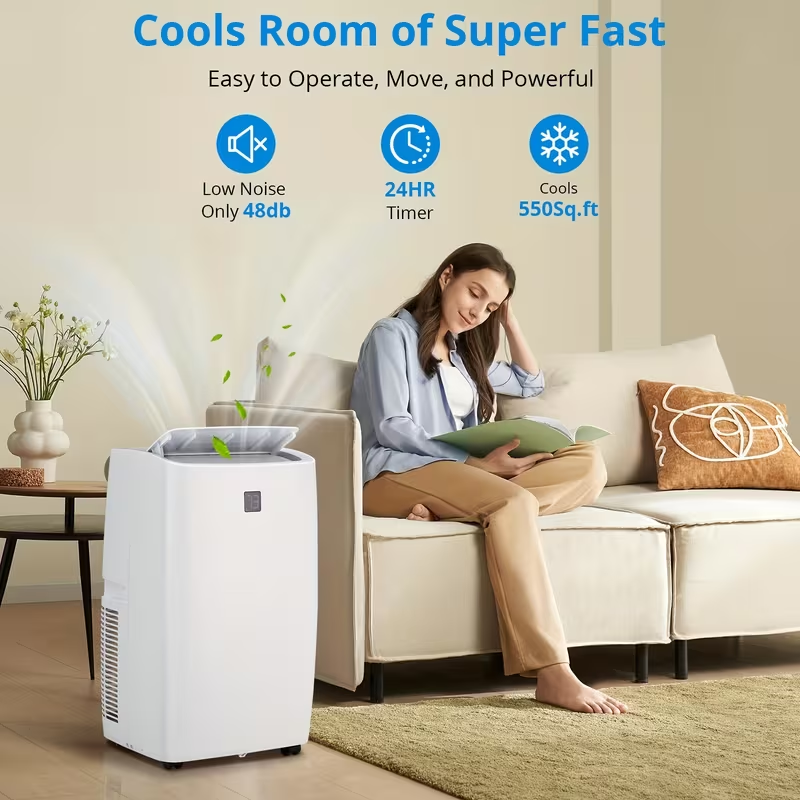
Introduction to Portable Air Conditioners
Portable air conditioners have gained significant traction among consumers seeking efficient cooling solutions for their living and working spaces. Unlike traditional air conditioning units, portable models are designed for flexibility, allowing users to easily move them from room to room. This mobility caters to a range of requirements, particularly in settings where permanent installations are impractical or prohibited, such as apartments, small offices, or temporary residences.
The ease of installation is another factor contributing to the increasing popularity of portable air conditioners. Most models require minimal setup, often involving just the placement of the unit and a simple hose connection to a window for venting. This straightforward process appeals to those who may not possess advanced technical skills or the ability to perform complex installations. As a result, individuals can enjoy a comfortable indoor climate without the hassle of major renovations.
Technological advancements have also played a pivotal role in enhancing the effectiveness and efficiency of portable air conditioners. Modern units often incorporate features such as programmable thermostats, energy-saving modes, and quieter operation, making them more user-friendly and economical. Furthermore, improvements in cooling technology, such as the use of inverter systems, have made portable air conditioners more efficient, allowing them to cool small to medium-sized spaces effectively while consuming less energy.
In summary, the combination of flexibility, ease of installation, and continuous technological innovation positions portable air conditioners as a practical solution for versatile cooling needs. As such, they represent a compelling option for individuals seeking comfort without the commitments associated with more conventional air conditioning systems.
Understanding the Key Features of The Portable Air Conditioners 3-in-1 Air Conditioner
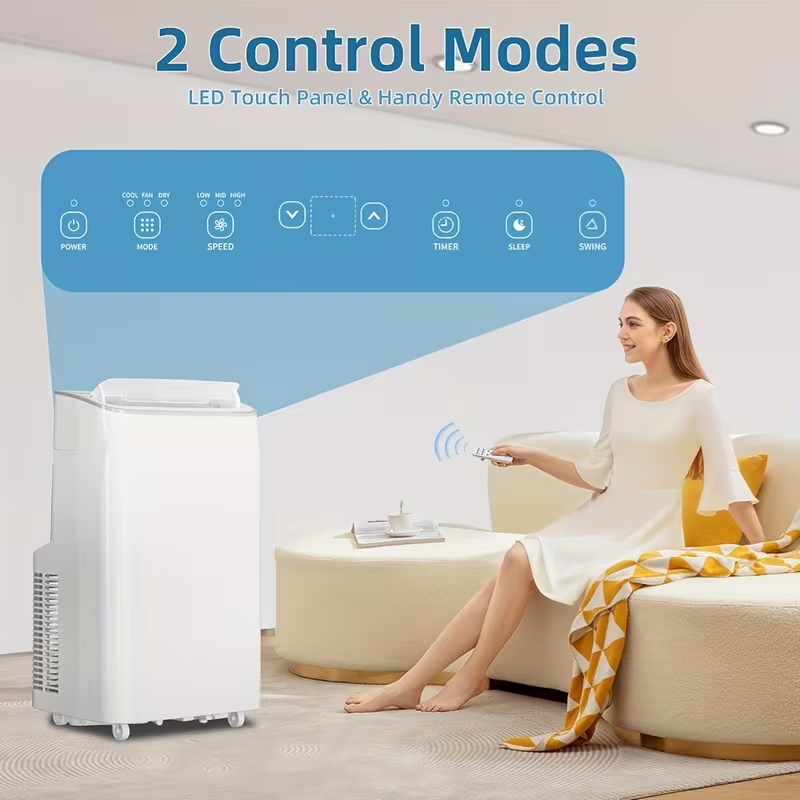
When considering the purchase of a portable air conditioner, understanding its essential features is paramount to making an informed decision. Cooling capacity, often measured in British Thermal Units (BTU), directly correlates with the effectiveness of an air conditioning unit. A higher BTU rating indicates a greater cooling power, suitable for larger spaces, while a lower rating is more efficient for smaller rooms. Selecting the appropriate BTU for your space will ensure cooler temperatures and improved comfort.
Another crucial factor to consider is energy efficiency, commonly represented by the Energy Efficiency Ratio (EER) or Seasonal Energy Efficiency Ratio (SEER). These metrics indicate how effectively the unit produces cooling relative to its energy consumption. Higher EER or SEER ratings mean lower energy bills and more environmentally friendly operation, making this an essential consideration for budget-conscious consumers.
Noise levels also play a significant role in user satisfaction. Portable air conditioners typically generate some sound during operation, and the decibel ratings provide a useful comparison point. For individuals who prioritize a quiet environment, looking for models that advertise lower noise levels will enhance the overall comfort of their spaces, particularly in bedrooms or offices.
Furthermore, additional functionalities can greatly influence your choice. Many portable air conditioners feature built-in dehumidifiers, which help reduce excess moisture in the air, improving comfort during humid weather. Fan modes further enhance versatility, allowing users to utilize draft cooling on less hot days. Features such as programmable timers, remote controls, and easy-to-clean filters also enrich the user experience, adding to the overall convenience of portable air conditioning solutions.
The Portable Air Conditioner with Dehumidifier: Benefits and Features
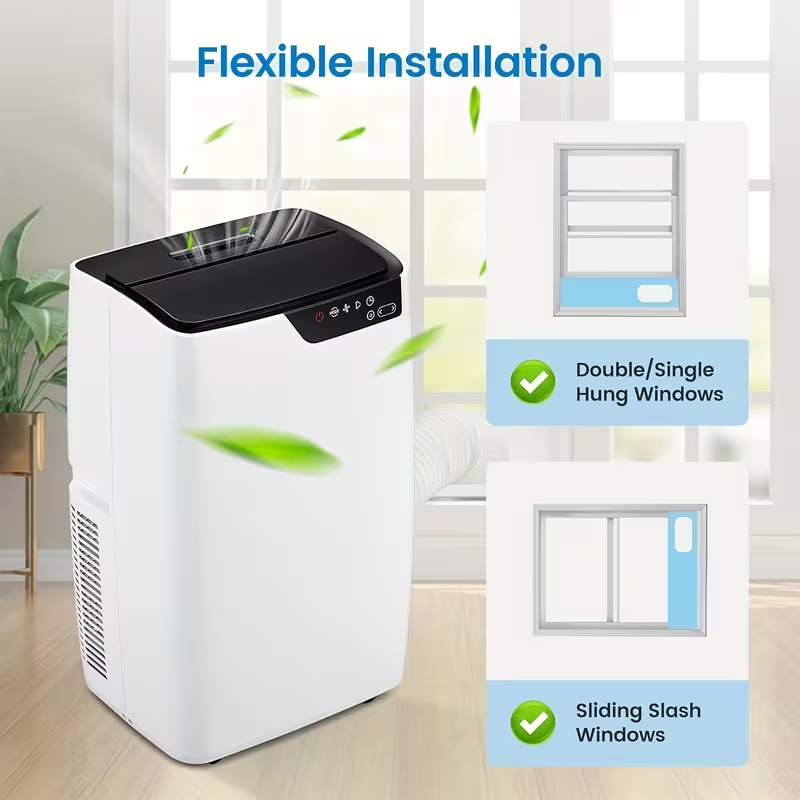
Portable air conditioners that incorporate a dehumidifier function offer substantial advantages for indoor climate control. These units not only cool the air but also help in reducing humidity levels, which can significantly enhance comfort and air quality in living spaces. Understanding the features and benefits of such appliances can aid consumers in making well-informed purchasing decisions.
The dehumidification process within these portable air conditioners operates by extracting moisture from the air, which then condenses on a cooling coil. As the unit runs, warm air is drawn in, conditioned, and expelled, reducing humidity and resulting in a drier environment. This process helps mitigate issues related to excessive moisture, such as mold growth, mildew, and allergens that thrive in high humidity settings.
The benefits of using a portable air conditioner with a dehumidifier extend beyond mere comfort. By maintaining optimal humidity levels, typically between 30% and 50%, these units can create a healthier indoor environment. High humidity can lead to discomfort, making temperatures feel warmer than they are, thus forcing occupants to adjust the thermostat to uncomfortable levels. Moreover, by reducing humidity, the appliance can improve air quality, alleviating respiratory issues for sensitive individuals.
Furthermore, the flexibility offered by portable units makes them suitable for various spaces. Whether in an office, bedroom, or living area, they provide targeted cooling and dehumidification, adapting to diverse needs and preferences. The added benefit of mobility allows users to move the unit from one room to another, ensuring that comfort can be achieved wherever necessary. Overall, the integration of dehumidifying capabilities into portable air conditioners stands as a significant advancement in residential climate control.
The Advanced Portable Air Conditioner with Dehumidifier and Fan Mode
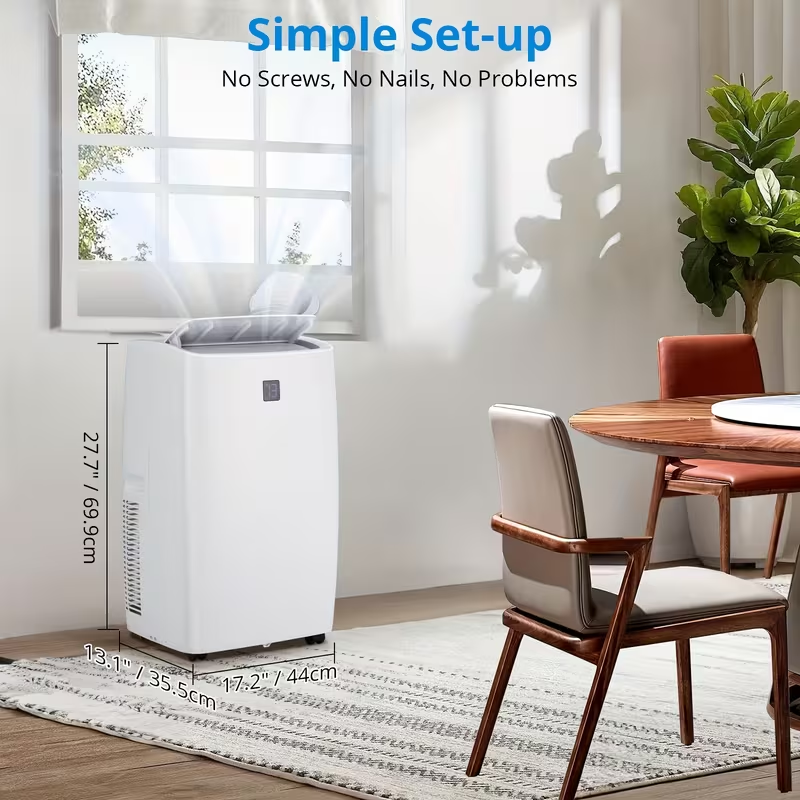
Fan mode is increasingly emerging as one of the most sought-after features in modern portable air conditioners. This function allows users to utilize their air conditioning unit without actively cooling the space, making it a versatile option for various indoor environments. By engaging the fan mode, a portable air conditioner operates as a standard fan, circulating air without altering its temperature significantly. This can be particularly beneficial during transitional weather months when temperatures are moderate, allowing for improved airflow without the need for extensive cooling.
Choosing fan mode over the cooling function can lead to significant energy savings. When the outdoor temperature is quite comfortable, running the air conditioner solely in fan mode can be more efficient, reducing energy consumption and prolonging the unit’s lifespan. This adaptability not only curtails monthly energy bills but also minimizes wear and tear on the appliance. In settings such as homes, offices, or even garages, using fan mode allows for a steady flow of air, which can be sufficient for mild days.
Another benefit of the fan mode is its ability to enhance air circulation. In a closed indoor area, stale air can accumulate, leading to discomfort and an uninviting atmosphere. By activating the fan mode in your portable air conditioner, you can facilitate better air movement, thus ensuring a pleasant indoor environment. This feature can be particularly advantageous if the space is shared with multiple occupants, as it helps maintain a comfortable ambiance. Overall, the fan mode serves not just as an energy-efficient alternative but also as a practical solution for optimal air quality and circulation in your living areas.
Kit Portable Air Conditioner with Dehumidifier: Installation and Benefits
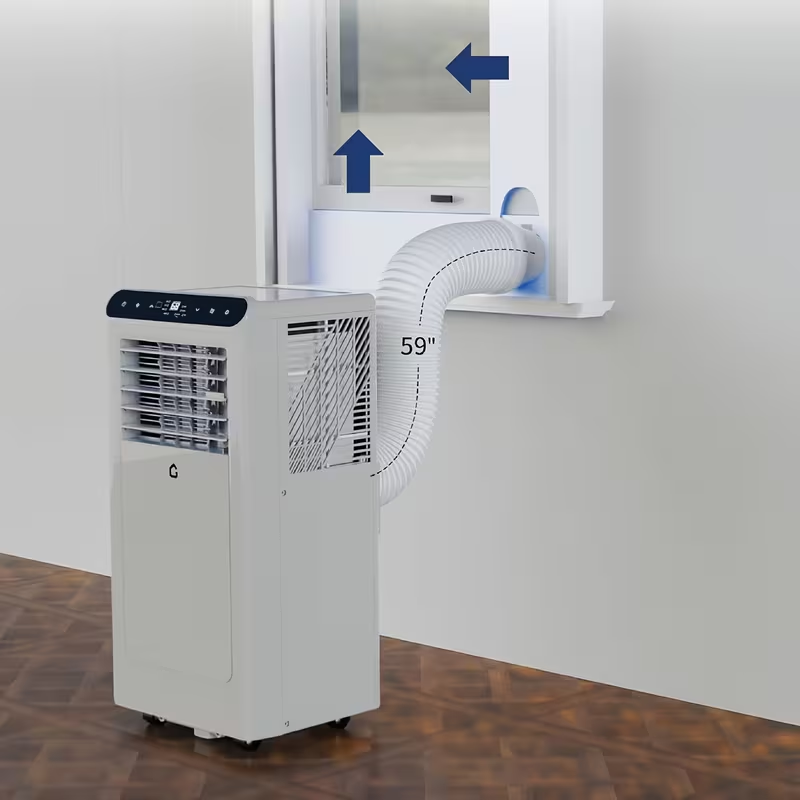
Proper installation of a window kit for portable air conditioners equipped with a dehumidifier feature is essential for ensuring optimal performance and energy efficiency. The effectiveness of your air conditioning unit greatly depends on how well the window kit is installed. An ill-fitted kit can lead to increased heat ingress and decreased cooling efficiency, negatively impacting the overall functionality of the unit.
The installation process typically begins with selecting the right size of the window kit that corresponds with the dimensions of your window opening. Most portable air conditioners come with adjustable window kits that can be customized to fit various window sizes, whether they are sliding or stationary. It is crucial to measure the window dimensions accurately before making any modifications. Once the appropriate size is determined, the next step involves securing the window kit into the window frame, ensuring it is airtight to prevent warm air from infiltrating your living space.
Using the kit not only enhances cooling but also bolsters the dehumidification capabilities of the portable air conditioner. When a portable air conditioner operates, it extracts moisture from the air, which can condense and create excessive humidity within the unit. The installed window kit facilitates the proper venting of hot air and excess moisture outside, significantly enhancing the dehumidification process. As a result, homeowners can experience improved indoor air quality, alongside a consistently cool environment, especially during warm months.
Furthermore, correct installation of the window kit is vital for maintaining the manufacturer’s warranty; any damages resulting from improper setup could void this protection. Therefore, taking the time to install the window kit correctly can not only maximize the efficiency of the air conditioner but also ensure long-term satisfaction with the product. By following the installation instructions provided by the manufacturer, one can ensure that the unit operates at its highest potential, delivering both comfort and efficiency.
Top 4 Portable Air Conditioners Reviewed
Finding the right portable air conditioner can significantly enhance indoor comfort during the hot summer months. Below, we present detailed reviews of four top-rated models, assessing various aspects such as performance, user-friendliness, energy efficiency, and additional features that contribute to their effectiveness.
1. Honeywell MN10CESWW Portable Air Conditioner
The Honeywell MN10CESWW is a standout option for those seeking a balance between performance and energy savings. This unit offers 10,000 BTUs, making it suitable for rooms up to 350 square feet. Users appreciate its quiet operation and ease of use, featuring a handy remote control and straightforward digital display. The built-in dehumidifier feature is an added bonus for humid climates, effectively removing excess moisture while cooling the space.
2. BLACK + DECKER BPACT14HWT Portable Air Conditioner
The BLACK + DECKER BPACT14HWT is a versatile model that functions as an air conditioner and a heater. With a 14,000 BTU capacity, it’s ideal for larger spaces up to 700 square feet. Its balance of modes includes a fan and heat options, making it a year-round solution. The unit is also equipped with a window installation kit and has a user-friendly LED display for ease of control.
3. Whynter ARC-14S Dual Hose Portable Air Conditioner
Renowned for its efficiency, the Whynter ARC-14S features a dual-hose system, which allows it to cool spaces of up to 500 square feet more effectively than many single-hose models. With a 14,000 BTU capacity, it maintains a comfortable environment while utilizing less energy. The integrated dehumidifier is particularly useful, extracting moisture efficiently from the air without excessive energy consumption.
4. LG LP0817WSR Portable Air Conditioner
The LG LP0817WSR is a compact yet powerful model, rated at 8,000 BTUs. It is perfect for small to medium rooms and offers a reliable and energy-efficient cooling experience. This unit includes a 24-hour timer and multiple fan speeds, allowing users to tailor the cooling to their personal preferences. A notable feature is its easy-to-install kit, simplifying the setup process for first-time users.
These selections encompass a range of features and performance levels, allowing potential buyers to choose a portable air conditioner that suits their specific needs. Evaluating energy efficiency, user-friendliness, and additional functionalities will help consumers make informed choices in this competitive market.
Comparative Analysis of the Featured Products
In the realm of portable air conditioners, selecting the right unit can significantly enhance cooling efficiency and comfort. We examined four distinct models, comparing their features, pricing, and suitability for various environments.
1. Model A – EcoCool 2000
The EcoCool 2000 stands out for its energy-efficient operation, achieving an impressive energy efficiency ratio (EER). At a price point of $350, it offers features such as programmable timers and dehumidification capability. Ideal for small to medium-sized rooms, its compact design allows for easy mobility. However, some users report that it can be slightly noisy during operation, which may be a consideration for nighttime use.
2. Model B – ChillMaster Pro
ChillMaster Pro, priced at $450, is designed for versatility, catering to larger spaces with a cooling capacity of up to 500 square feet. It boasts smart Wi-Fi connectivity for remote control via a smartphone app. Although it features a higher initial cost, its dual functionality as an air conditioner and dehumidifier justifies the investment. The downside noted by users includes a bulkier footprint that may not blend seamlessly into all décor styles.
3. Model C – Arctic Whisper 300B
For those prioritizing quiet operation, Arctic Whisper 300B is a compelling choice. Priced at $400, it promises an ultra-quiet mode perfect for bedrooms or offices. Its lightweight design allows for hassle-free transport. However, it lacks advanced features like smart connectivity, which could be a disadvantage for tech-savvy users seeking modern conveniences.
4. Model D – Breeze Pro 500
Lastly, the Breeze Pro 500 is positioned at $300, appealing to budget-conscious buyers. While it offers standard cooling features, its lower price point comes with limitations in cooling capacity – suited primarily for smaller rooms. Users appreciate its straightforward setup but may find its cooling less effective on particularly hot days.
The comparative insights offered here can assist readers in making informed choices based on their specific needs, preferences, and budget considerations.
Maintenance Tips for Portable Air Conditioners
Maintaining a portable air conditioner is crucial for ensuring its efficiency, longevity, and optimal performance. A well-cared-for unit can significantly enhance your comfort during warm months. Below are key maintenance tips to help you keep your portable air conditioner in top shape.
First and foremost, regularly cleaning or replacing the air filter is essential. Clogged filters restrict airflow and can cause the unit to work harder than necessary, leading to increased energy consumption. Depending on usage, filters should be checked every month and cleaned or replaced as needed. This simple step not only improves air quality but also prolongs the life of the air conditioner.
Next, it is important to inspect and clean the drainage system. Portable air conditioners tend to accumulate condensation, which needs to be properly drained. Ensure that the drainage hose is clear and free from obstructions. Any stagnant water can lead to mold growth, which can adversely affect both health and performance. Additionally, emptying the water reservoir if the unit is not equipped for self-evaporation is necessary during heavy use.
Seasonal storage is another critical aspect of maintenance. When the cooling season comes to a close, it is advisable to store the unit properly. This involves cleaning the filters, draining any accumulated water, and covering the unit to protect it from dust and debris. Storing the air conditioner in a cool, dry place prevents damage and prepares it for the next cooling season.
Lastly, don’t overlook the importance of regular servicing by professionals, which can identify potential issues before they become significant problems. Following these maintenance tips will help ensure that your portable air conditioner operates efficiently, saves energy, and continues to provide comfort for years to come.
Conclusion: Making an Informed Choice
Choosing the right portable air conditioner can significantly impact your comfort and overall satisfaction, particularly during warmer months. Throughout this guide, we have highlighted essential features to consider, including cooling capacity, energy efficiency, noise levels, and portability. By understanding these factors, you can identify an air conditioning unit that aligns with your specific requirements.
It is crucial to evaluate your cooling needs carefully. Different living situations—such as apartments, single rooms, or larger spaces—demand tailored solutions. For small areas, a less powerful unit may suffice, while larger environments may require models with higher British Thermal Units (BTUs) to effectively manage the heat. Additionally, maintaining a balance between capacity and energy efficiency is vital for managing operational costs.
Furthermore, potential buyers should take into account space limitations when selecting a portable air conditioner. The unit’s design and its maneuverability within your chosen space can significantly influence your overall comfort. Additionally, budget considerations should guide your decision. Prices can vary widely, so it is important to factor in the long-term energy costs associated with different models, in addition to the initial purchase price.
In choosing the appropriate portable air conditioner, it is wise to weigh the pros and cons of each option based on the insights provided in this guide. By taking the time to assess your individual situation and aligning it with available products, you can make an informed, confident decision that ensures a comfortable living environment all summer long.