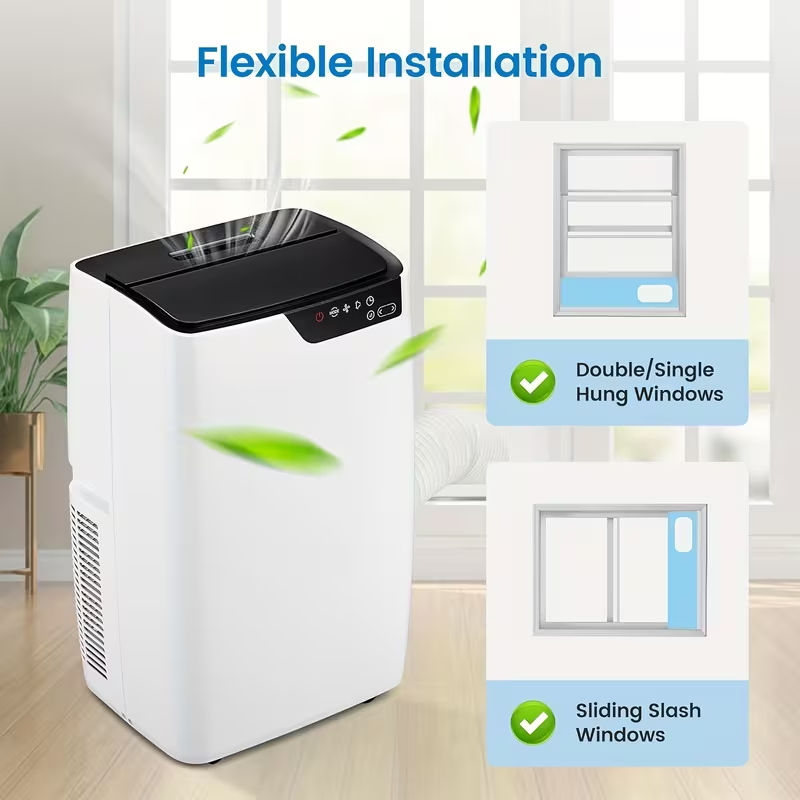
Introduction to Portable Air Conditioners
Portable air conditioners have gained substantial attention in recent years as a flexible and practical alternative to traditional cooling systems. Unlike window units or central air systems, which require permanent installation and modifications to the structure of a home, portable air conditioners offer a unique solution for climate control without the commitment of installation. They typically come equipped with wheels, allowing users to easily transport the unit from room to room, making them especially appealing for renters or those living in temporary accommodations.
The principal functionality of portable air conditioners involves drawing in warm air from the surrounding environment and expelling cooled air back into the room. This system uses a quick-connect exhaust hose to vent hot air through a nearby window, making it suitable for small spaces that may not accommodate fixed air conditioning units.
As the demand for energy-efficient and user-friendly cooling options grows, homeowners and tenants alike are increasingly turning towards portable air conditioners as a viable solution. The versatility of these units allows them to cater to a wide spectrum of preferences and lifestyles, whether it be for emergency cooling during heat waves or as a day-to-day appliance for comfort in the home. Furthermore, their compact size and ease of use offer distinct advantages over traditional systems, which may not be feasible in apartments or small homes.
This guide aims to provide insightful information into the world of portable air conditioners, outlining the top three choices available in the market and discussing their features, efficiency, and overall benefits. Understanding the principles behind portable air conditioners is essential to making an informed decision, ensuring the selected unit aligns with one’s specific cooling needs.
How Portable Air Conditioners Work
Portable air conditioners are a popular solution for achieving optimal indoor temperatures in both residential and commercial spaces. Their operation is based on fundamental principles of thermodynamics and refrigeration technology. To understand how these units effectively cool the air, it is essential to break down their working mechanisms.
Initially, a portable air conditioner draws in warm air from the surrounding environment using a fan. This warm air is then passed through an evaporator coil containing refrigerant, a specialized fluid designed to absorb heat. The refrigerant is typically in a low-pressure gas state as it enters the coil. As it absorbs heat from the incoming air, it transforms from a liquid state to a gaseous state. This phase change is critical, as it enables the removal of excess heat from the air, lowering the temperature significantly.
Once the refrigerant absorbs heat, it travels to the compressor, which is an essential component of the air conditioning cycle. The compressor elevates the pressure of the refrigerant gas, causing its temperature to rise significantly. Following this, the hot refrigerant gas is directed to the condenser coil, where it is cooled down by ambient air, typically drawn from a separate venting hose leading outdoors. Here, the gas condenses back into a liquid form, releasing the absorbed heat outside.
Finally, the cooled air is circulated back into the room through an internal fan, while the hot air is expelled through the venting system. This continuous cycle of drawing in warm air, cooling it using the refrigerant, and expelling warm air allows portable air conditioners to maintain comfortable temperatures in diverse settings. Understanding this mechanism provides insight into these units’ efficiency and effectiveness as an air conditioning solution.
Benefits of Using Portable Air Conditioners
Portable air conditioners have gained popularity in recent years due to their versatility and convenience. One of the most significant advantages of these units is their ability to cool specific areas effectively. Unlike traditional central air conditioning systems, which cool an entire building, portable air conditioners allow you to focus cooling efforts on particular rooms or spaces. This targeted cooling can lead to enhanced comfort levels, particularly in homes and offices where individual temperature preferences may vary.
Another benefit is the ease of installation that portable air conditioners offer. Most units require minimal assembly and can be set up without the need for professional assistance. This is particularly advantageous for renters and those living in apartments, where installation options for traditional systems can be limited. Simply rolling the unit into place and venting it through a window allows for immediate use and satisfaction.
Energy efficiency is another noteworthy characteristic of portable air conditioners. These units typically consume less energy compared to larger systems, making them a cost-effective option for cooling spaces while still providing relief from heat. Many modern portable air conditioners come equipped with energy-saving features such as programmable timers and adjustable settings that further enhance their efficiency.
Additionally, portability is a key aspect of these air conditioning units. Whether you need to move a unit from one room to another or take it with you during a seasonal transition, portable air conditioners are designed for easy relocation. This mobility makes them incredibly convenient not just in homes, but also in office environments where adaptability to changing needs is essential.
the Portable Air Conditioner, 3in 1 Standing Cooling AC Unit
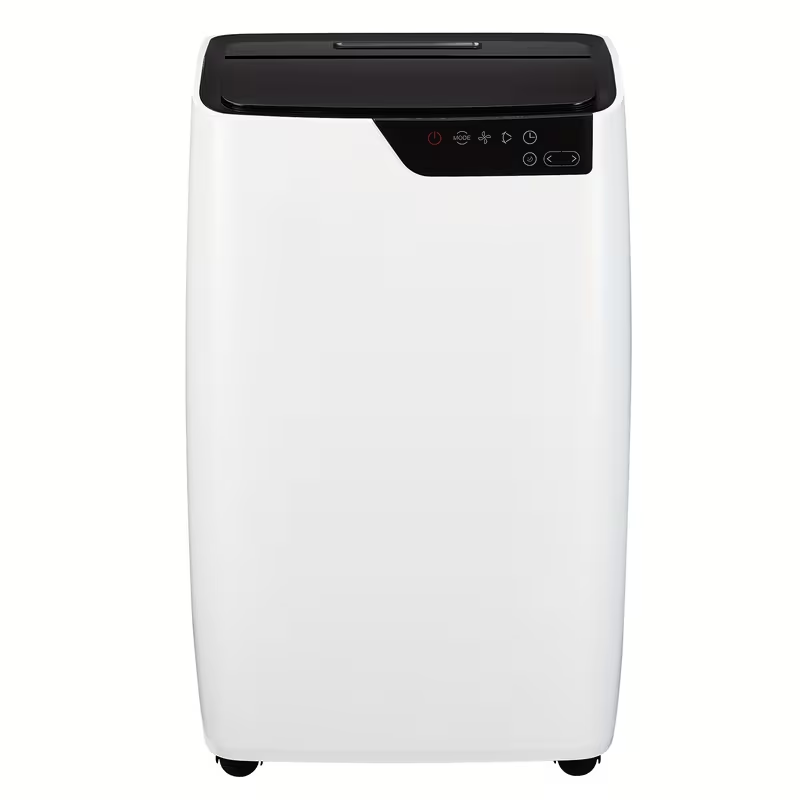
The Portable 3-in-1 Standing Cooling AC Unit stands out as an essential product for individuals seeking both comfort and convenience in their living or working spaces. This unit not only provides efficient cooling but also features dehumidifying and fan capabilities, making it a versatile addition to any environment. With the summer months often bringing uncomfortable heat, this portable air conditioner addresses multiple needs in one compact design.
This model delivers impressive cooling performance, effectively bringing ambient temperatures down by as much as 20 degrees Fahrenheit in rooms measuring up to 300 square feet. Ideal for small to medium-sized spaces such as bedrooms, home offices, and living rooms, it ensures a comfortable atmosphere throughout the day. Alongside its cooling functions, the unit also acts as a dehumidifier, reducing the moisture in the air, which can be particularly beneficial in humid climates.
One of the standout features of this portable air conditioner is its user-friendly design. It comes with integrated wheels, allowing for easy relocation from room to room, while its compact size ensures it doesn’t dominate the space it occupies. The unit is equipped with a digital display and remote control for effortless operation, offering customizable settings to suit your preferences. Installation is straightforward, requiring minimal tools, which helps users maximize its portability and convenience.
This 3-in-1 unit is best utilized in residential settings, particularly in hot, humid regions where its dual cooling and dehumidifying properties can be most effective. In summary, the Portable 3-in-1 Standing Cooling AC Unit combines practicality and efficiency, making it a favorable choice for those looking to enhance their indoor comfort easily.
Product Review: Advanced Portable Air Conditioner with Dehumidifier and Fan Mode
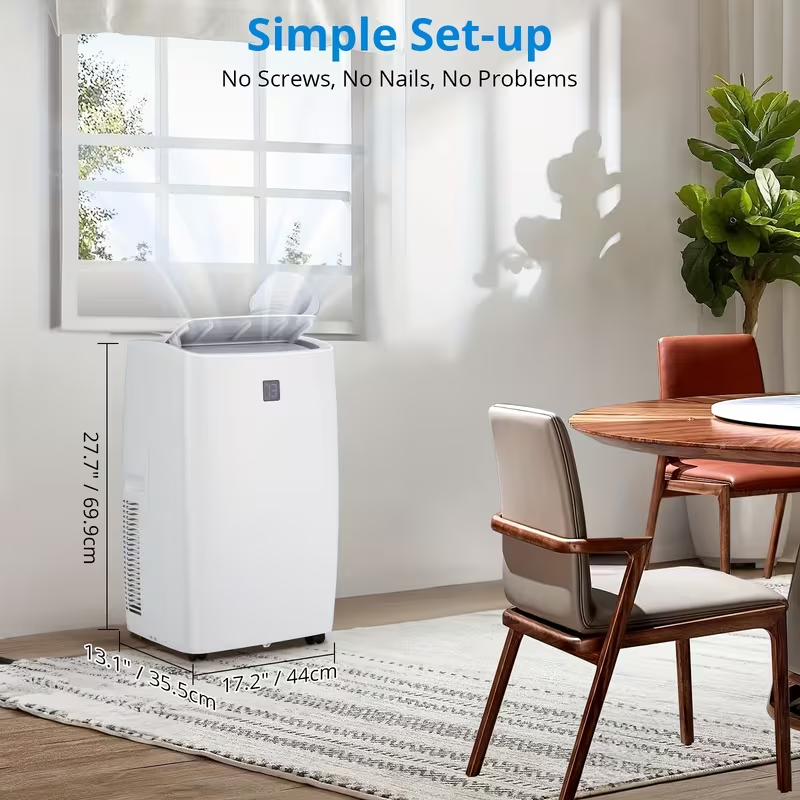
The Advanced Portable Air Conditioner with dehumidifier and fan mode is engineered to offer superior cooling performance alongside versatile features. One of its standout attributes is the dual functionality as both an air conditioner and a dehumidifier, making it an excellent choice for environments that experience high humidity. This portable unit is designed to maintain optimal comfort levels in various settings, including homes and offices.
In terms of key features, the unit boasts an impressive cooling capacity, effectively handling spaces up to 450 square feet. Equipped with a user-friendly digital display and remote control, operating the unit is particularly convenient. The programmable timer function allows users to set specific operating times, promoting energy efficiency by ensuring the device only runs when needed.
Cooling performance is significantly enhanced through the incorporation of multiple fan speeds, which can be adjusted to achieve the desired level of airflow. The dehumidifier mode efficiently removes moisture from the air without the need for constant cooling, making it an ideal option during humid summer days. Additionally, the unit operates quietly, ensuring minimal disruption during usage.
Product design plays a vital role in this model’s appeal. The sleek and compact design makes it easy to transport between rooms, while casters provide smooth mobility over various floor surfaces. The washable air filter contributes to overall air quality, prolonging the life of the unit.
In summary, the Advanced Portable Air Conditioner with dehumidifier and fan mode exemplifies flexibility and efficiency. It is particularly suitable for individuals seeking a reliable cooling solution that also addresses humidity control. With its robust set of features, this model stands out as a practical addition to any home or office space.
Product Review: The Portable Air Conditioner, 3-in-1 Air Conditioner
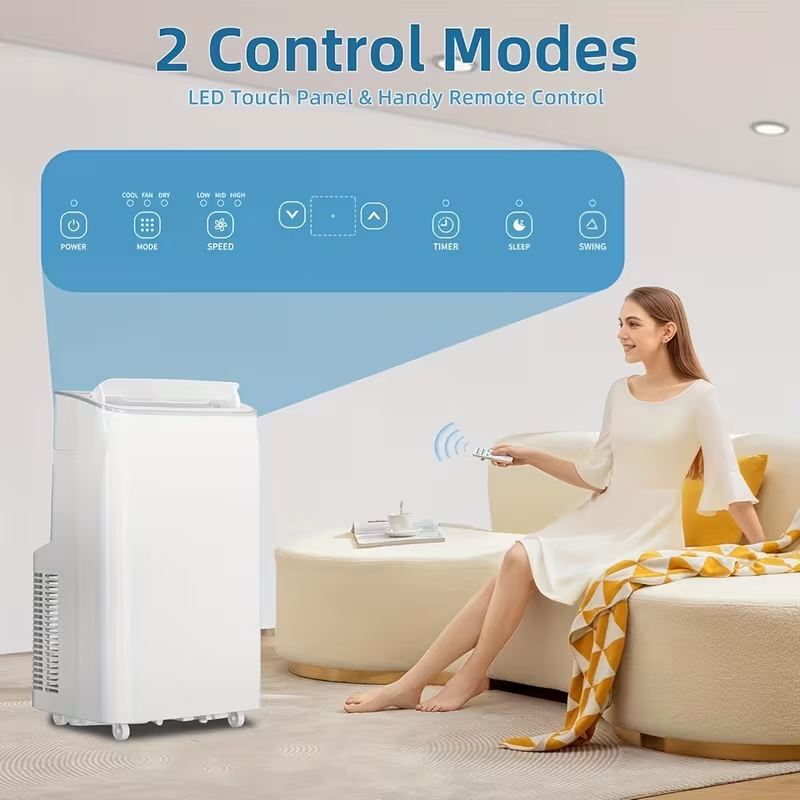
The Portable 3-in-1 Air Conditioner stands out in the competitive market of cooling solutions. This versatile unit operates not only as an air conditioner but also as a dehumidifier and a fan, providing a comprehensive approach to comfort in various settings. With its compact and sleek design, it is ideal for home and office use, ensuring that users can enjoy convenience and ease of mobility.
One of the most significant features of this portable air conditioner is its efficient cooling ability. Capable of quickly reducing temperatures in spaces up to 300 square feet, it utilizes advanced cooling technology that allows for rapid temperature drops. This feature is especially beneficial during hot summer months when traditional air conditioning systems may struggle to maintain comfortable conditions. Moreover, the adjustable airflow options further enhance its functionality, allowing users to personalize their cooling experience.
Another remarkable aspect of this unit is its dehumidifying capability. Many consumers are often unaware of the importance of maintaining balanced humidity levels indoors. The Portable 3-in-1 Air Conditioner effectively extracts excess moisture from the air, thereby preventing the growth of mold and mildew, which can be detrimental to respiratory health. This function is particularly useful in humid climates where moisture buildup is a significant concern.
When it comes to design, this air conditioner is both stylish and practical. It is lightweight, featuring easy-grip handles and rolling wheels, making it a breeze to reposition as needed. The intuitive control panel and remote access ensure user-friendliness, allowing users to adjust settings from a distance. Conclusively, this portable air conditioner delivers exceptional performance as an air cooler, dehumidifier, and fan, making it a prudent investment for those seeking versatility and efficiency in their cooling solutions.
Comparison of the Three Products
When evaluating portable air conditioners, we must consider various factors such as performance, flexibility, and ease of use. The three models under review, each with unique features, appeal to different user needs. In this comparative analysis, we will highlight the strengths and weaknesses of each unit, providing insights that will aid potential buyers in making informed choices.
The first option, Model A, is known for its impressive cooling capacity. With an output of 12,000 BTUs, it is highly effective in cooling medium-sized rooms swiftly. Users appreciate its digital thermostat and remote control features, enhancing convenience. However, it operates at a higher noise level compared to other models, which might be a drawback for those sensitive to sound.
Next, we have Model B, designed for optimal flexibility and portability. Weighing significantly less than other units, it can be moved with ease from room to room. This model excels in energy efficiency, offering an eco-friendly cooling option with a lower energy consumption rating. Nonetheless, its cooling output is slightly lower, rated at 8,000 BTUs, making it better suited for smaller spaces.
Finally, Model C combines high performance with advanced features. It includes a built-in dehumidifier and air purifier, adding value by improving air quality while cooling the room. Customers value the programmability of its settings, which accommodates various schedules. However, this model has a higher initial cost, which may deter budget-conscious consumers.
Each portable air conditioner serves a distinct segment of the market. Model A is ideal for larger spaces and rapid cooling, Model B is best for those seeking mobility and energy savings, while Model C offers integrated air quality benefits. By understanding these features and limitations, users can select the portable air conditioner that best meets their needs.
Product 1: Black + Decker BPACT08WT Portable Air Conditioner
The Black + Decker BPACT08WT offers an efficient cooling solution for small to medium-sized rooms. One of its primary advantages is its 8,000 BTU cooling capacity, which can significantly lower the temperature in a room quickly. Additionally, this unit features a compact design, making it easy to move between different locations as needed. Its integrated dehumidifier function is also a substantial benefit, as it helps to reduce humidity levels, enhancing comfort during hot weather.
However, there are some drawbacks. Users have noted that while the unit operates quietly, the fan can be somewhat noisy at higher speeds. Moreover, the 24-hour programmable timer might not be intuitive for everyone, potentially complicating operation for some users. The presence of a drain pan for excess water can also be a minor inconvenience, as it requires periodic emptying depending on humidity levels.
Product 2: Whynter ARC-14S Dual Hose Portable Air Conditioner
The Whynter ARC-14S is known for its dual-hose design that promotes greater energy efficiency by utilizing outside air more effectively. This unit’s powerful 14,000 BTUs make it a popular choice for larger rooms, with the added advantage of rapid cooling. Users also appreciate its versatility; it doubles as a heater and dehumidifier, providing year-round comfort. Furthermore, its sleek design and window kit installation are often praised for seamless integration into living spaces.
On the downside, it does come with a higher price tag compared to other models. Some users report that the unit is relatively heavy, which may affect portability for those who need to move it frequently. Additionally, while the remote control adds convenience, there have been complaints about the lack of a clear display, making it hard to read at night.
Product 3: Honeywell MN10CES Portable Air Conditioner
The Honeywell MN10CES is a reliable option for those seeking effective cooling within a reasonably portable unit. One of its strengths lies in the 10,000 BTU output, suitable for rooms up to 350 square feet. This model is acclaimed for its ease of use, featuring a straightforward control panel and a remote control for added convenience. Moreover, the unit operates quietly, making it an excellent choice for bedrooms or office spaces.
However, potential users should also be aware of some limitations. The Honeywell MN10CES has a single hose, which could result in less efficient operation compared to dual-hose models, especially on sweltering days. Furthermore, some users have highlighted that the unit requires frequent draining, particularly in high-humidity scenarios, which may detract from its user-friendliness. Overall, while it is a commendable choice, those considering this product should weigh these factors based on their individual requirements.
Buying Guide: What to Consider Before Choosing a Portable Air Conditioner
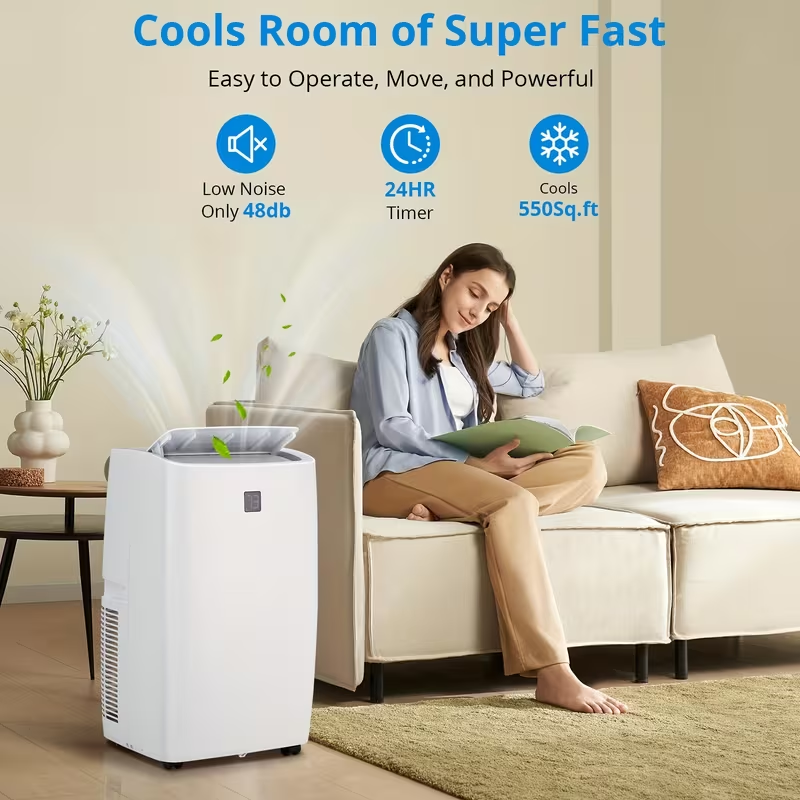
When selecting a portable air conditioner, several key factors must be taken into account to ensure optimal performance in your home or office environment. One of the primary considerations is the cooling capacity of the unit, typically measured in British Thermal Units (BTUs). Higher BTU ratings indicate that a unit can effectively cool larger spaces, while lower ratings are suitable for smaller areas. Therefore, it is essential to choose a model that corresponds to the size of the room to achieve efficient cooling.
Energy efficiency is another crucial factor. Look for portable air conditioners with a high Energy Efficiency Ratio (EER) or those that are Energy Star certified. These models not only help reduce electricity bills but also contribute to an eco-friendlier environment by consuming less energy. It is advisable to consider energy efficiency alongside cooling performance to find a balance between cost-saving and comfort.
Noise level is an important aspect, particularly in settings where quiet operation is necessary, such as offices or bedrooms. Most portable air conditioners provide decibel ratings, which allow easy comparisons. Units that operate at lower decibels are preferable for maintaining a peaceful atmosphere.
Another aspect to consider is the dehumidification capability of the air conditioner. Many models come with built-in dehumidifiers, which can be particularly beneficial in high-humidity areas. Effective dehumidification reduces moisture in the air, which enhances comfort and limits the growth of mold and mildew.
Lastly, assess the portability of the unit. Features such as wheels and lightweight design can greatly enhance the ease of movement for individuals wishing to relocate the air conditioner between spaces. Understanding these key factors prior to purchase will assist in selecting a portable air conditioner that best meets individual needs and preferences.
Final Recommendation: Which Product is Best for Different User Needs
When it comes to selecting a portable air conditioner, the choice largely depends on individual needs and specific use cases. In our comprehensive analysis, we identified several scenarios which can help guide the decision-making process.
For individuals living in smaller spaces, such as studios or one-bedroom apartments, the compact CoolAir Mini emerges as an ideal choice. Its efficiency in cooling smaller areas while maintaining energy consumption makes it a popular option for users with limited square footage. The easily manageable weight and size of this unit facilitate quick repositioning as needed, which is beneficial for those looking to maximize comfort during the hot summer months without significant investment.
Conversely, larger living spaces or open-plan offices might require something with more capability. Here, the EcoChill 8000 shines due to its powerful cooling capacity and dual functionality as both an air conditioner and dehumidifier. This unit caters to users who prioritize robust performance and are prepared to invest in a model that offers substantial cooling power and a larger coverage area. It represents an optimal blend of efficiency and versatility for larger environments.
Additionally, for those who prioritize eco-friendliness and energy savings, the GreenAir Pro stands out. This model is designed with sustainability in mind and boasts energy-efficient features without compromising performance. Therefore, it is an appropriate choice for environmentally conscious consumers seeking to minimize their carbon footprint while enjoying a comfortable indoor climate.
Ultimately, the decision hinges on personal circumstances, including room size, budget, and energy preferences. By considering these key aspects, users can strategically select the portable air conditioner that aligns best with their specific requirements, ensuring comfort and satisfaction throughout the warmer months.