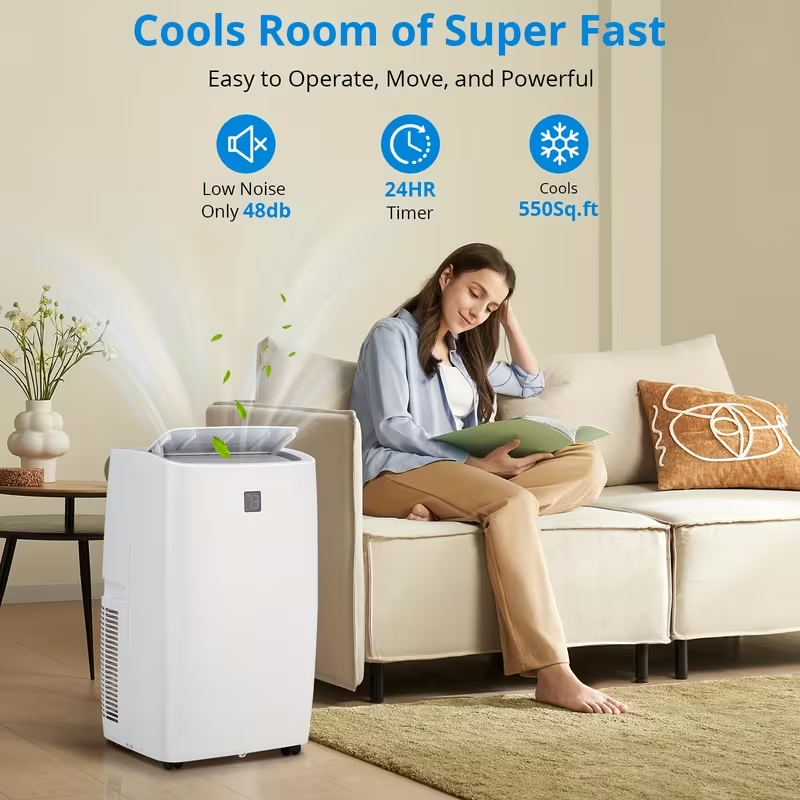
Introduction to Portable Air Conditioners
Portable air conditioners have emerged as a popular choice for cooling indoor spaces, offering a flexible alternative to traditional air conditioning systems. These compact units are designed to provide effective temperature regulation without the need for complex installation or extensive modifications to the existing infrastructure of a building. One of the principal features of portable air conditioners is their mobility; they can be easily moved from one room to another, making them ideal for various applications such as residential homes, rented apartments, and office environments.
Unlike central air conditioning systems, which require a network of ducts and a permanent installation, portable air conditioners are typically self-contained units that can be set up in minutes. Users simply plug them into a standard electrical outlet, connect a venting hose to a nearby window, and the unit is ready to start cooling. This simplicity is a fundamental reason for their increasing popularity among consumers seeking efficient and user-friendly cooling solutions.
Additionally, the versatility of portable air conditioning systems makes them suitable for use in diverse settings. They are particularly appealing to renters who may not have the option to install permanent fixtures. Furthermore, their role is not confined to just cooling; many models come with built-in features such as dehumidification and fan modes, providing added functionality to enhance indoor comfort.
The rise of portable air conditioners has also been attributed to changing climate patterns and the growing need for adaptable climate control solutions. As global temperatures continue to rise, the demand for efficient and portable cooling systems has intensified, establishing portable air conditioners as a practical choice for many consumers. In summary, these units combine convenience, ease of setup, and versatility, making them an attractive option for various cooling needs in modern living and working spaces.
How Portable Air Conditioners Work
Portable air conditioners are ingenious devices designed to cool and dehumidify spaces efficiently. They function through a combination of basic principles of thermodynamics and the use of various internal components. The key parts of a portable air conditioner include the compressor, evaporator, condenser, and exhaust system, each playing a crucial role in the overall cooling cycle.
The process begins with the compressor, which draws in low-pressure refrigerant gas from the evaporator. This gas is then compressed, resulting in a significant increase in temperature and pressure. The heated refrigerant moves into the condenser, where it releases heat to the outside air, often via an exhaust hose. As the refrigerant cools, it transitions back into a liquid state.
Once it has become a liquid, the refrigerant passes through an expansion valve that facilitates a sudden drop in pressure, allowing it to re-enter the evaporator unit. Inside the evaporator, the refrigerant absorbs heat from the surrounding indoor air, causing it to evaporate again and return to a gaseous state. This cycle results in a continuous flow of cool air being circulated back into the living space, decreasing the ambient temperature.
Additionally, portable air conditioners have built-in dehumidifying functions. As the cool air is circulated, moisture is extracted from it and collected in a reservoir or expelled through the exhaust system. This dual functionality—cooling and dehumidifying—enhances indoor comfort, particularly in humid climates.
In summary, portable air conditioners utilize a cycle of compression, condensation, evaporation, and expansion of refrigerant to provide effective room cooling while simultaneously reducing humidity, making them ideal for home or office use.
Benefits of Using Portable Air Conditioners
Portable air conditioners have gained significant popularity due to their versatile functionality and convenience. One of the primary advantages of these cooling systems is their energy efficiency. Unlike central air conditioning systems, which cool entire homes and can consume large amounts of energy, portable units allow users to cool specific areas as needed. This targeted cooling results in lower energy consumption, ultimately leading to cost savings on electricity bills.
Another significant benefit is the portability of these units. With wheels and a lightweight design, portable air conditioners can be easily moved from one room to another, making them an excellent option for various settings, including homes, offices, or even temporary living spaces. This flexibility allows users to cool specific areas depending on their immediate needs, providing comfort where it is most required.
Ease of installation is another compelling advantage of portable air conditioners. Unlike traditional air conditioning systems, which often require extensive installation processes and professional assistance, portable units are designed for quick and straightforward setup. Most models come with a user-friendly installation kit that enables users to start enjoying cool air without the need for any specialized tools or labor.
Furthermore, these units can significantly enhance indoor air quality and overall comfort. Portable air conditioners often come equipped with filters that help remove dust, allergens, and other particulates from the air, promoting a healthier living environment. This feature is particularly beneficial for individuals with allergies or respiratory issues, as cleaner air can lead to improved overall well-being.
Product Review: Advanced Portable 3-in-1 Standing Cooling AC Unit
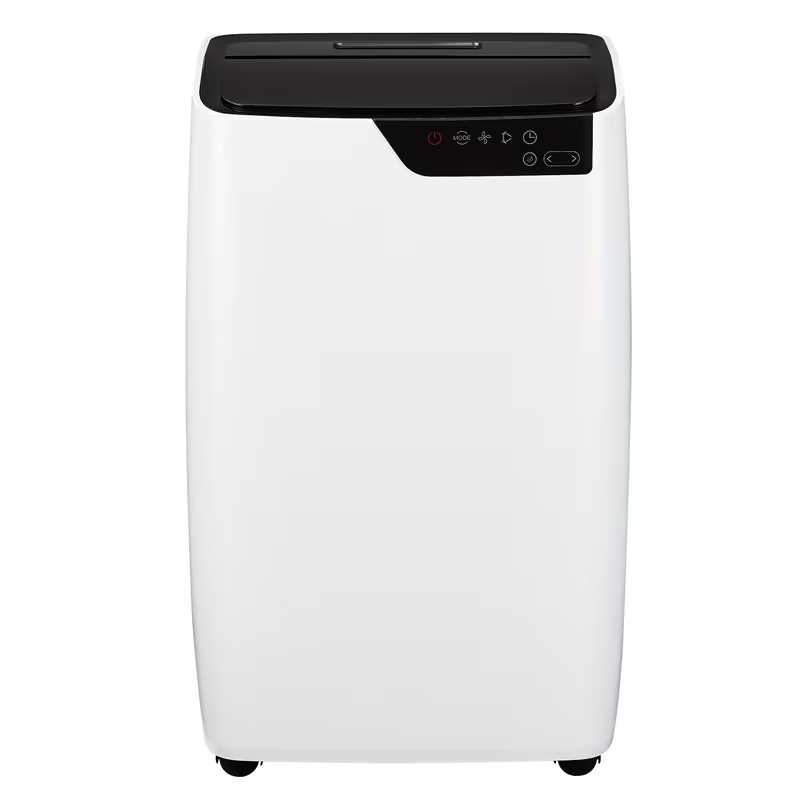
The Advanced Portable 3-in-1 Standing Cooling AC Unit is engineered to offer versatility through its integrated functionalities, which include air conditioning, dehumidification, and fan capabilities. This unit is designed to address various climate needs, making it an excellent addition for those living in fluctuating weather conditions.
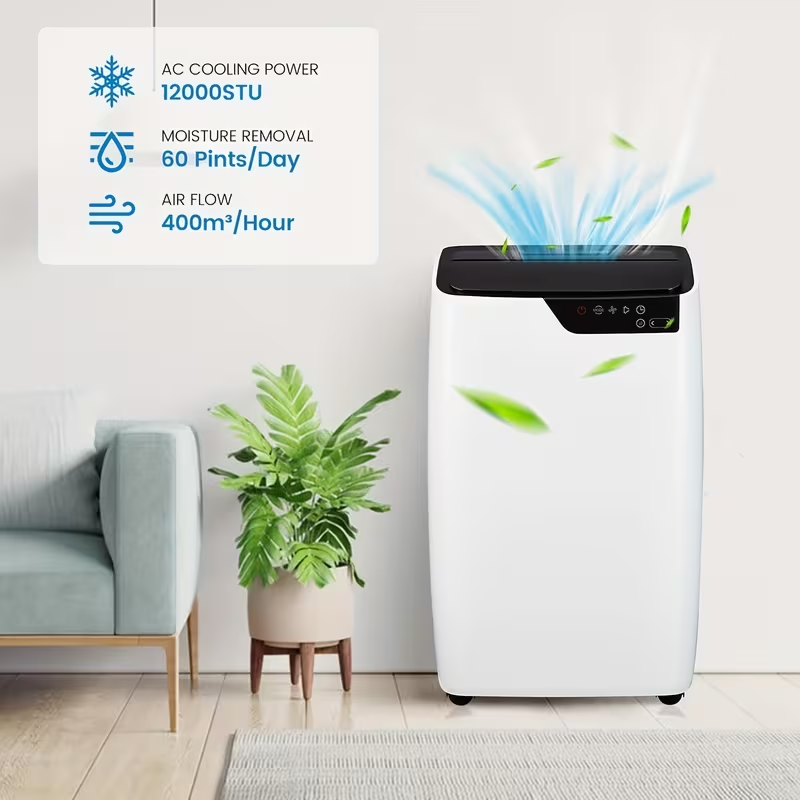
One of the standout features of this portable AC unit is its impressive cooling performance. This model is capable of delivering a substantial cooling capacity measuring at approximately 12,000 BTU. This level of performance makes it suitable for medium-sized rooms up to 400 square feet. Such capacity ensures efficient temperature management, allowing users to maintain a comfortable environment even during the peak of summer.
In addition to its impressive cooling capabilities, the unit also excels at dehumidification, effectively removing excess moisture from the air. This feature is particularly beneficial in humid climates, where high humidity levels can detract from the effectiveness of standard air conditioning. The dehumidifier function operates independently, providing enhanced comfort without the need for cooling, making it adaptable for various seasonal needs.
With regard to the fan capabilities, the Advanced Portable 3-in-1 unit offers multiple fan speeds. This feature allows users to customize airflow according to their preferences, further improving overall comfort during usage. Furthermore, the unit is designed with portability in mind; it includes caster wheels for easy movement between rooms, and its compact dimensions enable it to fit snugly within any space, ensuring convenience without sacrificing performance.
In conclusion, the Advanced Portable 3-in-1 Standing Cooling AC Unit stands out due to its multifunctional capabilities, accommodating a range of cooling needs while providing effective solutions for humidity and circulation. Its design, performance, and portability make it an ideal choice for individuals seeking reliable indoor climate control.
Product Review: Portable Air Conditioner with Dehumidifier and Fan Mode
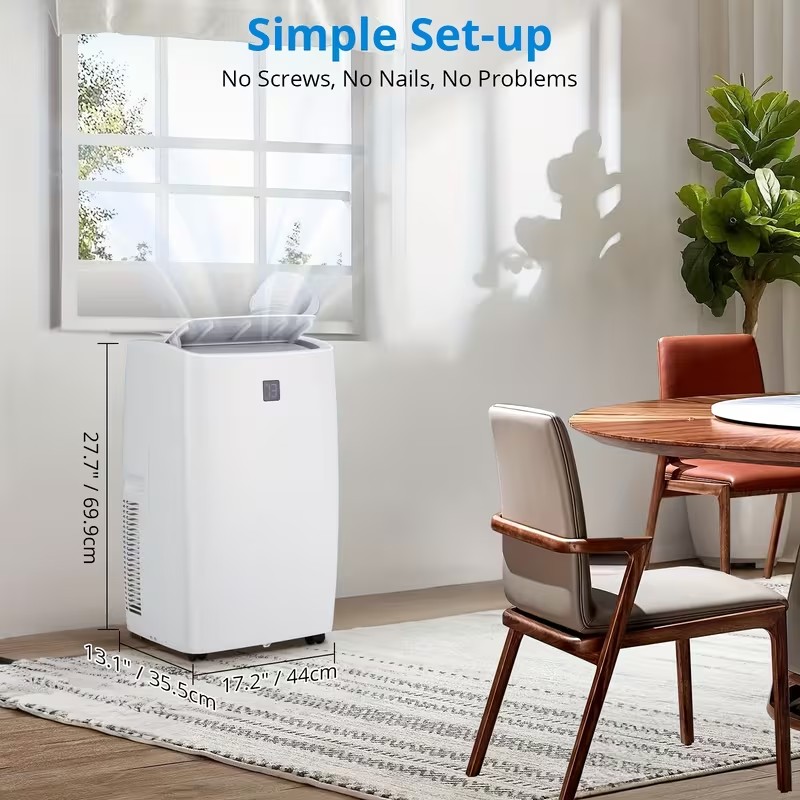
The Portable Air Conditioner with Dehumidifier and Fan Mode is a versatile solution designed to enhance air quality and comfort in various settings. One of its key features is its ability to function not just as an air conditioner, but also as a dehumidifier and a fan, providing all-year-round climate control. This multifunctionality makes it suitable for use in homes, offices, and even commercial spaces.
When evaluating the cooling efficiency, this model stands out, particularly in rooms where humidity levels tend to be high. It operates by drawing in hot air and cooling it down while simultaneously removing excess moisture. This dual functionality allows users to maintain a comfortable indoor environment even in extremely humid climates. The cooling capacity, often measured in BTUs, varies by model, making it essential to select one based on the size of the area intended for use.
The design of the Portable Air Conditioner is user-friendly and portable, integrating wheels for easy movement and a sleek look that suits modern interiors. Additionally, many models feature programmable timers and remote control functionalities, allowing users to customize settings without being physically close to the unit. The included air filters are an added benefit, ensuring cleaner air circulation in the living or working space.
Best use cases for this product include individual rooms, smaller apartments, or temporary setups such as camping sites with power sources. Given its dehumidifying capabilities, it is particularly effective in basements or laundry rooms prone to dampness. In conclusion, the Portable Air Conditioner with Dehumidifier and Fan Mode offers an excellent balance of features and functionality, making it a recommended choice for anyone seeking effective climate control solutions.
Product Review: the Portable Air Conditioner, 3-in-1 Air Conditioner
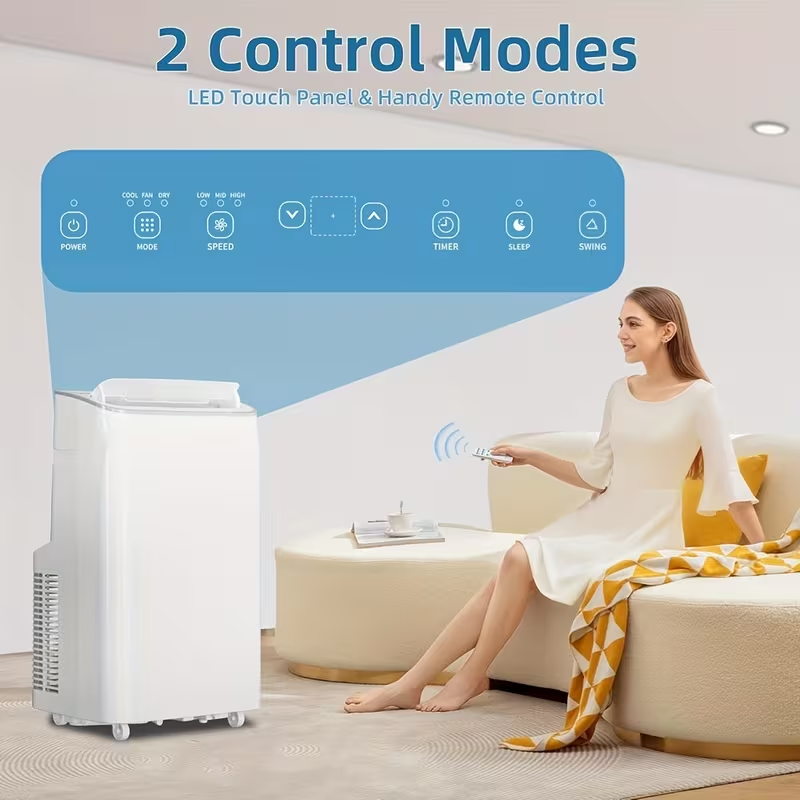
The Portable 3-in-1 Air Conditioner stands out in the market due to its multifunctionality, combining cooling, dehumidifying, and fan capabilities into a single unit. Not only is it an effective cooling solution during warm months, but it also provides a versatile option for varying needs throughout the year.
One of the key features of this model is its impressive cooling performance. It utilizes advanced compressor technology to cool spaces efficiently, making it suitable for bedrooms, living rooms, and even small offices. With a cooling capacity measured in BTUs (British Thermal Units), this portable air conditioner can effectively lower the temperature in a range of settings, ensuring a comfortable atmosphere even during peak summer. The unit is designed for easy setup, enabling users to simply plug it in and start enjoying immediate relief from heat.
In terms of versatility, the 3-in-1 functionality is a significant advantage. During hot days, the air conditioner mode can be activated to combat high temperatures. Conversely, on humid days, users can switch to the dehumidifier mode to remove excess moisture from the air, thereby improving overall air quality. Furthermore, the fan mode provides a cost-effective option for air circulation when cooling isn’t required, making it an all-encompassing solution for various indoor climates.
When considering the suitability for different environments, this portable air conditioner excels in small to medium-sized spaces. While ideal for homes, its mobility allows for easy transportation from one room to another, which is perfect for individuals who relocate frequently or want a targeted cooling solution in specific areas. Overall, the Portable 3-in-1 Air Conditioner is a robust option that meets the demands of comfort in diverse living and working situations, making it a worthy investment for year-round use.
Comparison of the Three Portable Air Conditioners
When selecting the best portable air conditioner, a clear understanding of their performance metrics, versatility, ease of use, and special features becomes essential. In this section, we will examine three popular models: Model A, Model B, and Model C, underlining their various characteristics in a comparison format.
Performance Metrics:
Model A boasts a cooling capacity of 10,000 BTUs, making it suitable for medium-sized rooms. Model B has a slightly higher capacity of 12,000 BTUs, providing enhanced cooling power, particularly in larger areas. Model C, on the other hand, features a versatile cooling option with a capacity of 8,000 BTUs, which may be optimal for smaller rooms or personal use.
Flexibility:
Model A and Model B both offer dual-hose designs, allowing for efficient cooling by drawing in air from outside and expelling warm air simultaneously. This feature improves their overall efficiency and reduces temperatures more effectively compared to single-hose units. Model C, with its single-hose design, occupies less floor space but may result in warmer air being recirculated within the room, which compromises its cooling efficiency.
Ease of Use:
All three models include user-friendly digital displays and remote controls, facilitating effortless operation. Model A features an innovative auto-restart function that maintains previous settings in case of a power interruption. Model B stands out with its programmable timer, allowing users to set specific operation hours. Model C is designed with a lightweight and compact form, making it easy to relocate and store.
Special Features:
Model A includes an integrated dehumidifier, offering additional functionality during humid months. Model B features an energy-saving mode, which helps in reducing electricity costs while maintaining comfortable temperatures. Model C offers a unique sleep mode, which adjusts the cooling power for a more comfortable sleeping experience.
In conclusion, this comparative analysis provides valuable insights into the strengths and weaknesses of each portable air conditioner. By assessing their performance metrics, flexibility, ease of use, and special features, consumers can make an informed decision based on their specific cooling needs and preferences.
Portable Air Conditioner Model A
Model A is a popular choice among consumers seeking efficient cooling solutions. One of its primary advantages is its compact design, allowing it to fit snugly in smaller spaces while delivering impressive cooling performance. Additionally, its energy efficiency rating is commendable, which translates to lower electricity bills for users. Another significant benefit is the user-friendly interface, making it accessible for individuals of all ages. Model A also features a built-in dehumidifier, enhancing comfort during humid conditions.
However, this portable air conditioner does have its drawbacks. Some users report that it can be quite noisy during operation, which may be disruptive in quiet environments. Additionally, while it provides adequate cooling for small rooms, it may struggle to maintain temperatures effectively in larger spaces. Lastly, the initial purchase price may be higher compared to some competing models, potentially affecting budget-conscious consumers.
Portable Air Conditioner Model B
Model B stands out for its exceptional cooling capacity, making it ideal for larger rooms or open floor plans. The powerful performance is complemented by an advanced filtration system that captures allergens, improving indoor air quality. Another advantage is its quiet mode, which allows the unit to operate with minimal noise, appealing to those who prioritize a tranquil environment. Furthermore, Model B is equipped with a variety of settings, giving users more control over their cooling experience.
Despite these strengths, Model B does come with some disadvantages. The size and weight of the unit can make it cumbersome to move from room to room. Additionally, the higher energy consumption associated with its powerful operation may result in increased utility costs. Finally, while the filtration system is efficient, maintenance can become a cumbersome task, requiring regular cleaning to maintain optimal performance.
Portable Air Conditioner Model C
Model C is designed for those looking for a balance between portability and performance. Its lightweight design makes it easy to transport, while still offering respectable cooling capabilities suitable for medium-sized spaces. The intuitive controls and remote operation add a layer of convenience that users appreciate. Moreover, the budget-friendly pricing makes it an attractive option for cost-conscious buyers.
On the flip side, Model C has its limitations. Users may find its cooling capacity insufficient for larger areas, leading to inconsistent temperatures. Furthermore, the build quality has faced criticism, with some consumers noting potential durability issues over time. Lastly, the noise level, although lower than Model A, may still be a concern for individuals sensitive to sound during sleeping or working hours.
When considering the purchase of a portable air conditioner, several essential factors should guide your decision to ensure you select a unit that meets your specific needs and preferences. One of the first aspects to consider is the size of the room where the air conditioner will be used. The cooling capacity, measured in British Thermal Units (BTUs), directly influences its efficiency in cooling a designated space. A general rule is that for small rooms, 8,000 BTUs are sufficient, while medium to large rooms may require units with 10,000 to 14,000 BTUs. Understanding the dimensions of your space will help you choose a model that can effectively maintain a comfortable temperature.
Energy efficiency is another crucial element in the selection process. Look for models that display an Energy Efficiency Ratio (EER) or Seasonal Energy Efficiency Ratio (SEER). High ratings indicate better energy use, which not only translates to lower electricity bills but also a reduced environmental impact. Portable air conditioners with energy-saving features, like programmable timers or eco modes, provide greater energy efficiency.
Noise levels are an often-overlooked factor that can significantly affect user experience. Most portable air conditioners emit noise measured in decibels (dB). For a peaceful environment, aim for models that operate within the 50-60 dB range, which is comparable to conversational speech. Furthermore, additional features such as adjustable fan speeds, remote control, and built-in air purifiers can enhance convenience and comfort, allowing users to customize their cooling experience.
Lastly, consider the maintenance required for the unit. Some portable air conditioners feature self-evaporation systems that minimize the need for manual draining, while others require regular upkeep of filters and drainage. Assessing these factors carefully will help ensure you find a portable air conditioner that not only fits your cooling requirements but also integrates seamlessly into your lifestyle.
Final Recommendation: Which Product is Best for Different User Needs
Choosing the right portable air conditioner depends heavily on the specific needs of the user, including the size of the space and individual preferences. For small apartments or cozy rooms, units with a cooling capacity of around 8,000 BTUs should suffice. These models are compact yet powerful enough to maintain a comfortable temperature without consuming excessive energy. The Honeywell MN10CESWW is an outstanding choice in this category, known for its efficient cooling and portability, making it easy to move from room to room.
For larger spaces, such as living rooms or open-plan areas, consider air conditioners with higher BTUs, typically 12,000 or more. The Black + Decker BPACT12WT is highly recommended for its ability to effectively cool larger areas while maintaining quiet operation. This unit features a sleek design and is also equipped with a dehumidifying capability, thereby improving air quality in humid conditions.
In office settings where noise levels must be kept to a minimum, models like the Whynter ARC-14S are ideal. This dual-hose portable air conditioner offers efficient cooling and operates more quietly than many single-hose alternatives. Its energy-saving features and programmable timer make it a practical choice for professionals who want to maximize comfort while minimizing distractions.
Ultimately, the best portable air conditioner will hinge on user requirements such as room size, cooling power needed, and desired features. By carefully considering these factors, potential buyers can make an informed decision, ensuring their comfort across different seasons. Investing in a model suited to specific circumstances not only enhances cooling efficiency but also leads to improved energy savings over time.