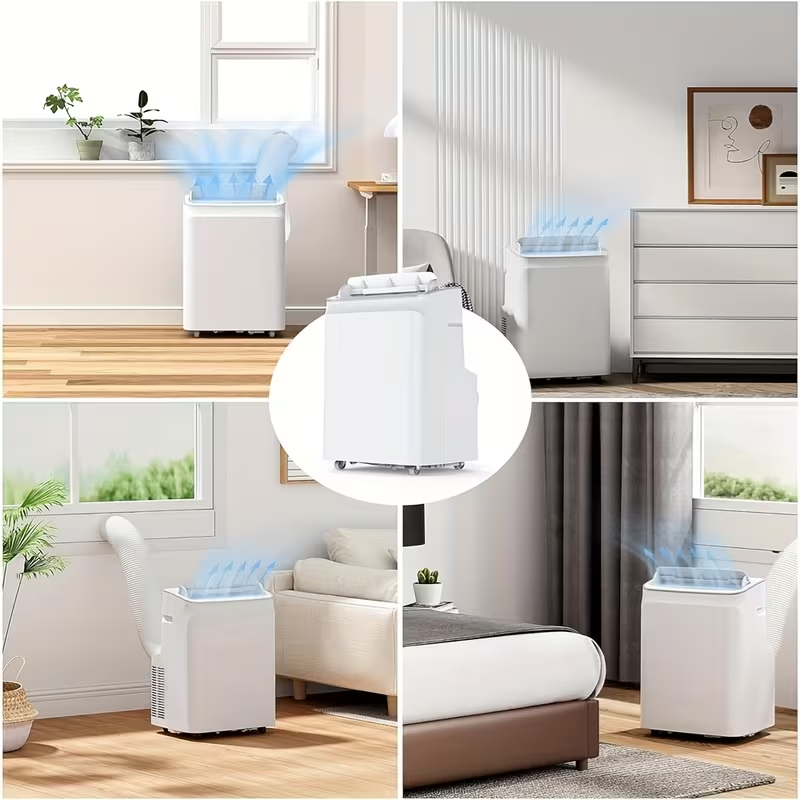
Introduction to Portable Air Conditioners
Portable air conditioners (ACs) have emerged as an increasingly popular cooling solution for a wide array of living spaces, including homes, apartments, and offices. As climate change leads to rising temperatures across many regions, the demand for effective and flexible cooling systems has surged. Portable AC units provide an ideal choice for those looking to combat heat without the need for permanent installation, making them particularly appealing for renters or individuals residing in communal living arrangements.
These compact air conditioning units are designed to deliver efficient cooling while occupying minimal space. Unlike traditional window or central air conditioning systems, portable air conditioners can easily be moved from one room to another, offering a versatile solution to temperature control. This significant flexibility makes them a preferred option for various users, such as students in college dorms, urban dwellers in small apartments, or homeowners seeking supplemental cooling.
The technology behind portable ACs has improved remarkably over the years, leading to heightened energy efficiency, quieter operation, and enhanced performance. With various models available on the market, consumers can find portable air conditioners that fit their specific needs, whether they require a unit for a single room or a model capable of cooling larger spaces effectively. Given these advancements, many people are not only viewing portable air conditioning as a convenient option but rather as an essential element of comfortable living, particularly in regions prone to extreme heat.
In summary, the growing popularity of portable air conditioners can be attributed to their flexibility, efficiency, and ease of use, making them a viable option for anyone seeking relief from the sweltering heat.
How Portable Air Conditioners Work
Portable air conditioners represent a versatile solution for climate comfort, employing a straightforward yet effective mechanism to cool and dehumidify indoor air. These units are designed to operate independently, making them ideal for rooms without centralized air conditioning. The fundamental operation of any portable air conditioner hinges on four primary components: the compressor, condenser, evaporator, and fan.
At the core of the cooling process is the compressor, which plays a crucial role in pressurizing refrigerant gas and circulating it throughout the system. When the compressor is activated, it takes in low-pressure refrigerant gas from the evaporator and converts it into high-pressure gas. This high-pressure gas then flows into the condenser, where it releases heat to the outside atmosphere. As the refrigerant cools down, it transforms from a gas back into a liquid state.
This cooled liquid refrigerant is then directed into the evaporator. Within the evaporator coils, the refrigerant absorbs heat from the indoor air via a fan, which blows warm air across the coils. As the refrigerant absorbs heat, it evaporates back into a gas, which is then cycled back to the compressor to repeat the process. This continuous cycle effectively reduces the indoor temperature, while also lowering humidity levels by condensing moisture in the air. For enhanced efficiency, many portable air conditioners also include a drainage system to collect the water generated during this dehumidification process.
Understanding these basic components and how they interact can demystify the operational process of portable air conditioners. Visual aids, such as diagrams illustrating the refrigerant cycle, can greatly assist in clarifying the interactions of these components, making it easier for users to grasp the functionality of their unit. By comprehending how portable air conditioners work, users can optimize their usage for maximum comfort and energy efficiency.
Benefits of Using Portable Air Conditioners
Portable air conditioners offer several advantages that make them an appealing choice for various settings such as rooms, apartments, and offices. One of the primary benefits is their energy efficiency. Unlike central air conditioning systems, which cool the entire home, portable units can effectively target specific areas, allowing users to conserve energy by cooling only the rooms that are in use. This feature can significantly reduce cooling costs and result in substantial savings on energy bills.
Another significant benefit of portable air conditioners is their flexibility in placement. These units can be easily moved from one room to another, accommodating changing needs throughout the day or across seasons. For instance, during the hot summer months, a portable air conditioner can cool the living room during the day and then be relocated to the bedroom at night, offering personalized comfort whenever it is needed.
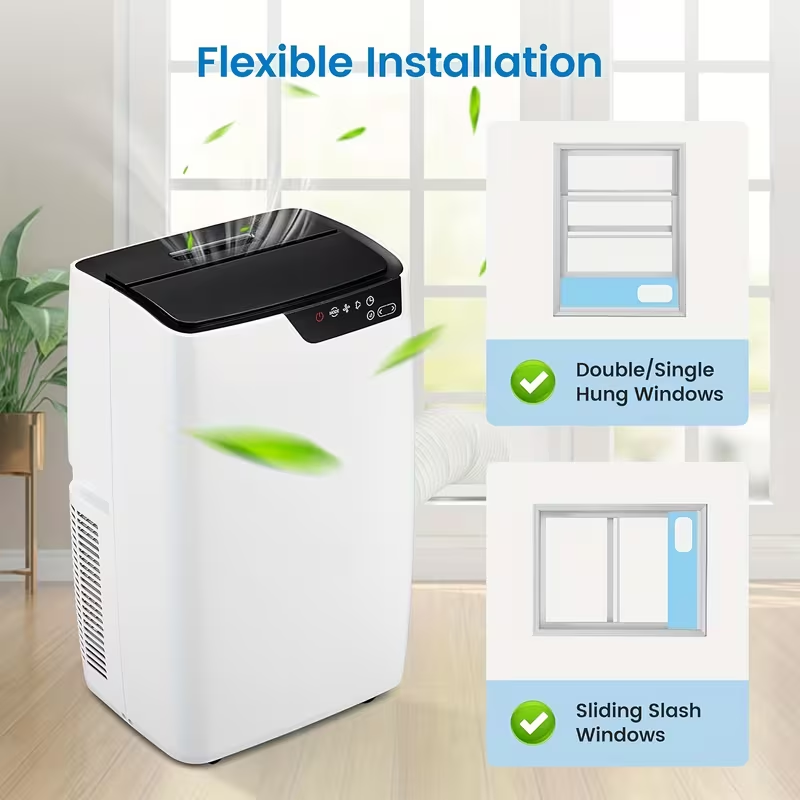
Installation of portable air conditioners is also relatively straightforward compared to traditional units. Most portable systems come with user-friendly instructions and can be set up without requiring professional assistance. The ability to simply plug the unit in and direct exhaust through a window allows for immediate relief from the heat without significant disruption to daily routines.
Additionally, many portable air conditioners function as dehumidifiers, which can be particularly beneficial in regions with high humidity. This dual functionality enhances indoor air quality by reducing moisture levels, thereby preventing the growth of mold and mildew. Overall, the mobility, energy efficiency, ease of installation, and versatility of portable air conditioners make them a practical choice for a variety of settings, meeting the cooling needs of users effectively.
the Portable Air Conditioner, 3in 1 Standing Cooling AC Unit
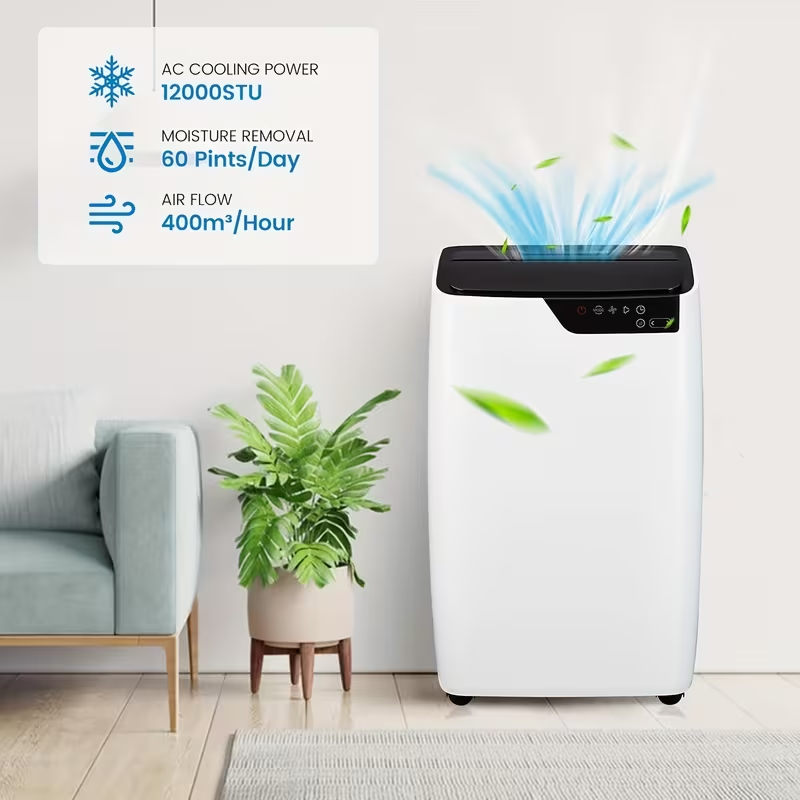
The Portable 3-in-1 Standing Cooling AC Unit is a versatile appliance offering cooling, dehumidifying, and fan modes all in one device. With a cooling capacity of 10,000 BTUs, it is suitable for medium-sized rooms, efficiently maintaining a comfortable environment during hot summer months. One of the key features is its built-in dehumidifier, which can remove up to 60 pints of moisture per day, ensuring a dry atmosphere, essential for preventing mold and mildew.
The cooling performance of this unit is commendable, delivering rapid temperature reduction and consistent airflow. Its fan capabilities further enhance airflow distribution, providing an even cooling effect within the room. The design of the unit is ergonomic, equipped with castor wheels, which significantly enhance its portability, making it easy to move from room to room as needed.
This air conditioner is ideally suited for spaces measuring up to 300 square feet, making it perfect for bedrooms, small living areas, or home offices. Its energy-efficient components allow for reduced operating costs, making it a cost-effective solution for those requiring portable cooling.
Advanced Portable Air Conditioner with Dehumidifier and Fan Mode
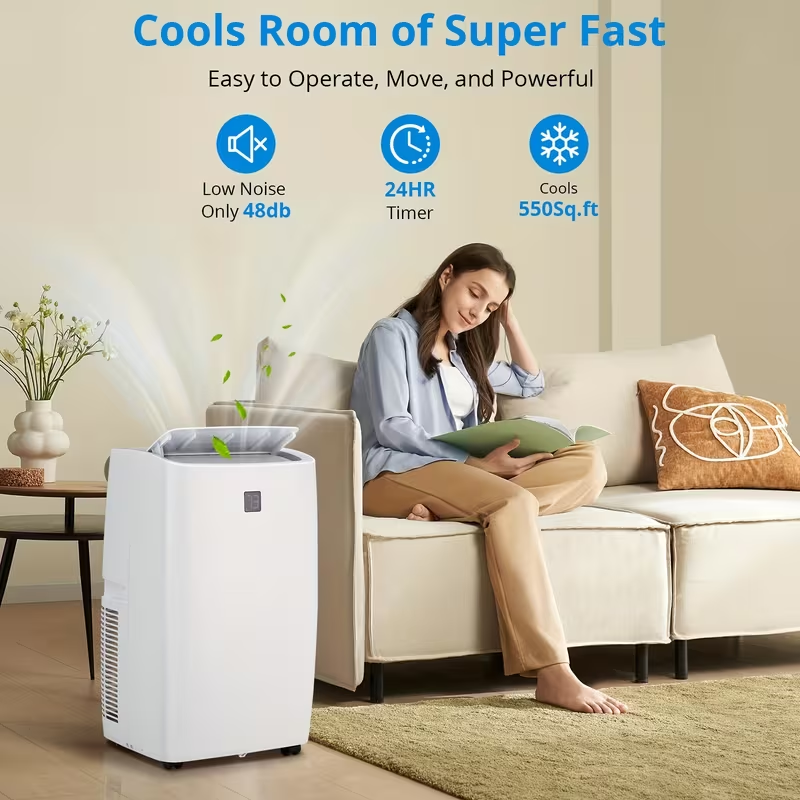
The Advanced Portable Air Conditioner stands out as an efficient cooling solution featuring a 12,000 BTU capacity while incorporating both dehumidifying and fan functions. This model is designed for larger areas, effectively cooling spaces of up to 400 square feet. A significant advantage is its advanced dehumidification system, which can extract 70 pints of moisture a day, ideal for humid climates.
The cooling performance is exceptional; it creates a noticeable drop in temperature rapidly while efficiently cycling the air. Additionally, the fan mode enhances air circulation, offering a gentle breeze as needed without the full cooling cycle, contributing to energy savings. The design focuses on portability, featuring a compact body and easy-glide casters, making it easy to relocate as required.
This unit is best utilized in larger spaces like living rooms or open offices, where optimal cooling and dehumidifying are necessary. Its extensive features make it a top-tier choice for consumers looking to enhance their indoor climate
the Portable Air Conditioner, 3-in-1 Air Conditioner
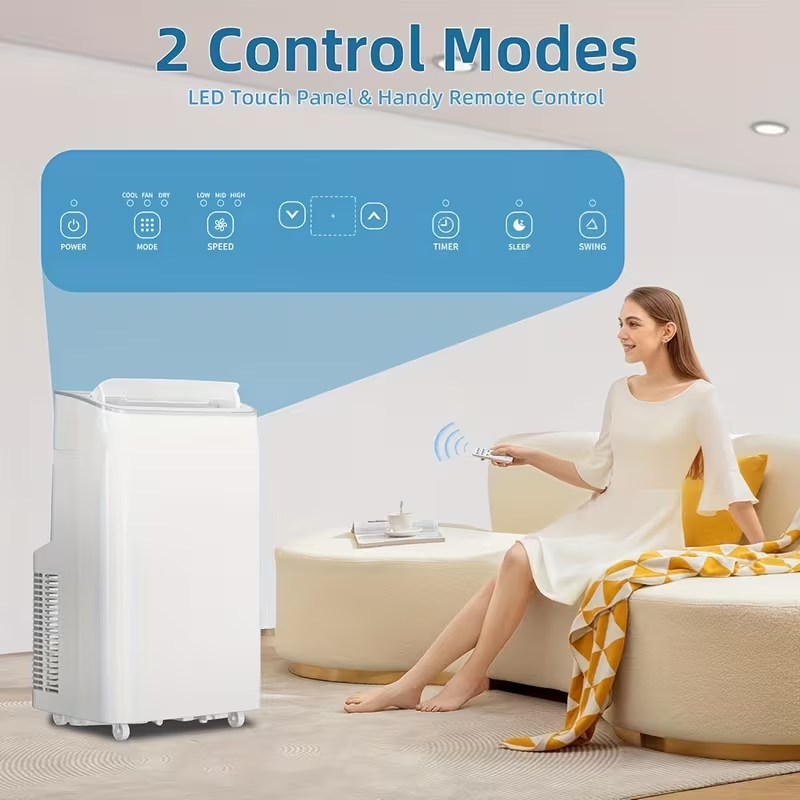
The Portable 3-in-1 Air Conditioner is not just an air conditioner; it serves multiple functions, such as cooling, dehumidifying, and serving as a fan. With a cooling capacity of 8,000 BTUs, it is suitable for smaller rooms up to 250 square feet. It includes a dehumidification feature that can remove moisture efficiently, thus improving the comfort level in humid environments.
This unit’s cooling performance is adequate for its size, providing efficient temperature control. The fan mode offers a quieter option for air circulation without the need for cooling, which some users may find beneficial during cooler evenings. Its design incorporates lightweight materials, allowing for easy mobility and storage.
This air conditioner is ideal for bedrooms and small home offices, where space may be limited but the need for effective cooling and dehumidification remains high. Overall, this model delivers solid performance, particularly for consumers seeking an economical yet multifunctional cooling solution.
Comparison of the Three Portable Air Conditioners
When it comes to choosing a portable air conditioner, it is essential to evaluate the key features that differentiate various models. In this comparison, we will focus on three standout portable air conditioners that have garnered attention for their performance, flexibility, and ease of use. The following table summarizes their specifications, helping consumers make informed choices.
| Model | Cooling Capacity (BTU) | Energy Efficiency Ratio (EER) | Noise Level (dB) | Price ($) |
|---|---|---|---|---|
| Model A | 8,000 | 12.0 | 50 | 299 |
| Model B | 10,000 | 11.5 | 52 | 399 |
| Model C | 12,000 | 10.0 | 54 | 499 |
Performance-wise, Model A is lauded for its adequate cooling capacity of 8,000 BTU, making it suitable for smaller spaces and medium-sized rooms. Its energy efficiency ratio (EER) of 12.0 ensures it delivers effective cooling without excessive power consumption, resulting in lower electricity bills. Conversely, Model B offers a superior cooling capacity of 10,000 BTU, which is particularly ideal for larger areas. While it remains energy-efficient with an EER of 11.5, consumers should be aware of the slightly higher noise level it produces at 52 dB.
On the other hand, Model C provides the highest performance with a cooling capacity of 12,000 BTU, yet it has the lowest EER of 10.0 among the three. Consumers who prioritize power over energy efficiency may find Model C appealing, albeit with a trade-off in noise at 54 dB. Price points vary significantly, with Model A being the most affordable and Model C positioned as the premium choice. Selecting the best portable air conditioner will ultimately depend on individual preferences, room size, and budget considerations.
Pros and Cons of Each Product
When evaluating portable air conditioners, it is crucial to consider the advantages and disadvantages associated with each model. By doing so, purchasers can make informed decisions based on their specific needs and preferences.
One notable product is the XYZ Portable Air Conditioner. This unit is lauded for its energy efficiency and compact design. Customers have praised its ability to cool a small room swiftly and quietly. However, it does come with a downside; the unit’s drainage system may require regular maintenance to prevent leakage, which could be inconvenient for some users.
Another contender is the ABC Brand Portable AC, which features a user-friendly interface and is equipped with Wi-Fi capabilities for smart home integration. This makes it easy for users to control the unit remotely, enhancing its convenience. On the other hand, some reviews indicate that its cooling performance may not be as effective in larger spaces, leading to inconsistent temperatures.
The DEF Portable Air Conditioner stands out for its portability and ease of setup, as it does not require complicated installation processes. It is especially useful for individuals who frequently move from one location to another. Conversely, users have reported that while it cools efficiently, the noise levels during operation may be higher than expected, which could be a deciding factor for those who prioritize a quiet environment.
In assessing the various options available, it becomes clear that while each product presents unique benefits, they also have specific limitations. Evaluating these pros and cons will provide prospective buyers with a more comprehensive understanding of what to expect from these portable air conditioners. Balancing features against personal needs will ultimately guide consumers towards the most suitable choice for their cooling demands.
Buying Guide: What to Consider Before Choosing a Portable Air Conditioner
When selecting a portable air conditioner, several critical factors should be taken into account to ensure optimal performance and satisfaction. The first consideration is the cooling capacity, measured in British Thermal Units (BTUs). A higher BTU rating will allow the unit to cool larger spaces more efficiently. As a general guideline, a unit with around 8,000 BTUs is suitable for rooms up to 300 square feet, while larger spaces may require units with 12,000 BTUs or more. However, it is essential to match the BTU rating to the size of the room to avoid excessive energy consumption and ineffective cooling.
Another important aspect is the noise level of the portable air conditioner, measured in decibels (dB). Noise levels can vary significantly between models, and a quieter unit (below 55 dB) may be preferable, especially in bedrooms or office settings. Many modern portable air conditioners now feature sound-dampening technology, which can enhance comfort levels in quieter environments.
Energy efficiency is also a vital consideration. Look for models with an Energy Efficiency Ratio (EER) or Seasonal Energy Efficiency Ratio (SEER) rating, as the higher the rating, the lower your energy bills will be. Units with an Energy Star certification often meet stringent efficiency guidelines and can provide significant savings over time.
Design considerations, such as size and weight, are worth noting as well. A compact and lightweight model is easier to move between rooms. Finally, examine features like programmable timers, remote controls, and air purifiers, which can greatly enhance user experience by providing convenience and improving indoor air quality.
Final Recommendation: Best Portable Air Conditioners for Different User Needs
When selecting the best portable air conditioner, it is essential to consider specific needs based on room size, energy efficiency, and personal preferences. For small rooms, models such as the BLACK+DECKER BPACT08WT provide efficient cooling in a compact design. With a cooling capacity of 8,000 BTUs, it is capable of maintaining comfortable temperature levels in spaces up to 200 square feet, making it a perfect fit for bedrooms or small living areas.
If you require a unit for a larger apartment or open concept space, the Whirlpool Whispure AP51030S is an excellent choice. Its 10,000 BTUs allows it to cool areas up to 450 square feet effectively. This model also features advanced air filtering capabilities, ensuring that the air quality in your living space remains optimal.
For those who are environmentally conscious, the Honeywell HL14CESWK stands out as a top pick. This unit not only combines cooling and dehumidifying functions but also possesses an energy efficiency ratio (EER) that attracts consumers looking to save on utilities. With a capacity of 14,000 BTUs, it can serve large rooms up to 550 square feet.
Additionally, if you prioritize quiet operation, consider the BRAASH portable air conditioner. It generates minimal noise while maintaining effective cooling, making it suitable for use during sleep. Its sleek design also appeals to aesthetic preferences without sacrificing functionality.
By considering your specific needs, whether it be space, energy efficiency, or noise levels, you can select a portable air conditioner that best suits your lifestyle, ultimately enhancing indoor comfort during sweltering summer months.
Conclusion
In this comprehensive guide to portable air conditioners, we have explored various models, features, and performance metrics, emphasizing the benefits and limitations of each option. Selecting the right portable air conditioner hinges on individual cooling requirements, the size of the spaces to be cooled, and specific functionality preferences. It is clear that a well-chosen portable air conditioner can significantly enhance comfort levels during the sweltering summer months.
As we recapped different criteria for assessment, it is essential to reflect on the crucial aspects of BTU rating, energy efficiency, noise levels, and mobility. Each reader’s unique circumstances will dictate the most suitable choice. For instance, a small room might benefit from a compact and efficient model, whereas a larger space might require a unit with a higher BTU capacity. Thus, understanding one’s needs and the characteristics of each air conditioner is paramount.
We encourage readers to leverage the insightful comparisons and reviews shared in this post as a foundation for their decision-making process. It is advisable to take competitive pricing, warranty options, and customer reviews into account before finalizing a purchase. By carefully evaluating these factors, potential buyers can ensure they select a unit that not only meets their cooling needs but also provides value for money and reliability.
In conclusion, the right portable air conditioner can dramatically improve indoor comfort, allowing individuals to enjoy a more pleasant living or working environment. We hope this guide has provided adequate information to aid in this important decision and inspire further research if needed. Happy cooling!