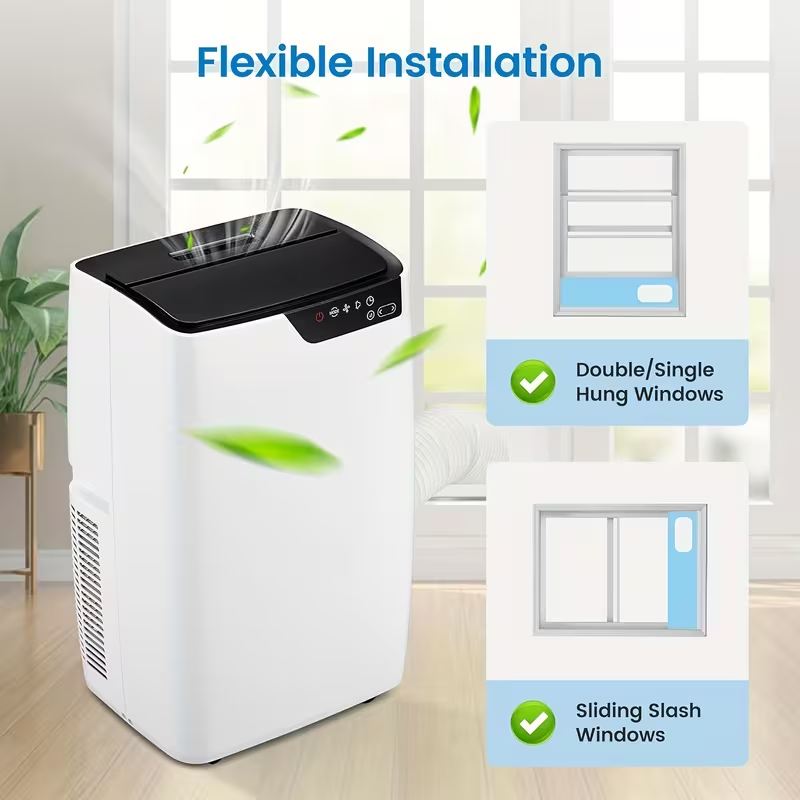
Introduction: Finding Relief in Hot Weather
As the temperatures rise during the summer months and in various humid climates, the discomfort experienced indoors can become increasingly unbearable. Stifling heat often renders many rooms uninhabitable, creating an environment where both productivity and relaxation suffer. Traditional air conditioning systems, while effective, can be costly to install and operate, making them less accessible for everyone.
In such circumstances, portable air conditioners emerge as a favorable alternative, offering immediate and efficient relief from oppressive temperatures. Designed for convenience, these units can be easily moved from one room to another, allowing users to target specific areas that require cooling. Whether you are working from home, entertaining guests, or simply seeking respite in a cool environment, a portable air conditioner can quickly enhance comfort levels.
The ease of set-up and operation associated with these compact cooling devices makes them an attractive option for individuals and families alike. Unlike central air systems, which often require extensive installation, portable air conditioners can be utilized by simply plugging them into an electrical outlet and directing the exhaust hose out of a window. This simplicity allows for immediate cooling relief in spaces that may otherwise become stifling.
Moreover, with rising global temperatures and increasingly severe heatwaves reported in many regions, having an effective cooling option at one’s disposal has become more than just a luxury; it is now considered a necessary measure for health and well-being. Portable air conditioners, therefore, not only address the discomfort associated with high temperatures but also play a crucial role in maintaining a healthy indoor environment.
Portable Air Conditioner with Dehumidifier: Combating Humidity and Heat
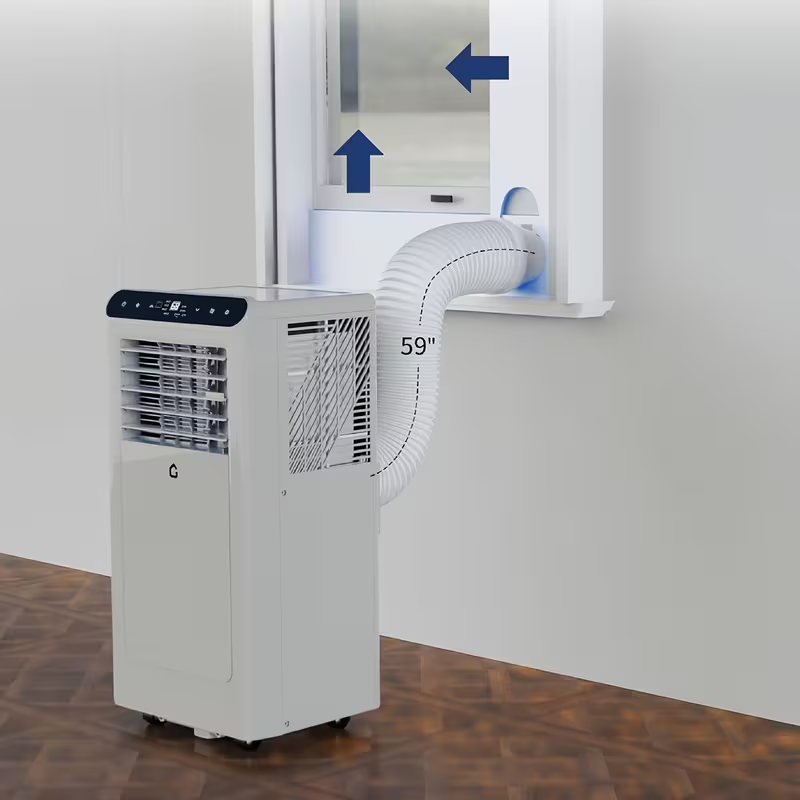
A portable air conditioner equipped with a dehumidifier offers a dual-functionality that can greatly enhance indoor comfort. These units not only cool the air but also help in reducing excess moisture, making them particularly beneficial in environments where humidity levels are high. This combination is essential for creating a more pleasant living space, especially during the warmer months when heat and humidity can become unbearable.
One of the primary advantages of using a portable air conditioner with a dehumidifier is its ability to remove surplus moisture from the air, which can alleviate the discomfort often associated with high humidity. When humidity levels are reduced, the air feels cooler and more refreshing, allowing for a more enjoyable ambient climate. This is particularly advantageous in coastal areas or regions known for muggy weather, where humidity can be a significant discomfort factor.
However, while these units are generally energy-efficient, they do require regular maintenance to keep functioning optimally. Users must frequently check and empty the water reservoir to prevent overflowing and the potential for water damage. Furthermore, regular cleaning of filters is essential to ensure efficient operation and prolong the unit’s lifespan. It is advisable to choose a model with a self-evaporative feature, which can streamline this process by recycling condensate and minimizing the need for manual intervention.
In ideal scenarios, a portable air conditioner with a dehumidifier is best used in spaces where humidity is a persistent issue, such as basements, living rooms, or bedrooms. By effectively managing both temperature and humidity, these units not only enhance comfort levels but can also improve air quality, making them a practical choice for many households. Choosing the right unit can significantly elevate your indoor experience, especially in areas prone to dampness and excessive heat.
Portable Air Conditioner with Fan Mode: Versatility at Its Best
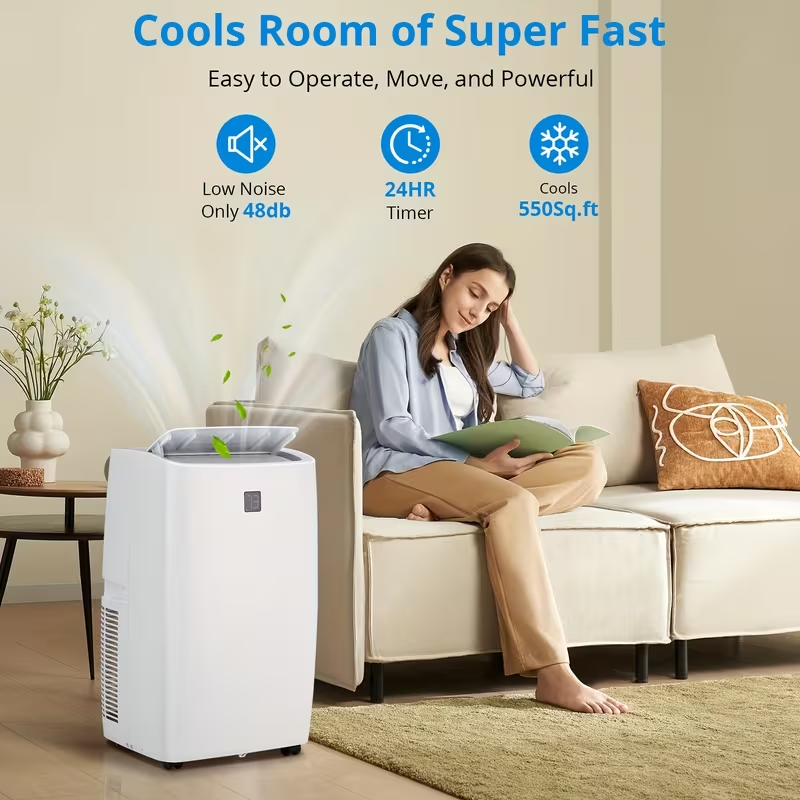
Portable air conditioners have revolutionized indoor climate control, providing relief from the oppressive heat during scorching summer months. Among their various features, one of the most notable is the fan mode, which significantly enhances the versatility of these units. This function allows users to switch between cooling and air circulation, adapting to various comfort needs and environmental conditions.
The fan mode is particularly advantageous in scenarios where cooling is not the primary requirement. For instance, during mild weather, homeowners can utilize this mode to generate a gentle breeze, promoting air circulation without the full force of an air conditioning system. This contributes not only to comfort but also to energy savings, as running the fan mode consumes considerably less power than traditional cooling. Hence, users can enjoy a temperate atmosphere while reducing their energy bills.
Moreover, employing the fan mode can improve air circulation throughout a space, leading to more consistent airflow and preventing the stagnation of indoor air. This is especially beneficial in larger rooms or open-plan areas, where proper air distribution is crucial for overall comfort. Additionally, utilizing the fan option can help increase the efficiency of the cooling process, allowing the air conditioner to work less hard when temperatures are not exceedingly high.
However, it is essential to consider potential downsides. While fan modes offer energy efficiency, they may produce more noise compared to standard cooling operations, and the cooling capacity may be limited. Therefore, users should assess their specific needs and consider factors such as noise tolerance and room size before selecting a portable air conditioner with this dual functionality.
The Window Portable Air Conditioner With High Solutions For Cooling Large Spaces
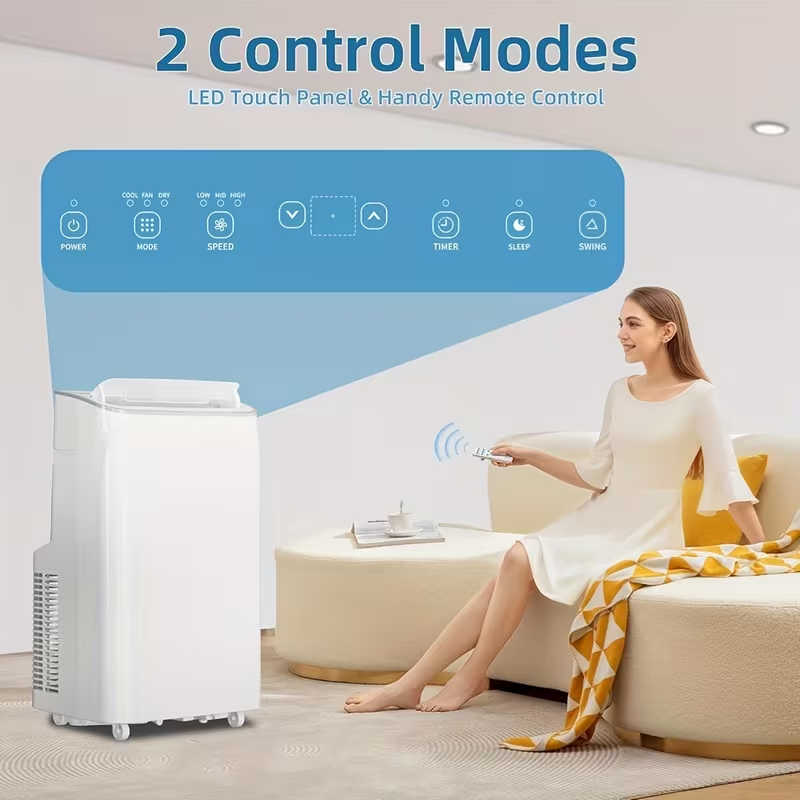
Window portable air conditioners represent a highly efficient solution for cooling larger spaces while maintaining minimal floor area usage. These devices are specifically designed to be installed in a window, thus allowing for convenient access and effective cooling where it is most needed. Their design is such that a majority of the unit sits outside the building while the cooling mechanism occupies the interior, reinforcing both security and space optimization.
One of the key advantages of window portable air conditioners is their capability to cool larger rooms efficiently. Unlike traditional units, these air conditioners can generate substantial cooling power while drawing air from both the outside environment and within the room. This dual-action cooling system ensures a balanced atmosphere and significantly enhances the overall comfort level, especially during peak summer months.
While examining the benefits of window portable air conditioners, it is essential to note their practicality in installation. Typically, installing these units requires minimal tools and effort, making them suitable for individuals who may not have extensive handyman skills. Furthermore, their fixed position means they do not require the continuous adjustments that stand-alone models may need.
However, there are some drawbacks to consider. The fixed position of window units means they are not as portable as their freestanding counterparts, making it difficult to relocate them from room to room. Additionally, proper installation is crucial; if not fitted correctly, air leakage can occur, reducing cooling efficiency. These units are particularly effective in environments where interior space is limited or where single-room cooling is required, such as densely populated apartments or smaller homes.
Overall, window portable air conditioners serve as a practical and efficient cooling solution, particularly in contexts where maximizing usable space is critical and where targeted cooling is essential.
Portable Air Conditioner with Dehumidifier: Creating Ideal Indoor Climates
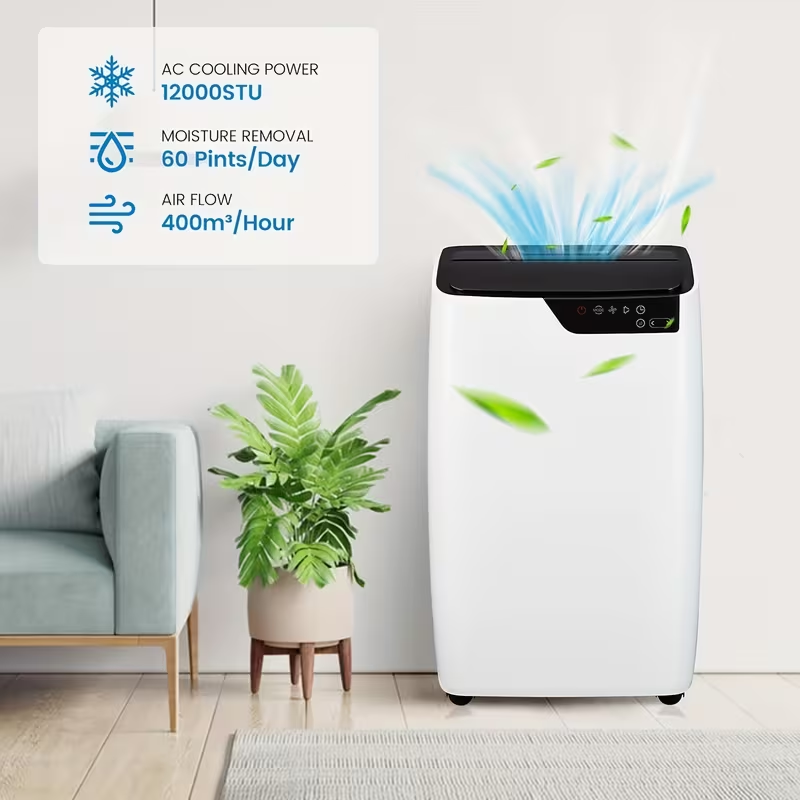
Portable air conditioners equipped with dehumidification features are increasingly popular among consumers seeking to maintain optimal indoor environments. These appliances not only cool the air but also work to remove excess humidity, creating a balanced atmosphere that supports comfort and well-being. The functionality of a portable air conditioner with a dehumidifier is particularly critical in humid climates where moisture levels can lead to discomfort and health issues.
One of the primary benefits of using a portable air conditioner with a built-in dehumidifier is its effectiveness in improving air quality. High humidity levels can foster the growth of mold, dust mites, and other allergens, which can exacerbate respiratory conditions such as asthma or allergies. By reducing humidity, these units contribute to a healthier indoor environment, ultimately enhancing the quality of air that occupants breathe.
Moreover, these systems often result in energy savings compared to traditional cooling solutions. By effectively dehumidifying the air, the cooling process becomes more efficient, allowing for comfortable temperatures at lower energy consumption levels. Users frequently report satisfaction with their portable units, citing lower electricity bills and comfortable indoor climates as significant advantages.
However, it is essential to consider some drawbacks associated with portable air conditioners featuring dehumidifiers. Some users have noted that while these units are effective, they may require more frequent maintenance compared to fixed systems. Regular emptying of the water collection tank can be an added chore for some home and business owners. Additionally, the cooling capacity of portable units may not suffice for larger spaces, which can limit their effectiveness in extensive areas.
In conclusion, the combination of cooling and dehumidifying features in portable air conditioners not only provides comfort but also promotes healthier living conditions. Their energy efficiency and ability to improve air quality make them an excellent choice for those looking to mitigate high humidity levels in their indoor spaces.